

The Lost Salmon
Documentary
Overview
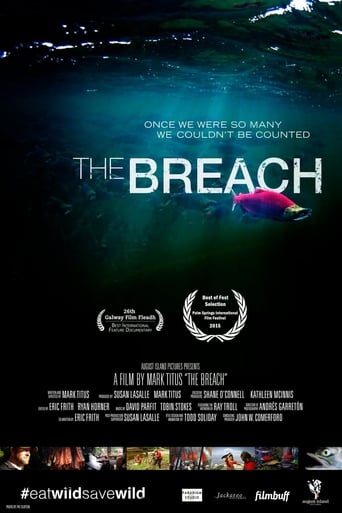
'The Lost Salmon' chronicles the plight and potential recovery of the iconic Spring-run Chinook Salmon of the Pacific Northwest. Faced with extinction in many river systems of the West, a new genetic discovery could aid in their recovery. Once teeming in the millions and a sacrament for the oldest civilizations in the Americas, time is running out for this genetically distinct wild salmon.



No cast information.
Similar Movies

This is the story of a charismatic family of endangered animals and one man’s extraordinary devotion. It unfolds in a distant wilderness, in a land forgotten by time. But change is coming. In less than a year, this magical place, along with those who live here, may be lost forever. Welcome to Quoll Farm.
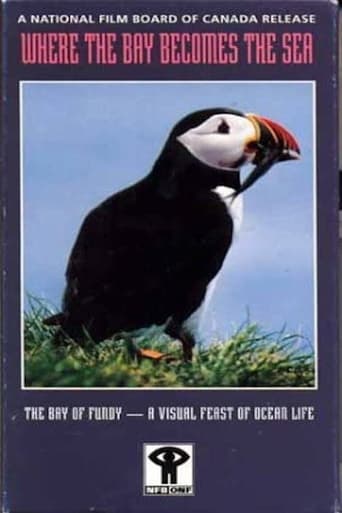
This is a documentary about the fragile and complex marine ecosystem in the Bay of Fundy. The film traces relationships within the food chain - from tiny plankton to birds and seals and finally to whales and humans. The film is a plea for careful management of our ocean resource and was first telecast as part of CBC's Nature of Things series.
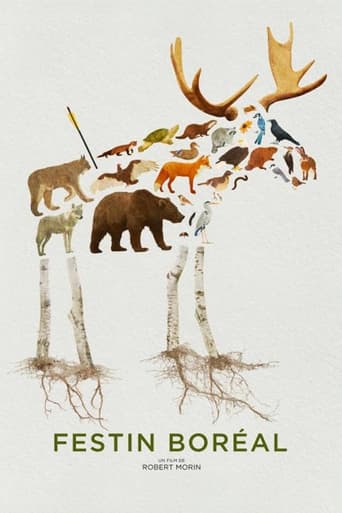
A wounded moose escapes its hunters, later dying deep in the forest and becoming... a communal feast. As the seasons go by, mammals, birds and insects invite themselves to the banquet - multiplying ensuing games, rituals and conflicts. In exploring and occasionally foiling nature's wildlife codes, our story becomes a simple yet poignant reflection on death, on its natural place in this world and, by extension, on its deeper meaning and purpose - important lessons to explore at this time when the glorious paradises offered by religions tend to feel less and less credible.
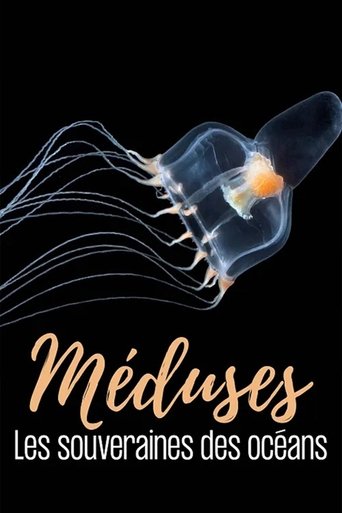
Jellyfish blooms are making headlines around the world. This is due to the damage they cause to tourism, fishing and our health. How can these creatures, which are over 98% water and have no shell, skeleton or brain, expand so rapidly? Although this is a normal stage in the life cycle of these gelatinous animals, we have to admit that blooms have become much more frequent and massive in recent decades. We're even witnessing jellyfish populations appearing in more and more regions where fish have been replaced by them, such as off the coast of Namibia, in the Black Sea, in the Sea of Japan and in certain areas of the Baltic Sea. What causes this? Why has the role of jellyfish in the ocean been underestimated, even though they outlived the dinosaurs? Are jellyfish on their way to dominating the oceans as they once did? What if they were to be the only ones left?
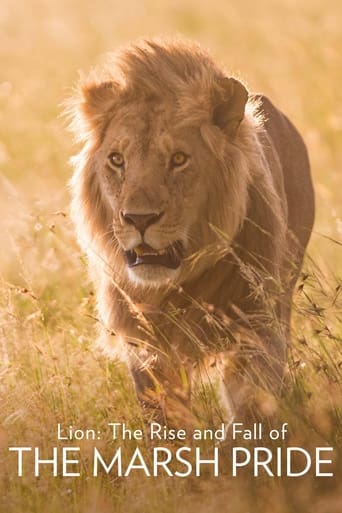
Documented in television documentaries for over 40 years by the BBC and other broadcasters around the world, the Marsh Pride is the most filmed pride of lions on Earth. In this film, the Marsh Pride battle for survival in Kenya's famous Maasai Mara Reserve, which has become a magnet for tourists, many of them keen to see the pride for themselves. A tale of shifting loyalties, bloody takeovers and sheer resilience, the lions’ story is told by those who filmed them, tried to protect them and lived alongside them, as well as some who ultimately wanted them dead.
It's death on an unimaginable scale, when a majority of Earth's species quickly die out. It's called "mass extinction," and it's happened at least five times before. Cataclysms, such as supervolcanoes or asteroids, are thought to cause these events, but some experts believe a manmade mass extinction could be next. Is our planet in trouble? And if so, is there anything we can do to stop the next catastrophic annihilation? Experts are traveling the world, performing groundbreaking scientific detective work to answer these very questions.
Long a target for poachers, the rhino has been hunted for their horns across Africa. In The Last Horns of Africa, debut documentary feature director Garth De Bruno Austin follows those who are putting their lives on the line to protect the animal, from a hidden rhino orphanage to the Kruger National Park. With unparalleled access the filmmakers have created a compelling documentary that explores conservation, the illegal wildlife trade, and rhino poachers.