

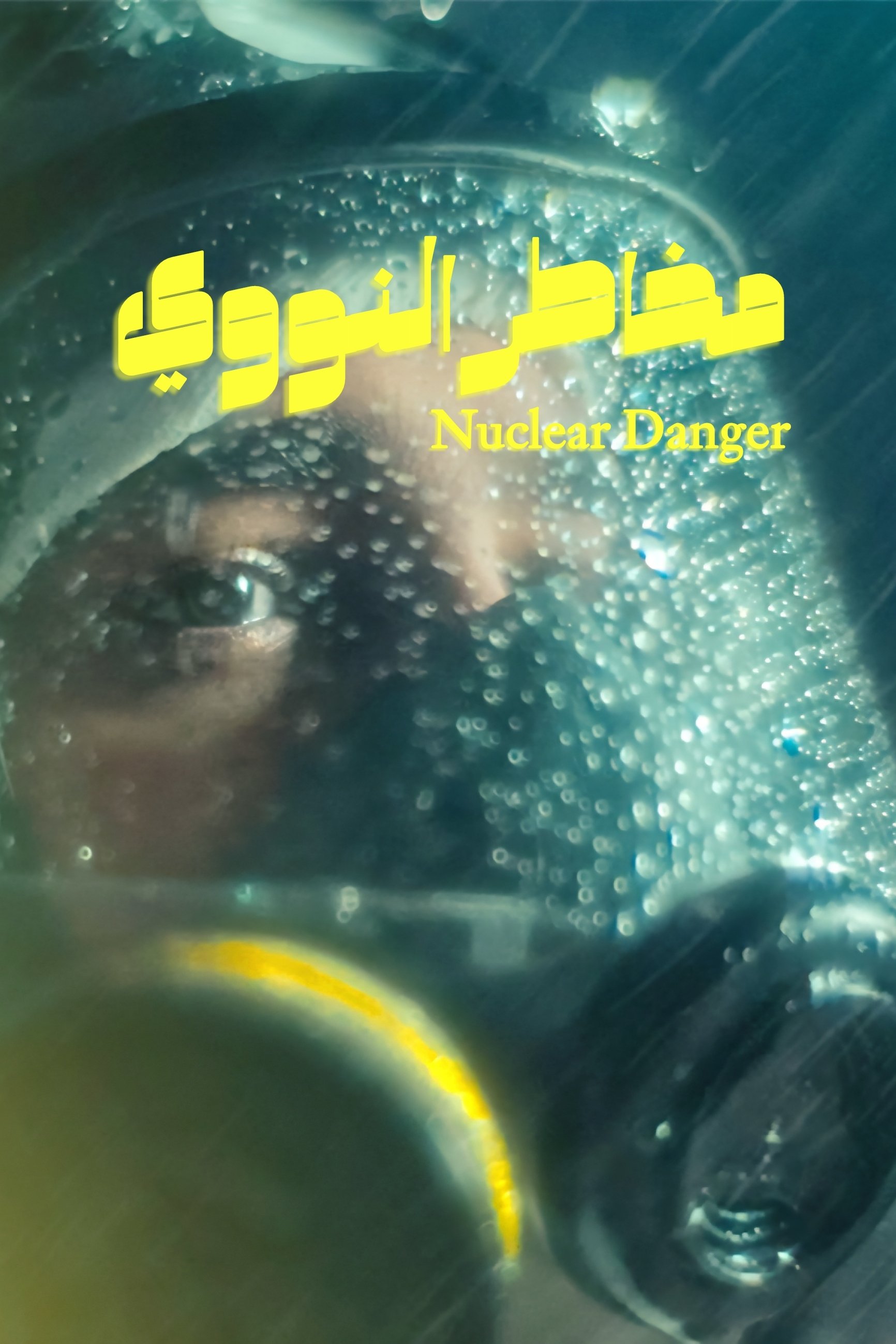
Nuclear Danger
Documentary




Mohammed mex19
Mohammed mex19
Self
Mohammed mex19
Self

Ziad Sanshiro
Ziad Sanshiro
Self
Ziad Sanshiro
Self
Mohammed mex19
Mohammed mex19
the narrator
Mohammed mex19
the narrator
Ziad Sanshiro
Ziad Sanshiro
..
Ziad Sanshiro
..
Similar Movies
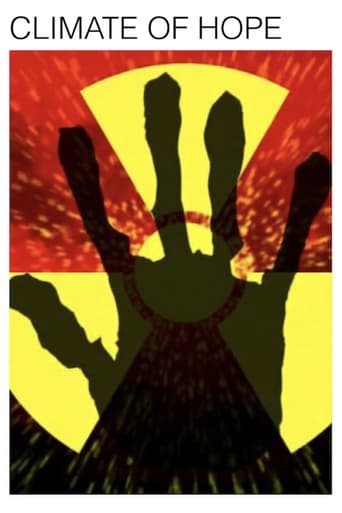
Documentary created to demystify climate change and nuclear energy. While the threat of climate change is now widely accepted in the community, the potential for a host of nuclear power stations in Australia has raised questions about the best strategy for the country to move to a low-carbon economy. This animated documentary takes viewers on a tour through the science of climate change and the nuclear fuel chain and the remarkable energy revolution that is under way.

Dmytro Komarov's documentary project The Year. Kharkiv Region. Dmytro Komarov will show Kharkiv in the first months of the full-scale invasion of Ukraine by Russian troops. Viewers will hear the stories of people who found themselves in the epicentre of the brutal attacks: at the air defence base destroyed by a Russian missile, in the residential area of the city - Northern Saltivka - which was ravaged by shelling. The journalist will talk to those who played a key role in the liberation of the Kharkiv region. One of these people is Roman Hryshchuk, the commander of the 127th separate territorial defence brigade of Ukraine. He told us how the military practice of the past - using decoys in the form of dummies - helped to identify and destroy the occupiers. How did the full-scale war begin for Kharkiv? What plans did the enemy have for Kharkiv? What united people and gave them hope in the most difficult times? Find out in the documentary project "Year. Kharkiv Region".
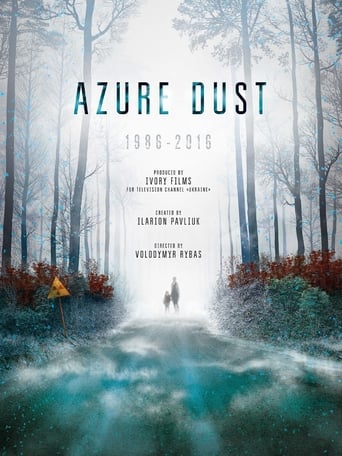
The story about Chornobyl area, all around the world we know of the disaster in 1986. The film may be called a guide to the Exclusion Zone. Thanks to the unique footage from the place of the tragedy, that the crew succeeded to capture, the viewers will have a chance for a full immersion into the atmosphere of the events and, along with the heroes of the film, feel the dreadful and amazing air that reigns where one of the major anthropogenic disasters took place.
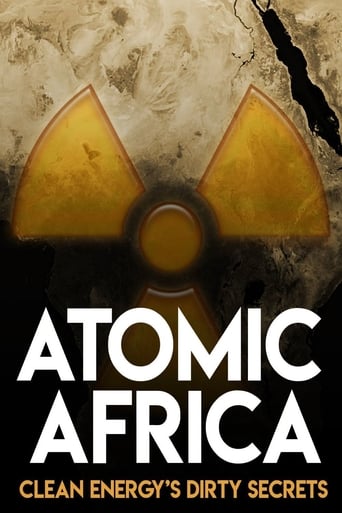
Africa's development is being held back by poor infrastructure and undersized power plants. Countries like Uganda can only produce only 1/4 of the energy needed, leading to daily power cuts with disastrous economic impacts. It's a golden opportunity for nuclear giants who lobby aggressively for more power plants in Africa. But how safe are these new reactors? And what do they mean for the locals?
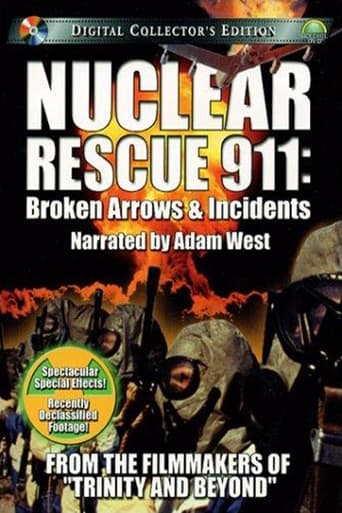
Since 1950, there have been 32 nuclear weapon accidents, known as "Broken Arrows." A Broken Arrow is defined as an unexpected event involving nuclear weapons that result in the accidental launching, firing, detonating, theft or loss of the weapon. To date, six nuclear weapons have been lost and never recovered.Now, recently declassified documents reveal the history and secrecy surrounding the events known as "Broken Arrows". There have been 32 nuclear weapon accidents since 1950. Six of these nuclear weapons have been lost and never recovered. What does this say about our defense system? What does this mean to our threatened environment? What do we do to rectify these monumental "mistakes"? Using spectacular special effects, newly uncovered and recently declassified footage, filmmaker Peter Kuran explores the accidents, incidents and exercises in the secret world of nuclear weapons.
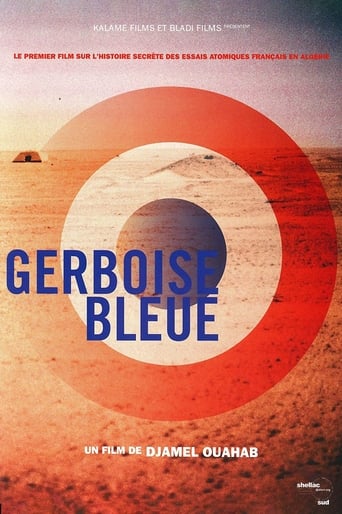
"Gerboise bleue", the first French atomic test carried out on February 13, 1960 in the Algerian Sahara, is the starting point of France's nuclear power. These are powerful radioactive aerial shots carried out in areas belonging to the French army. Underground tests will follow, even after the independence of Algeria. From 1960 to 1978, 30,000 people were exposed in the Sahara. The French army was recognized recognized nine irradiations. No complaint against the army or the Atomic Energy Commission has resulted. Three requests for a commission of inquiry were rejected by the National Defense Commission. For the first time, the last survivors bear witness to their fight for the recognition of their illnesses, and revealed to themselves in what conditions the shootings took place. The director goes to the zero point of "Gerboise Bleue", forbidden access for 47 years by the Algerian authorities

"Historically accurate, narratively captivating, The New American Century is one of the best films about the facts behind the 9/11 attacks". Webster G. Tarpley "The New American Century is a stunning film. It should be seen as widely as possible, in cinemas, bars, clubs, at meetings and, of course, through the internet. I'm sure the film will continue to be a source of debate and political education for many years." Ken Loach. Massimo Mazzucco’s Inganno Globale (soon in English as "Global Deceit") presented all the major inconsistencies in the 9/11 official version, i.e. World Trade Center’s demolition, no Boeing at the Pentagon, etc., that lent credibility to the accusation by the so-called "9/11 Truth Movement" of the attacks having been an inside job. The New American Century presents the historical, philosophical, economical and political background, some of which is practically unknown to the general public, that seems to support such accusation by the 9/11 Truth Movement.
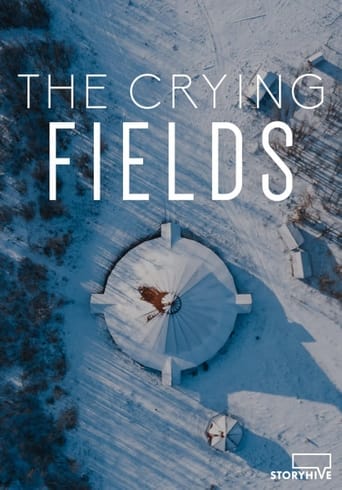
A deep dive into the history of the Canadian Government and the Department of National Defence leasing First Nations reserves as practice bombing ranges during World War I and World War II. This documentary follows the Enoch Cree Nation's process of developing it's land claim against the Canadian Government following the discovery of active landmines in the heart of the nation's cultural lands and golf course in 2014, almost 70 years later.
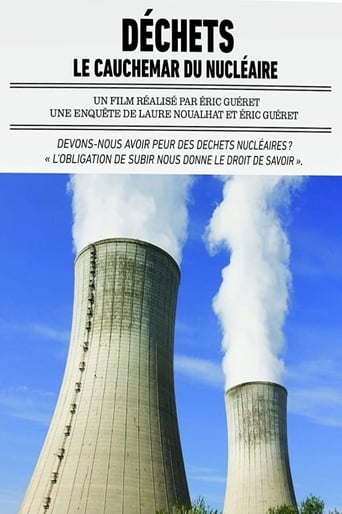
The documentary presents the results of research on nuclear waste management in the U.S., Russia, Germany and France. The authors Eric Noualhat Guéret and Laure were accompanied by the independent French laboratory technicians radiation control, CRIIRAD. They have detected and measured radiation in many places like the U.S. Columbia River or the French plutonium factory called reprocessing plant at La Hague.