

Tiger on the Rocks
Documentary · History
Overview
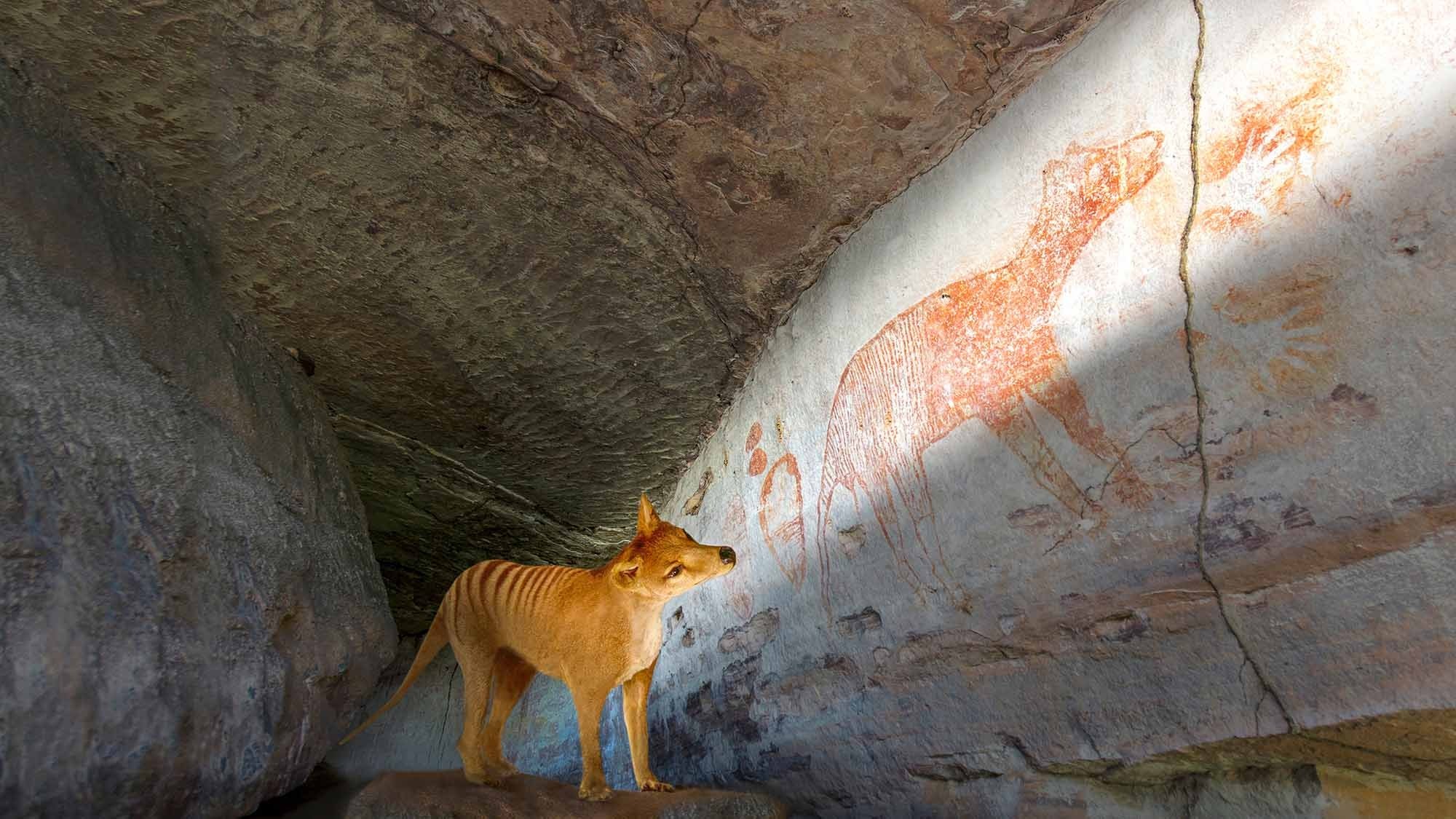
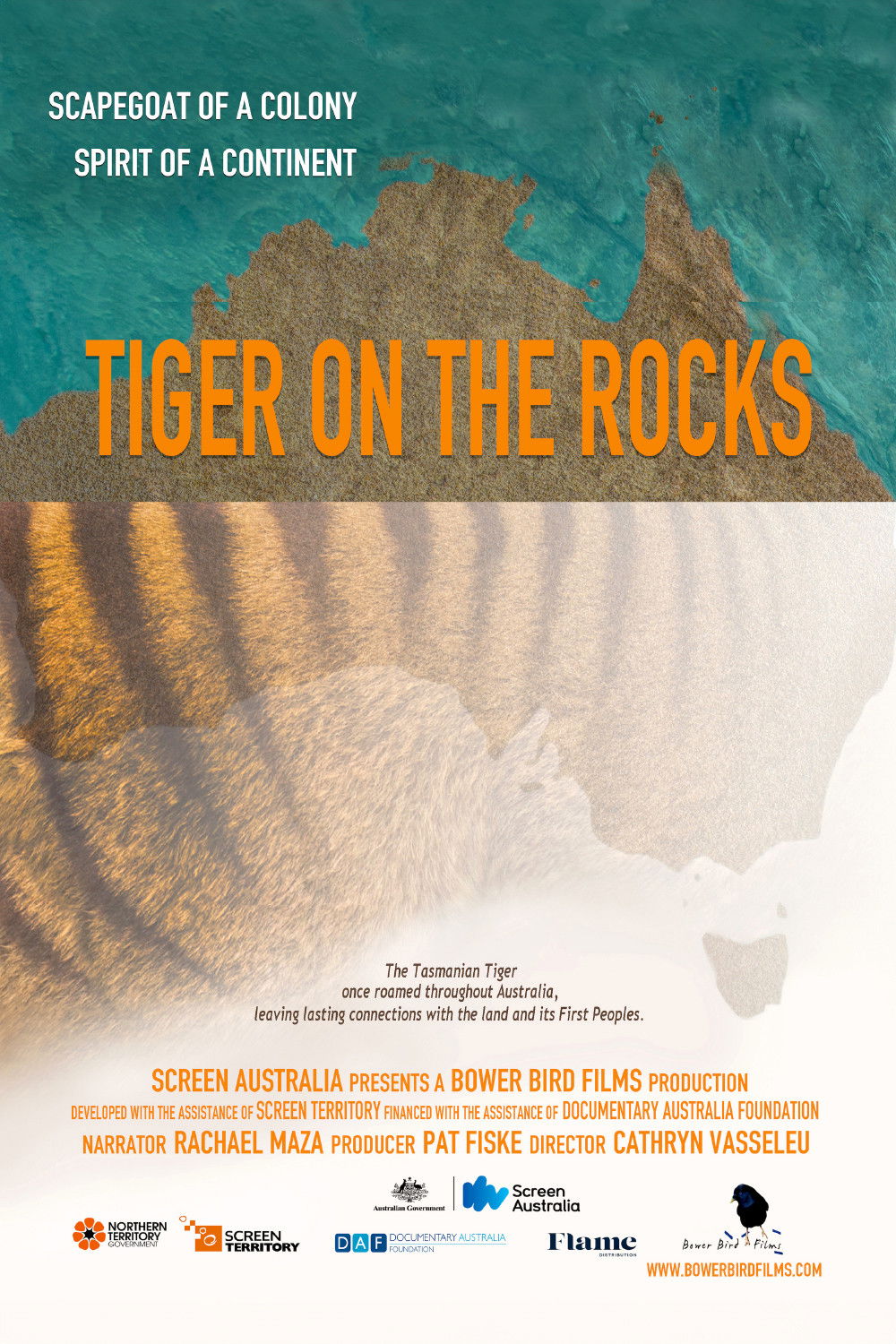
The Tasmanian Tiger twists and turns depending on how it's seen. Sheep-killing beast or tragic victim of human induced extinction. Ancient painting on a rock or vivid ancestor spirit. Lost forever, or a timely reminder to respect the connection between human and animal, culture, nature and country. In stunning landscapes across Australia where Thylacines once roamed, people from wide-ranging traditions share their experiences: First Nations artists, rangers and custodians; biologists, bone hunters and archaeologists. Multiple insights combine to throw light on Australia's most wanted animal.





Rachael Maza Long
Rachael Maza Long
Self - Narrator (voice)
Rachael Maza Long
Self - Narrator (voice)
Similar Movies
During the 2020 pandemic summer, El Colegio de la Desextinción infiltrated into the holidays of four Divine Caste’s descendants. This elite built its wealth on slavery in the sisal plantations of Yucatán, Mexico, at the end of the 19th and beginning of the 20th century. Every year these families move to their opulent summer houses at Chicxulub Puerto, built at the same place where the asteroid that killed the dinosaurs hit. In these apocalyptic beaches, seducers of asteroids and conquistadors, we proposed the young heirs to write and star in a film about Chicxulub’s crater, in which they staged their entrepreneur fantasies.This documentary is the result of the political unconsciousness of this peninsular ethnic group.
A vivid journey into the mysterious subterranean world of mycelium and its fruit— the mushroom. A story that begins 3.5 billion years ago, fungi makes the soil that supports life, connecting vast systems of roots from plants and trees all over the planet, like an underground Internet. Through the eyes of renowned mycologist Paul Stamets, professor of forest ecology Suzanne Simard, best selling author Michael Pollan, food naturalist Eugenia Bone and others, we experience the power, beauty and complexity of the fungi kingdom.
For decades, animal rights activist and filmmaker Karl Ammann has been documenting the illegal wildlife trade. In the company of director Laurin Merz, this investigative journey takes us to Namibia, where 22 elephants are captured and then airlifted in a cargo plane to zoos in the United Arab Emirates.
Love them or hate them, there are 33,000 urban foxes roaming Britain's suburbia. For the residents of the Copse in Sutton-in-Ashfield, Nottinghamshire - as for so many other suburbanites - the urban fox provides evenings of enchantment. A cul-de-sac of neighbours compete to offer the tastiest snacks for their bushy-tailed visitors, with one couple even setting up their own CCTV system to provide happy evenings of Fox TV.
Jellyfish blooms are making headlines around the world. This is due to the damage they cause to tourism, fishing and our health. How can these creatures, which are over 98% water and have no shell, skeleton or brain, expand so rapidly? Although this is a normal stage in the life cycle of these gelatinous animals, we have to admit that blooms have become much more frequent and massive in recent decades. We're even witnessing jellyfish populations appearing in more and more regions where fish have been replaced by them, such as off the coast of Namibia, in the Black Sea, in the Sea of Japan and in certain areas of the Baltic Sea. What causes this? Why has the role of jellyfish in the ocean been underestimated, even though they outlived the dinosaurs? Are jellyfish on their way to dominating the oceans as they once did? What if they were to be the only ones left?
Through the eyes and voice of biologist Janine Benyus, the non-fiction feature “Biocentrics” takes the viewer through different corners of the planet to reveal the birth and the principles that guide biomimicry, a methodology of innovation inspired by nature. As a hub connecting ancestral knowledge, diverse cultures, natural technologies and initiatives that choose the continuity of life as their premise, the charismatic activist proposes a common agenda, a new posture and a tool, which is the vanguard of contemporary science, to face the global challenges that lie ahead and putting life back at the center of decision-making.
With more than 300 days a year, the sun dominates this country so much that it’s even shining from their flag. It’s a barren land, sometimes it’s like it’s from another planet but still familiar. It is land of contrasts and colours with wide landscapes and fascinating deserts. Influenced by various cultures during colonization and now reborn from the shadows of Apartheid in 1990, Namibia gives a beautiful collage of culture, language, art, music and food. Everyone who loves an adventure should travel to Namibia, the precious corner of our world full of incredible natural wonders. The experience of endless landscapes and an unparalleled blaze of colour make Namibia unforgettable. NAMIBIA – THE SPIRIT OF WILDERNESS invites you on a trip whose fascination will never let you go: From the Namib Desert over the breath-taking Fish River Canyon to the spectacular Etosha National Park where you will see wild elephants, antelopes, giraffes, zebras and lions.