

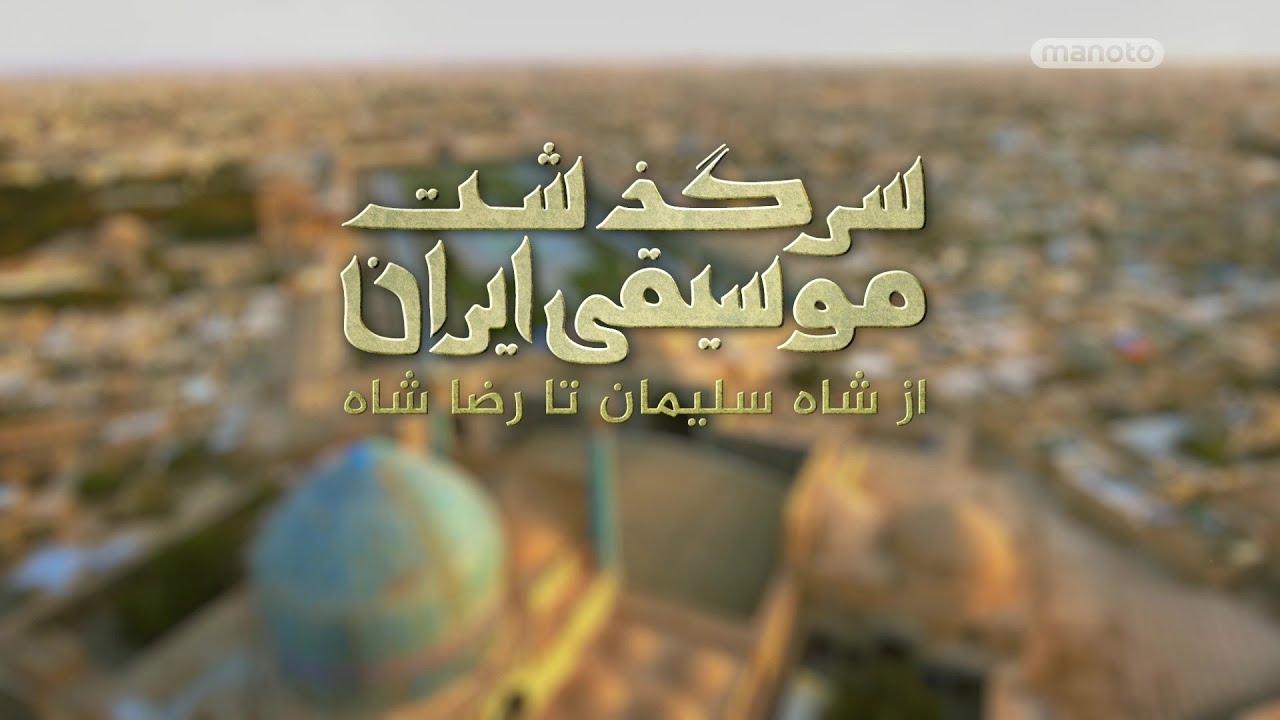

History of Persian Music: From Suleiman Shah To Reza Shah
Documentary
Overview
Second Episode: About the changes and developments in the music of this land from the end of the Safavid era to the end of the Second World War. From the courts of different kings to holding the first concerts in Iran, from the introduction of the sound recording phenomenon to Iran, to the influence of the western world on Iranian music and the establishment of a music conservatory. In this episode, we also see the role of music and its artists in the struggle for social change.
Top Cast






Tina Ghazimorad
Tina Ghazimorad
Narrator
Tina Ghazimorad
Narrator
Jean During
Jean During
Self
Jean During
Self
AmirHossein PourJavadi
AmirHossein PourJavadi
Self
AmirHossein PourJavadi
Self
Mehdi Farahani
Mehdi Farahani
Self
Mehdi Farahani
Self
Seyfollah Shokri
Seyfollah Shokri
Self
Seyfollah Shokri
Self
Seyed Reza Hosseini
Seyed Reza Hosseini
Self
Seyed Reza Hosseini
Self
Sepehr Haddad
Sepehr Haddad
Self
Sepehr Haddad
Self
Keyvan Saket
Keyvan Saket
Self
Keyvan Saket
Self
Similar Movies
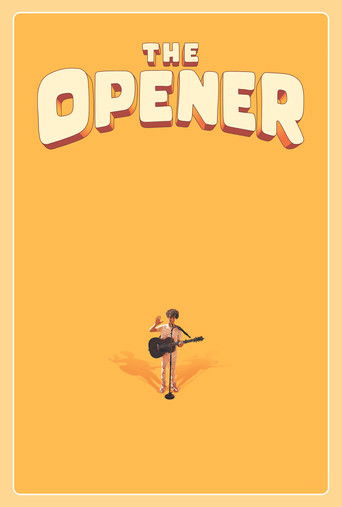
THE OPENER is a feel-good, underdog music doc about a street performer who wrote 30 songs in 30 days to process his grief and isolation during the pandemic, and found that his music spoke to millions. When it reached the ears of one of his heroes, Grammy-winner Jason Mraz, he was invited on his very first tour and given a chance to prove himself on the big stage.
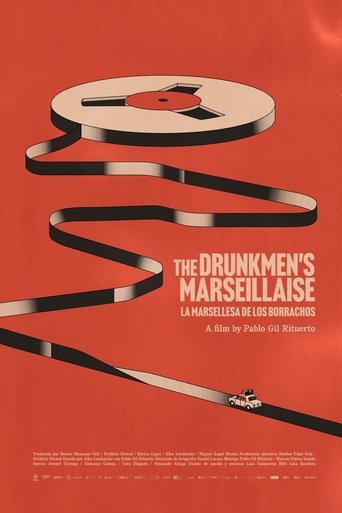
In the summer of 1961, a group of young Italian anthropologists made a clandestine journey through Spain, in order to record popular songs that supported anti-Franco resistance. As a result of their work, they were prosecuted and their recordings were censored. Sixty years later, and guided by Emilio Jona, aged 92, the last living member of that group of travellers, we recover the unpublished recordings and reconstruct the journey, today, across an emotional and political landscape, regaining historical memories through these songs, as relevant today as they were then.
Forty four years ago, it seemed like a good idea to build a squat, concrete motel in downtown Columbia, Missouri. But within a few years, guests were calling for a do-over. Now, with the downtrodden building’s fate sealed, the Rabid Hands artist collective arrives on the scene as hospice workers, assisting in the passing of the building’s soul. What ensues is a New Orleans-style voodoo celebration of a previously unsung piece of architecture.
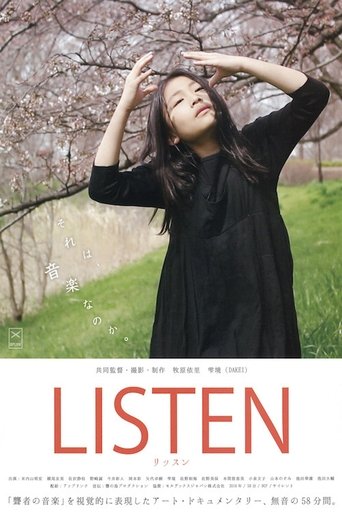
Documentary without audio produced by deaf people. Music is depicted visually with the complete absence of musical instruments or voices. Directed by Makihara Eri and choreographer Dakei. With a diverse lineup including ordinary deaf people with zero acting experience and a choreographer who performs in Japan and abroad, this film pulls out all the tops to give visual expression to music through the physical body. An aging man uses multiple sign language poems to convey the four seasons, and a girl expresses the wind amidst the rustling trees.