

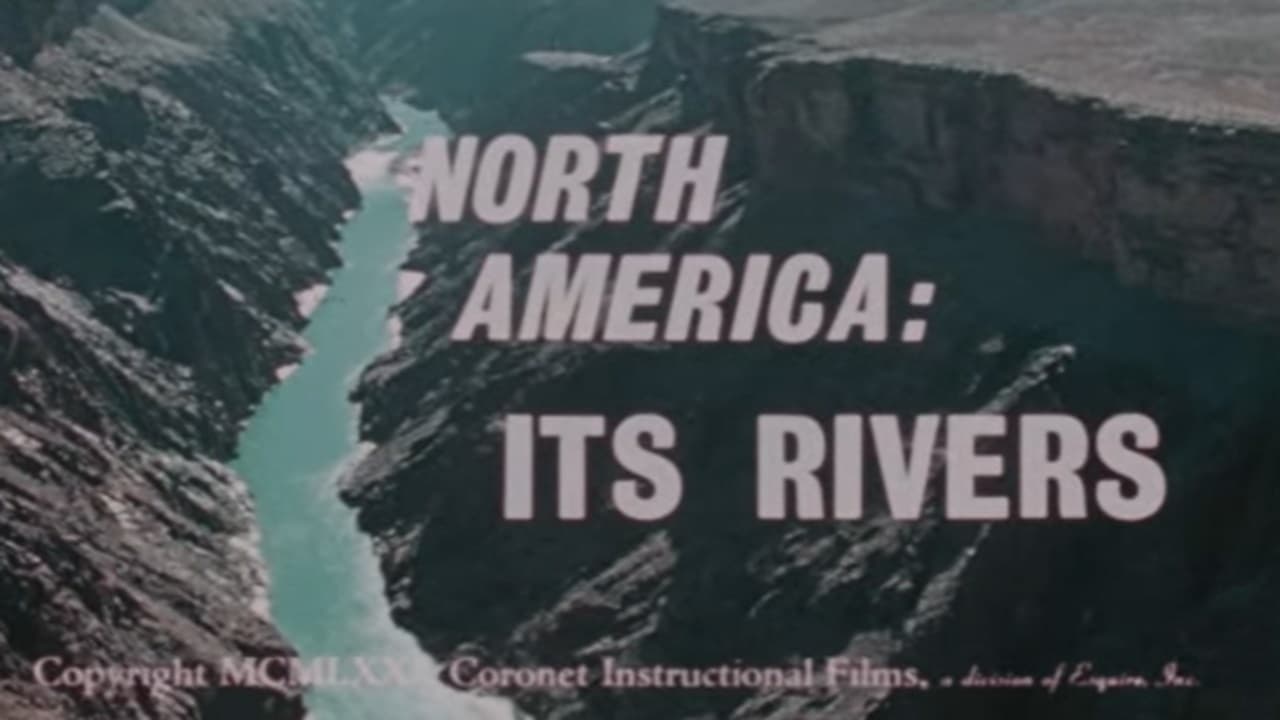
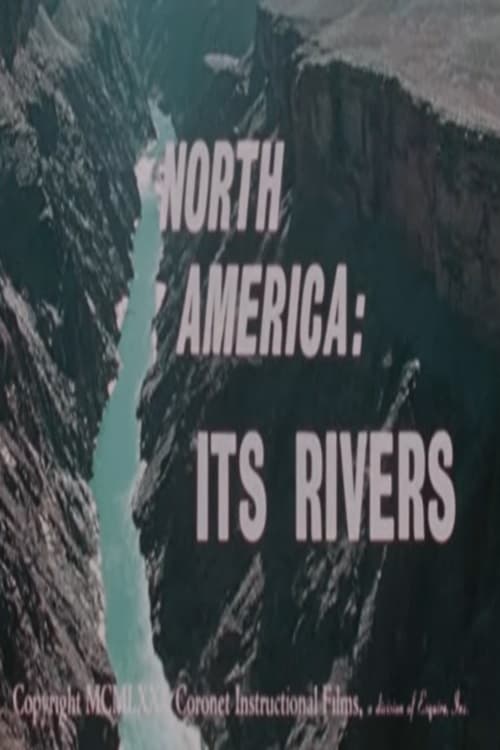
North America: Its Rivers
Documentary
Overview
Explores the distinctive features of the major rivers of the continent, and discusses their contributions to the farming, recreation, transportation and hydroelectric power of North America.

No cast information.
Similar Movies
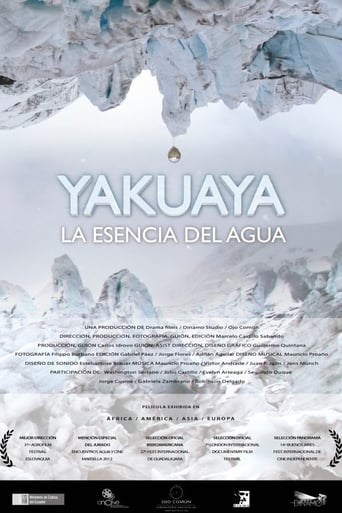
Yaku: water; aya: essence, blood. Yakuaya is a non-verbal documentary about the descent of water and life that follows the journey of a drop of water from its birth on a glacier until its arrival at the sea. Along the way, water influences the life of a peasant, locks himself in the rhythm of a bottling factory, brings people together in the city, transforms the life of a woman, leads a river navigator, awakens hope in a desert and welcomes the innocence of two children in the sea.
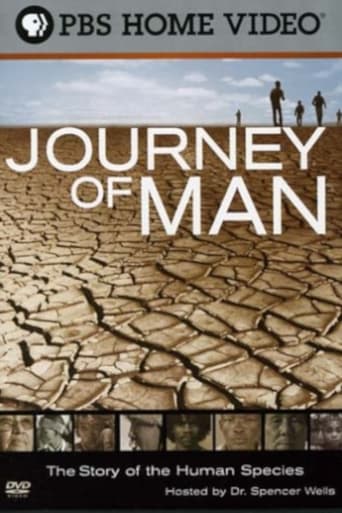
Many geneticists and archaeologists have long surmised that human life began in Africa. Dr. Spencer Wells, one of a group of scientists studying the origin of human life, offers evidence and theories to support such a thesis in this PBS special. He claims that Africa was populated by only a few thousand people that some deserted their homeland in a conquest that has resulted in global domination.
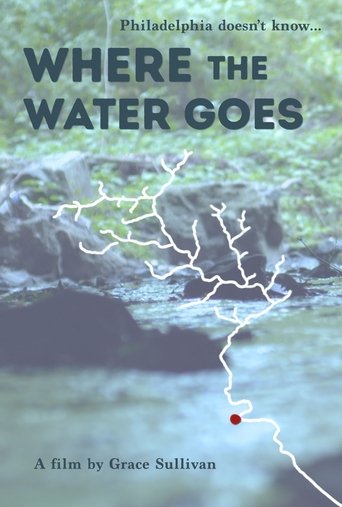
In Tacony Creek Park, home to one of Philadelphia's lesser-known watersheds, Julie Slavet and Malcolm Bundy reflect on their involvement with and love for the park, made bittersweet by the continuous and increasing amount of pollution that flows into its river. Combined wastewater and stormwater sewage outfalls have affected Philadelphia's rivers for years, but as one innovative program mitigates this for the Schuylkill and Delaware, Tacony gets left behind. Scientist Laura Toran educates the audience on green infrastructure and its potential positive impacts, while Slavet and Bundy discuss how they're still waiting—not without hope—for those impacts to reach their community.
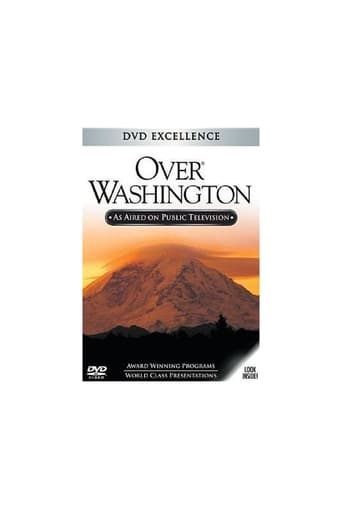
Take to the sky and come face-to-face with Washington states majestic mountains, including one of the Pacific Northwests most well-known symbols: Mount Rainier. Celebrate the diversity of the states landscapes in Over Washington, from the glittering Puget Sound in the west to the rolling Palouse in the east. Stunning aerial cinematography and original music bring these spectacular images to life.
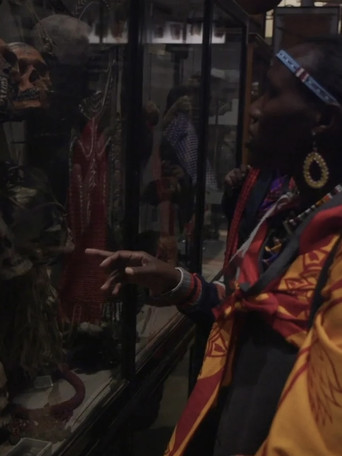
Decolonising the Curatorial Process is a forty-minute documentary which explores decolonial strategies in an academic and curatorial context. The film features academics, activists and practitioners, and contains case studies of institutions that are deploying critical, self-reflective forms of curatorial practice. The Museum of London Docklands exhibition on slavery and the sugar industry is examined as an example of how an institution can decolonise the curatorial process, utilise the work of artists in a museum context, and critically examine East London's imperial history. The Pitt Rivers museum in Oxford, who are working with Maasai activists from Kenya and Tanzania on a project centred on repatriating the museum's collection of sacred Maasai artefacts, also features in the film.