

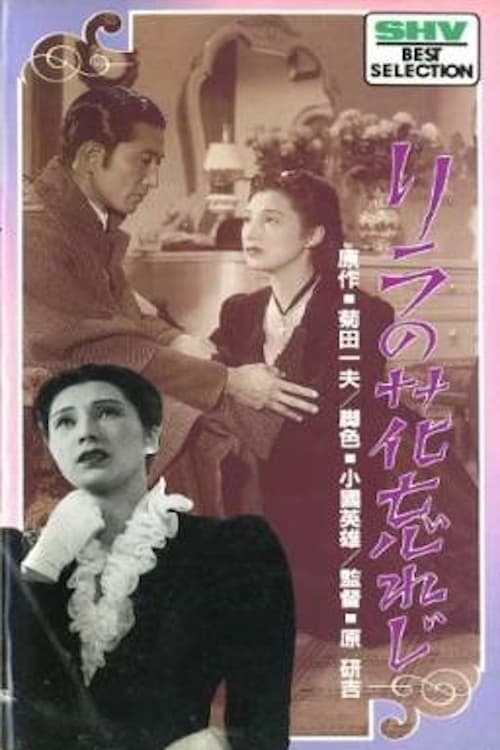
Rira no hana wasureji
Overview
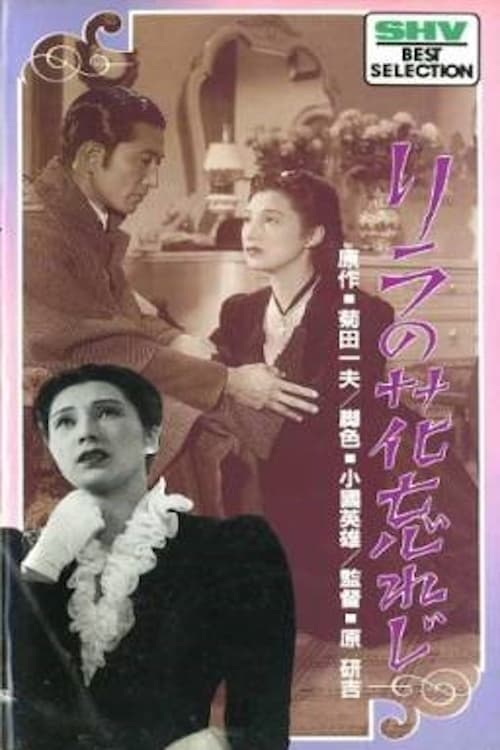
In the 30th year, Nirasaki Den'emon established the Nirasaki Hokkaido Development Company with investment from Sonoi to build railway facilities. However, the endeavor faced criticism for attempting to buy Ainu land at low prices. Tokyo Nippo reporter Toshimasa Matsuzaka, who was actually Nirasaki's son, wants to expose the flawed practices of the company.


Mieko Takamine
Mieko Takamine
Mieko Takamine
Toshinobu Saburi
Toshinobu Saburi
Toshinobu Saburi
Susumu Fujita
Susumu Fujita
Susumu Fujita
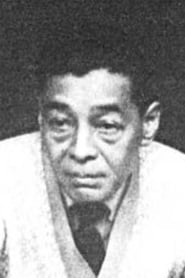
Masao Inoue
Masao Inoue
Masao Inoue
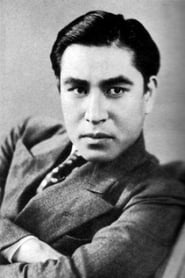
Shin Saburi
Shin Saburi
Shin Saburi
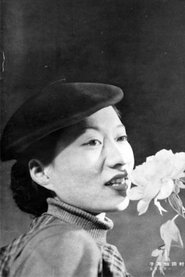
Chieko Murata
Chieko Murata
Chieko Murata
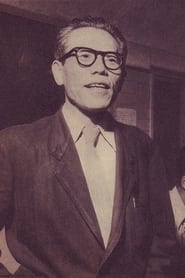
Eijirō Tōno
Eijirō Tōno
Eijirō Tōno
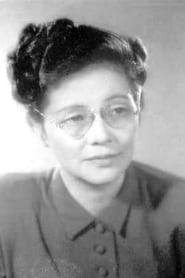
Fumiko Okamura
Fumiko Okamura
Fumiko Okamura
Toshio Hosokawa
Toshio Hosokawa
Toshio Hosokawa

Kuniko Igawa
Kuniko Igawa
Kuniko Igawa
Similar Movies
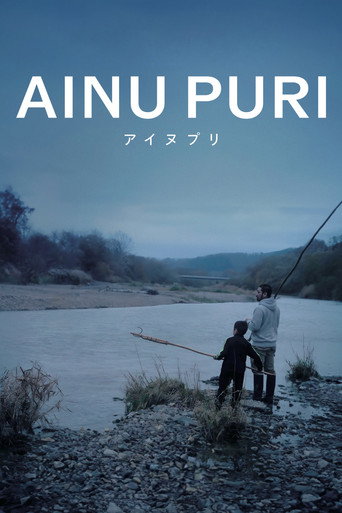
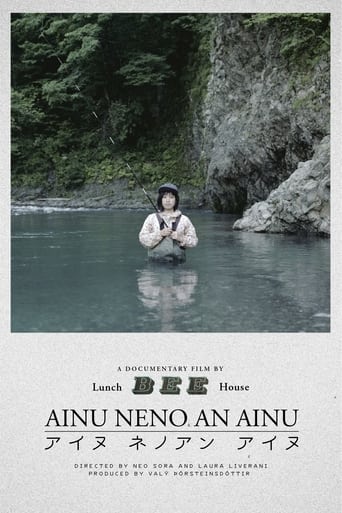
This documentary started as part of a photography project about the indigenous Ainu population in northern Japan, portraying people from tightly knit communities. They feel deeply connected by their culture and tradition. With gorgeous pictures, the directors explore how different generations of Ainu reflect on their identity after centuries of oppression.
TOKYO Ainu features the Ainu, an indigenous people of Japan, living in Greater Tokyo (Tokyo and its surrounding areas), who are and actively in promoting their traditional culture in a metropolitan environment away from their traditional homeland, Hokkaido. Shedding a common assumption that all Ainu live in Hokkaido, the film captures the feelings, thoughts and aspirations of Ainu people that who try to follow the Ainu way no matter where they live.
In 1986, for the first time in 75 years, the "Chironnup Kamuy Iomante (the sending off of the spirit of the fox)" was held at Bihoro Pass, in Hokkaido. According to the Ainu's traditional beliefs, animals are "gods" called "Kamuy" who live in the "land of gods" ("Kamuimosiri"), but sometimes they come to the "land of humans" ("Ainumosiri"), to offer their meat and furs as gifts. The Ainu take care of them, and they eventually hold an "Iomante (spirit sending)". In this ceremony, people offer prayers, sing songs, and dance, and send the animal back to the "land of the gods" with food and souvenirs.