

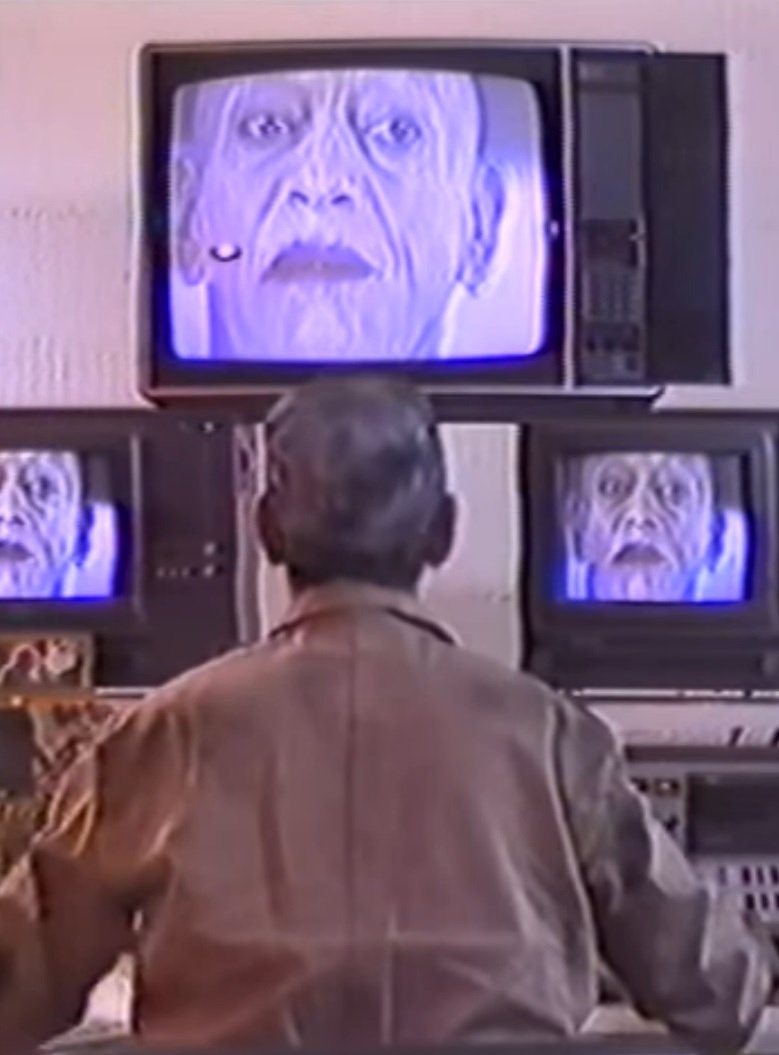
Good Bye G.O.D.
Music · Science Fiction
Overview
"Good-bye G.O.D." was a play written specially for Jack Birkett, 'The INCREDIBLE ORLANDO', to be performed with its author, composer Carlos Miranda. Conceived as a future-fantasy Music Hall operetta, "Good-bye G.O.D." tells the story of General Orson Davis, (known as G.O.D.), one of the heads of the Confederated Armies of the Northern Hemisphere, who have concocted a mass destruction of the world. Sheltered in a bunker in the North Pole, he and his henchmen have saved a chosen team of scientists impelled to work on the vessel that will enable them to eventually evacuate the planet. But he has a secret passion which he will indulge once he encounters Adam, one of his scientists.
Top Cast





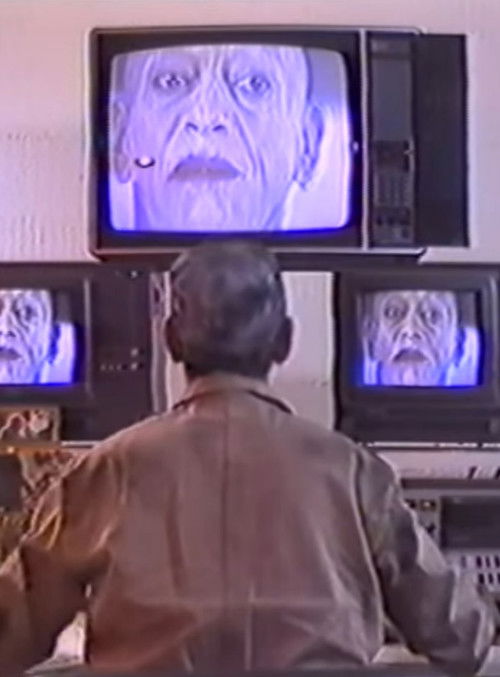
Jack Birkett
Jack Birkett
G.O.D.
Jack Birkett
G.O.D.
Carlos Miranda
Carlos Miranda
Adam
Carlos Miranda
Adam
Similar Movies
Under the impetus of the 75th anniversary of the bamboo top-handle bags, the House presents a contemporary retelling of an ancient Japanese story entitled ‘Taketori Monogatari (The Tale of the Bamboo Cutter).’ Makoto Nagahisa stages the plot of finding oneself, along with true love, in a Tokyo betwixt and between reality and a dream. Dressed in looks from the Gucci Love Parade collection, Hikari Mitsushima, Aoi Yamada, and Eita Nagayama star in the story shedding a new light on the Gucci Bamboo 1947 and Gucci Diana Beloved lines.
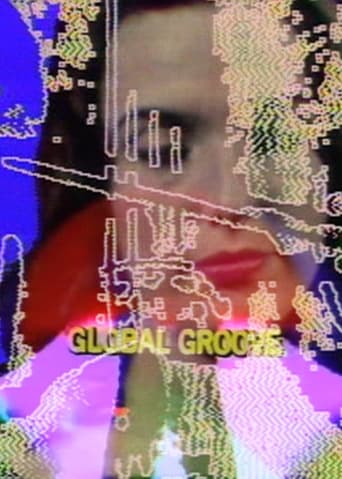
Global Groove was a collaborative piece by Nam June Paik and John Godfrey. Paik, amongst other artists who shared the same vision in the 1960s, saw the potential in the television beyond it being a one-sided medium to present programs and commercials. Instead, he saw it more as a place to facilitate a free flow of information exchange. He wanted to strip away the limitations from copyright system and network restrictions and bring in a new TV culture where information could be accessed inexpensively and conveniently. The full length of the piece ran 28 minutes and was first broadcasted in January 30, 1974 on WNET.
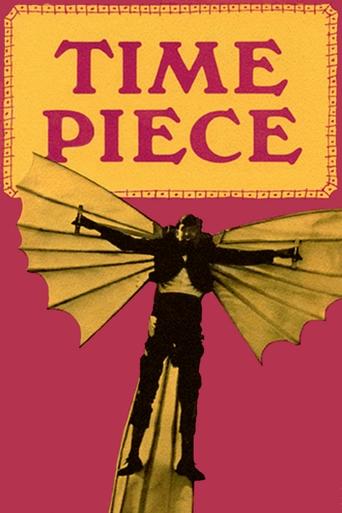
Dislocation in time, time signatures, time as a philosophical concept, and slavery to time are some of the themes touched upon in this 9-minute experimental film, which was written, directed, and produced by Jim Henson. Screened for the first time at the Museum of Modern Art in May of 1965, "Time Piece" enjoyed an eighteen-month run at one Manhattan movie theater and was nominated for an Academy Award for Outstanding Short Subject.
The conventions of documentary, musical theater, and magical realism are combined and subverted to address issues of personal, national, and artistic identity through the eyes of a composer desperate to pull off one final backer’s audition whilst hounded by a disdainful documentarian named Charon.