

Taking Back Our Beach
Documentary
Overview
This is a film about the response by a community to New Zealand’s largest environmental disaster, seen through the eyes of that community. The film captures the shock, anger and grief driven into the heart of the local community, but also the humour, purpose and overwhelming positivity when people join together with a common goal.




No cast information.
Similar Movies

The sinking of the RMS Titanic remains one of the most enduring and mysterious tragedies of the 20th century. For decades, investigators and amateurs alike have floated theories for why it occurred and who was to blame for the extraordinary loss of life, but no one answer could fully explain what happened. Until now. To mark the 100th anniversary of the infamous disaster, Smithsonian Channel will premiere Titanic's Final Mystery. The two-hour special investigates a century of theories and uncovers astonishing new forensic evidence that proves the most likely theory for the case.
A bold reveal of a rose tattoo opens this 1980 documentary on tattooing in New Zealand. The potted history includes visits to tattoo parlours on K' Road and Hastings, and the studios of industry legends Steve Johnson and Roger Ingerton. Tattooists discuss public stigma, people's reasons for getting inked, and popular designs: sailors, serpents, swallows and tā moko. Made for documentary slot Contact, Skin Pics chronicles a time when "folk art has become high art".
This Traveltalk series short visit to New Zealand starts in Auckland, a bustling, modern city. Next is Christchurch, home of Canterbury University, where rowing teams participate in a regatta. Nearby is Lake Wakatipu, which inspires artists to put their impressions on canvas. We then visit Rotorua, a city famous for its geysers, hot springs, bubbling mud pools, and other geothermal activity. At Ferry Springs there is lots of trout for fishing. Later, a group of natives performs a canoe dance.
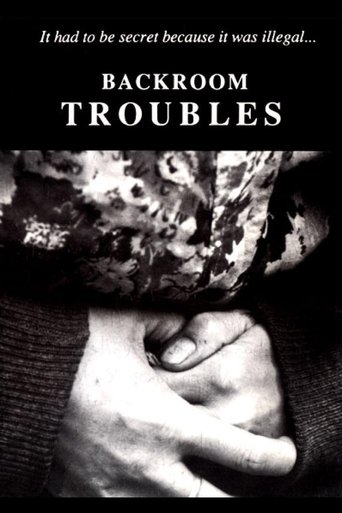
Women talk about the circumstances that drove them to seek illegal abortions and the often traumatic result. Interwoven with historical photographs and newsreel footage, the stories expose how the reality of women's lives were counterposed to what was socially and morally expected of them.