

This Is Where We Take Our Stand
Documentary
Overview
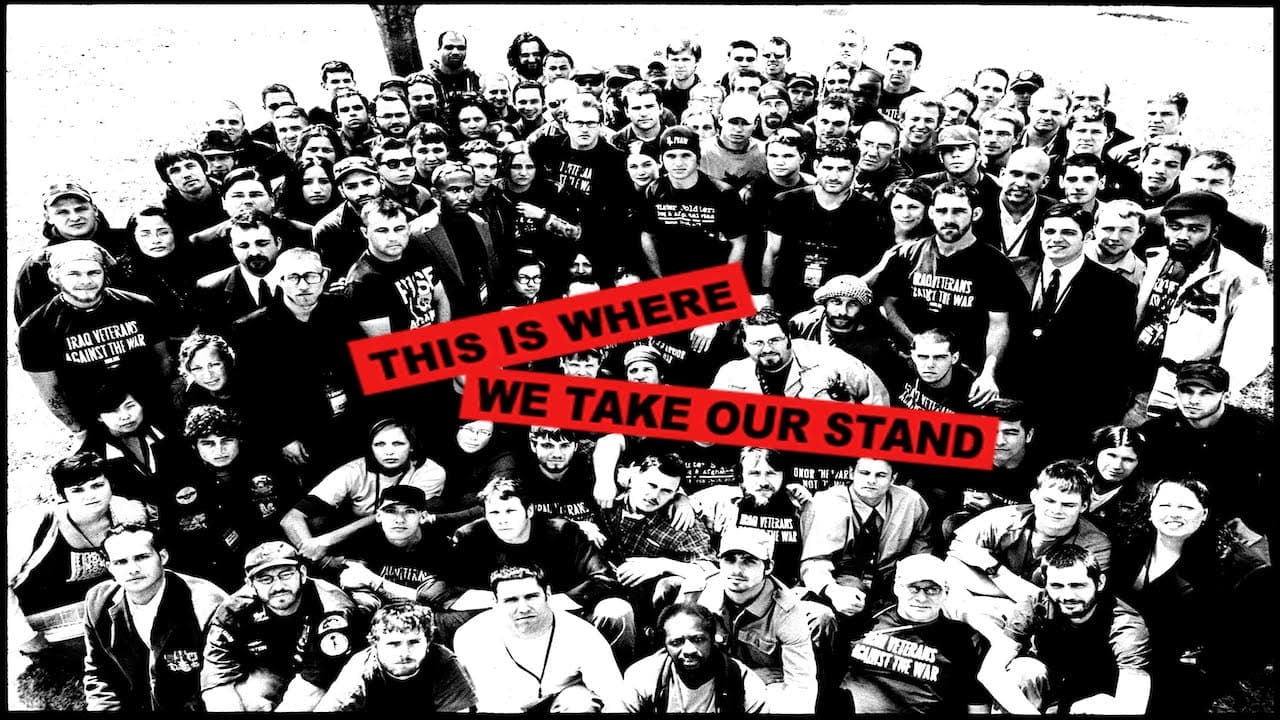
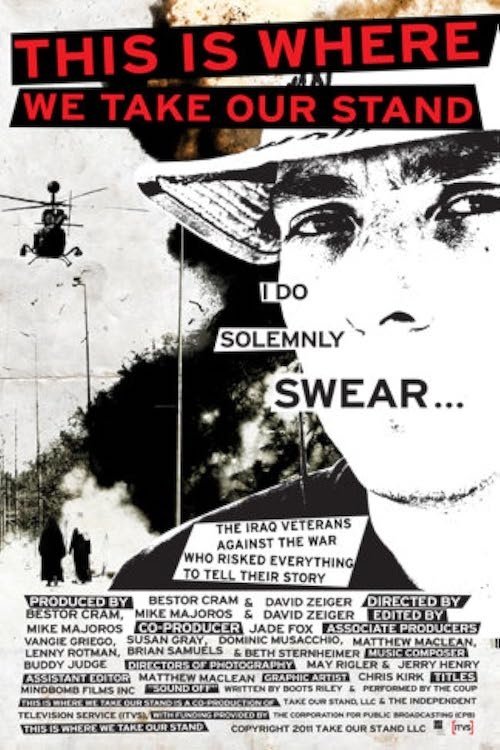
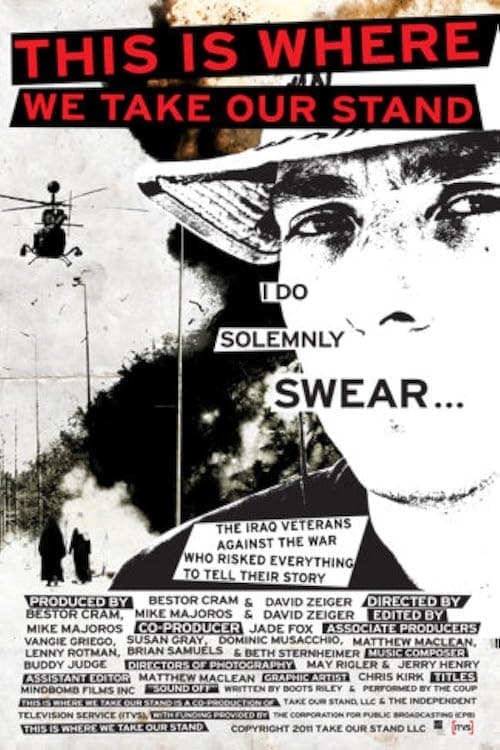
In March of 2008, 250 veterans and active duty soldiers marked the fifth anniversary of the invasion of Iraq by gathering in Washington, DC to testify from their own experience about the nature of the occupations of Afghanistan and Iraq. Inspired by the 1971 Winter Soldier Investigation held by the Vietnam Veterans Against the War, they too sought to express their opposition to those wars with their first-hand accounts, bearing witness with voices not generally heard. Our documentary is a portrait of three participants. If follows their lives for 6 weeks leading to the even and afterward; an active duty female soldier, a 9 year National Guard Veteran, and a 3 tour former Marine. This is their story.
Top Cast






Selena Coppa
Selena Coppa
Self
Selena Coppa
Self
Jesse Hamilton
Jesse Hamilton
Self
Jesse Hamilton
Self
Clifton Hicks
Clifton Hicks
Self
Clifton Hicks
Self
Steve Mortillo
Steve Mortillo
Self
Steve Mortillo
Self
Zollie Goodman
Zollie Goodman
Self
Zollie Goodman
Self
Jon Turner
Jon Turner
Self
Jon Turner
Self
Joyce Lucey
Joyce Lucey
Self
Joyce Lucey
Self
Kevin Lucey
Kevin Lucey
Self
Kevin Lucey
Self
Geoffrey Millard
Geoffrey Millard
Self
Geoffrey Millard
Self
Jason Washburn
Jason Washburn
Self
Jason Washburn
Self
Similar Movies

An American story. Traces the career of Joe Louis (1914-1981) within the context of American racial consciousness: his difficulty getting big fights early in his career, the pride of African-Americans in his prowess, the shift of White sentiment toward Louis as Hitler came to power, Louis's patriotism during World War II, and the hounding of Louis by the IRS for the following 15 years. In his last years, he's a casino greeter, a drug user, and the occasional object of scorn for young Turks like Muhammad Ali. Appreciative comment comes from boxing scholars, Louis's son Joe Jr., friends, and icons like Maya Angelou, Dick Gregory, and Bill Cosby.

Inner peace and self-fulfillment are possible for each of us. Two modern day monks set off on an international journey to film a diverse range of people making the choice for a better life through meditation. Stunning cinematography combined with the power of people sharing from a place of profound peace delivers a palpable and moving experience. Available to rent or buy in 11 languages - English, Spanish, Portugese, Norwegian, Mandarin, French, German, Finnish, Italian, Dutch, and Swedish. https://vimeo.com
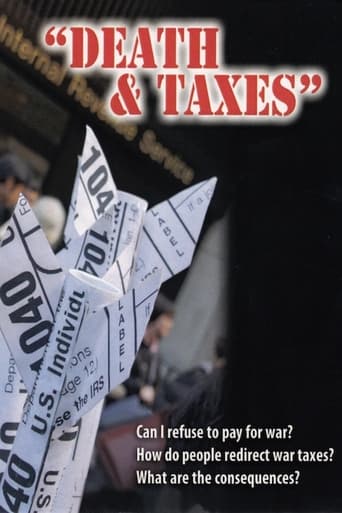
Twenty-eight people offer their motivations for and methods of resisting the war machine with their tax money. This tightly-paced short film introduces viewers to war tax refusal and redirecting tax dollars to peace, with music by Sharon Jones and the Dap-Kings, Antibalas, Rude Mechanical Orchestra, and First Strike Theatre’s version of “Don’t Pay Taxes” by Charlie King.
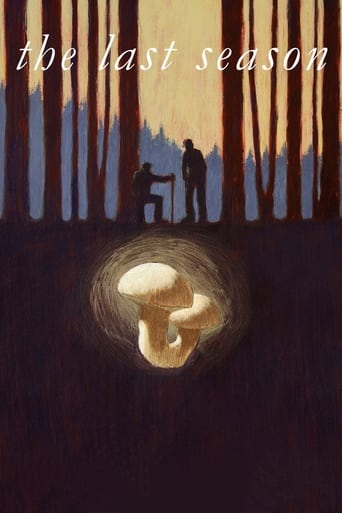
In search of the lucrative matsutake mushroom, two former soldiers discover the means to gradually heal their wounds of war. Roger, a self-described 'fall-down drunk' and sniper in Vietnam, and Kouy, a Cambodian refugee who fought the Khmer Rouge, bonded in the bustling tent-city known as Mushroom Camp, which pops up each autumn in the Oregon woods. Their friendship became an adoptive family; according to a Cambodian custom, if you lose your family like Kouy, you must rebuilt it anew. Now, however, this new family could be lost. Roger's health is declining and trauma flashbacks rack his mind; Kouy gently aids his family before the snow falls and the hunting season ends, signaling his time to leave.
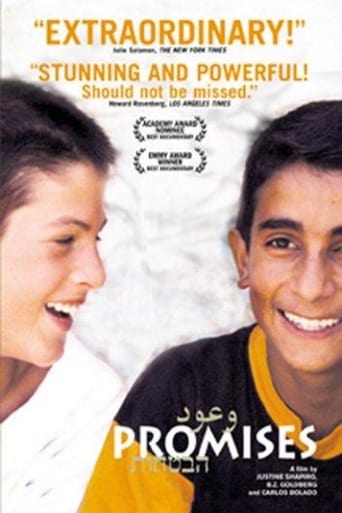
Documentarians Justine Shapiro and B.Z. Goldberg traveled to Israel to interview Palestinian and Israeli kids ages 11 to 13, assembling their views on living in a society afflicted with violence, separatism and religious and political extremism. This 2002 Oscar nominee for Best Feature Documentary culminates in an astonishing day in which two Israeli children meet Palestinian youngsters at a refugee camp.
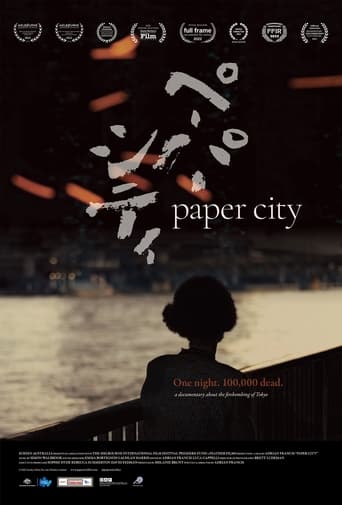
Just after midnight on 10 March 1945, the US launched an air-based attack on eastern Tokyo; continuing until morning, the raid left more than 100,000 people dead and a quarter of the city eradicated. Unlike their loved ones, Hiroshi Hoshino, Michiko Kiyooka and Minoru Tsukiyama managed to emerge from the bombings. Now in their twilight years, they wish for nothing more than recognition and reparations for those who, like them, had been indelibly harmed by the war – but the Japanese government and even their fellow citizens seem disinclined to acknowledge the past.