


Actor
Documentary
Overview
"Actor" is China's first documentary film to explore the virtues and skills of actors. The film takes the "Twenty-Two Big Movie Stars of New China" as the starting point. It will explore the film experience and artistic achievements of the older generation of artists, explore their insights and thinking about the profession of actors for more than half a century, and pay tribute to the century-old Chinese film with the classic film images they created.







Yu Lan
Yu Lan
self
Yu Lan
self

Wang Xiaotang
Wang Xiaotang
self
Wang Xiaotang
self

Tian Hua
Tian Hua
self
Tian Hua
self

Niu Ben
Niu Ben
self
Niu Ben
self

Zhu Xijuan
Zhu Xijuan
self
Zhu Xijuan
self

Xie Fang
Xie Fang
self
Xie Fang
self

Qin Yi
Qin Yi
self
Qin Yi
self

Jin Di
Jin Di
self
Jin Di
self

Yang Yu
Yang Yu
self
Yang Yu
self
Similar Movies

As Hong Kong's foremost filmmaker, Johnnie To himself becomes the protagonist of this painstaking documentary exploring him and his Boundless world of film. A film student from Beijing and avid Johnnie To fan, Ferris Lin boldly approached To with a proposal to document the master director for his graduation thesis. To agreed immediately and Lin's camera closely followed him for over two years, capturing the man behind the movies and the myths. The result is Boundless, a candid profile of one of Hong Kong's greatest directors and a heartfelt love letter to Hong Kong cinema.
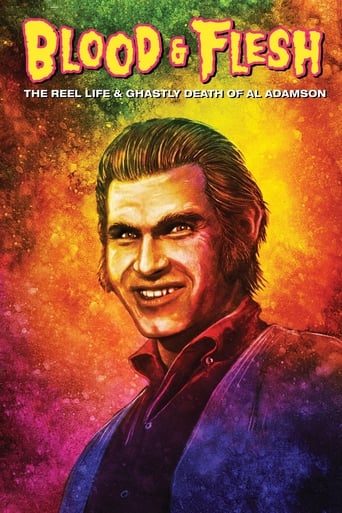
Brought to life through archival material and the reflections of over 40 colleagues, friends and fans, BLOOD & FLESH is much more than the story of a moviemaking life most unusual. It beautifully captures the worlds of outsider filmmaker communities that existed in California in the ’70s, and the weird ways they intersected with Hollywood mainstream and union indies. On Adamson shoots, regular Orson Welles crew and cinematographers like Gary Graver, Vilmos Szigmond and Lazlo Kovaks worked alongside Bud Cardos — and at one point, Charles Manson! Director David Gregory (founder of Severin Films, director of LOST SOUL: THE DOOMED JOURNEY OF RICHARD STANLEY’S ISLAND OF DR. MOREAU) spent years making this film, speaking to everyone down to the cops who investigated Adamson’s murder, vividly encapsulating both a bold life and tragic demise, with alien conspiracies, go-go dancers and Colonel Sanders coming in along the way. If you’ve got even a passing interest in cinema, you want to see this
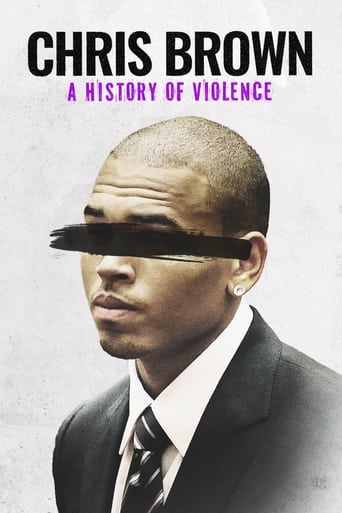
A biographical documentary that delves into the controversial personal life of iconic singer Chris Brown, charting his journey from a troubled childhood to global superstardom. It explores his violent public record, including allegations of domestic violence, assault charges and sexual misconduct, while questioning how a man with such a turbulent history maintains his celebrity status. With expert and cultural commentary layered throughout, the film offers thoughtful reflections on the cycle of abuse and its lasting psychological impact, shedding light on the experiences of survivors and the aftermath of their trauma.
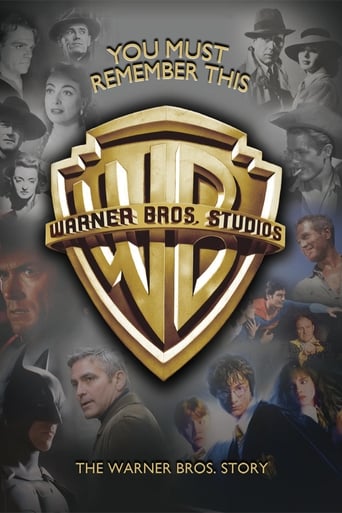
Jack L. Warner, Harry Warner, Albert Warner and Sam Warner were siblings who were born in Poland and emigrated to Canada near the turn of the century. In 1903, the brothers entered the budding motion picture business. In time, the Warner Brothers moved into film production and would open their own studio in 1923.
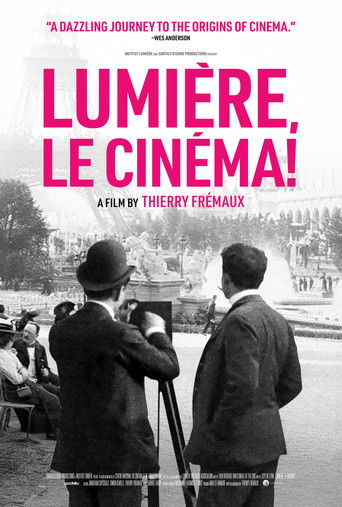
In one of those wonderful coincidences of history, lumière, the French word for “light,” was also the last name of brothers Auguste and Louis, whose brilliant invention, the cinematograph, helped to inaugurate the most beloved art form of the last 130 years. Institute Lumière director Thierry Frémaux uses Lumière, Le Cinema! to guide the viewer through over a hundred shorts—some famous, some forgotten, some never before seen—directed by Lumière and company. In the process, Frémaux illuminates how the brothers employed the camera as a creative instrument as they (and their operators) mastered framing, staging, and subject selection for quotidian and exotic microdocumentaries as well as the first ever fictional motion pictures. The result is not only a glorious re(telling) of the genesis of cinema but a profound meditation on the beautiful world captured—and the mysterious world imagined—by the Lumières.