

Sylt - Wellen, Wind und Watt
Documentary · TV Movie
Overview
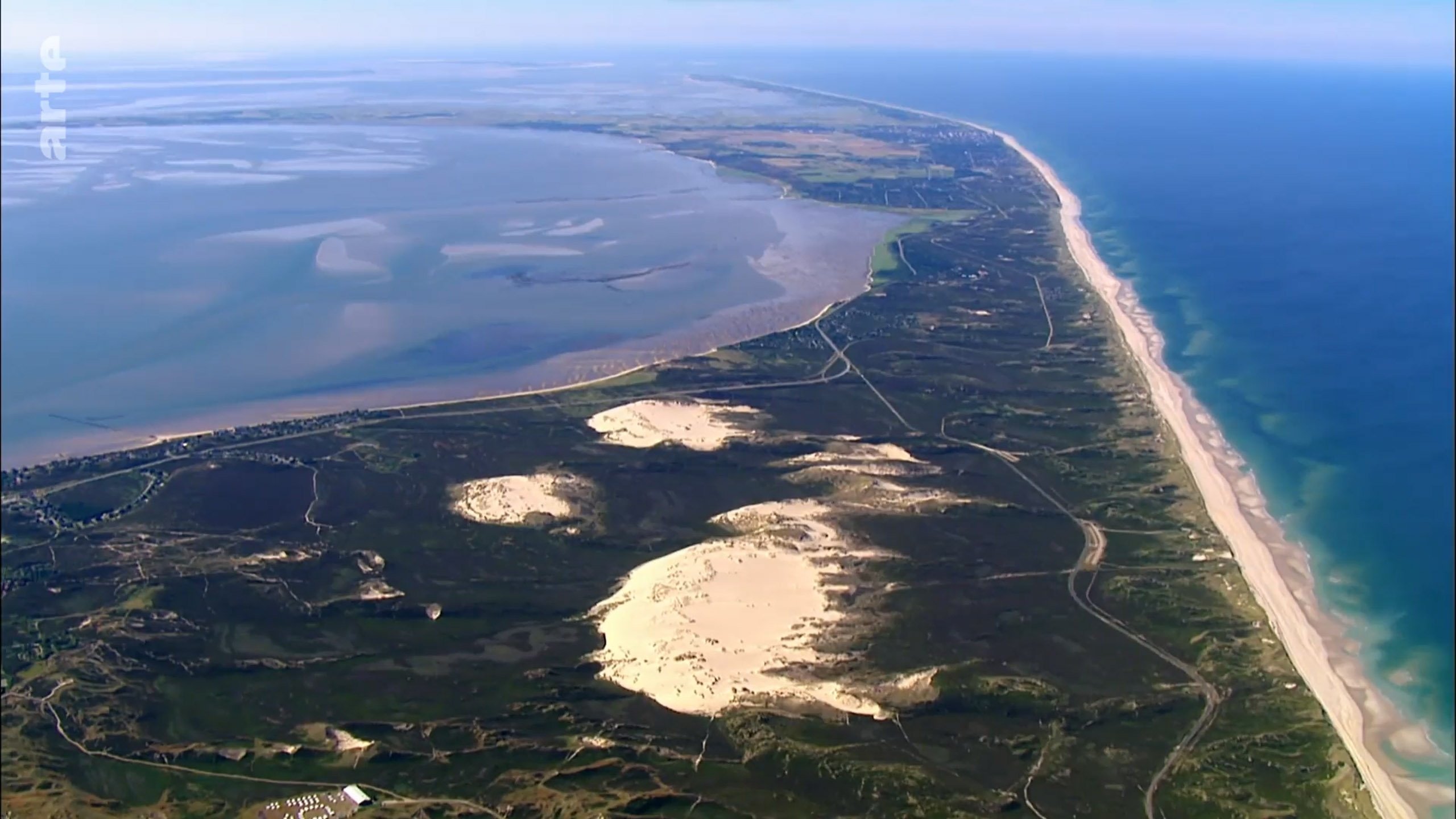
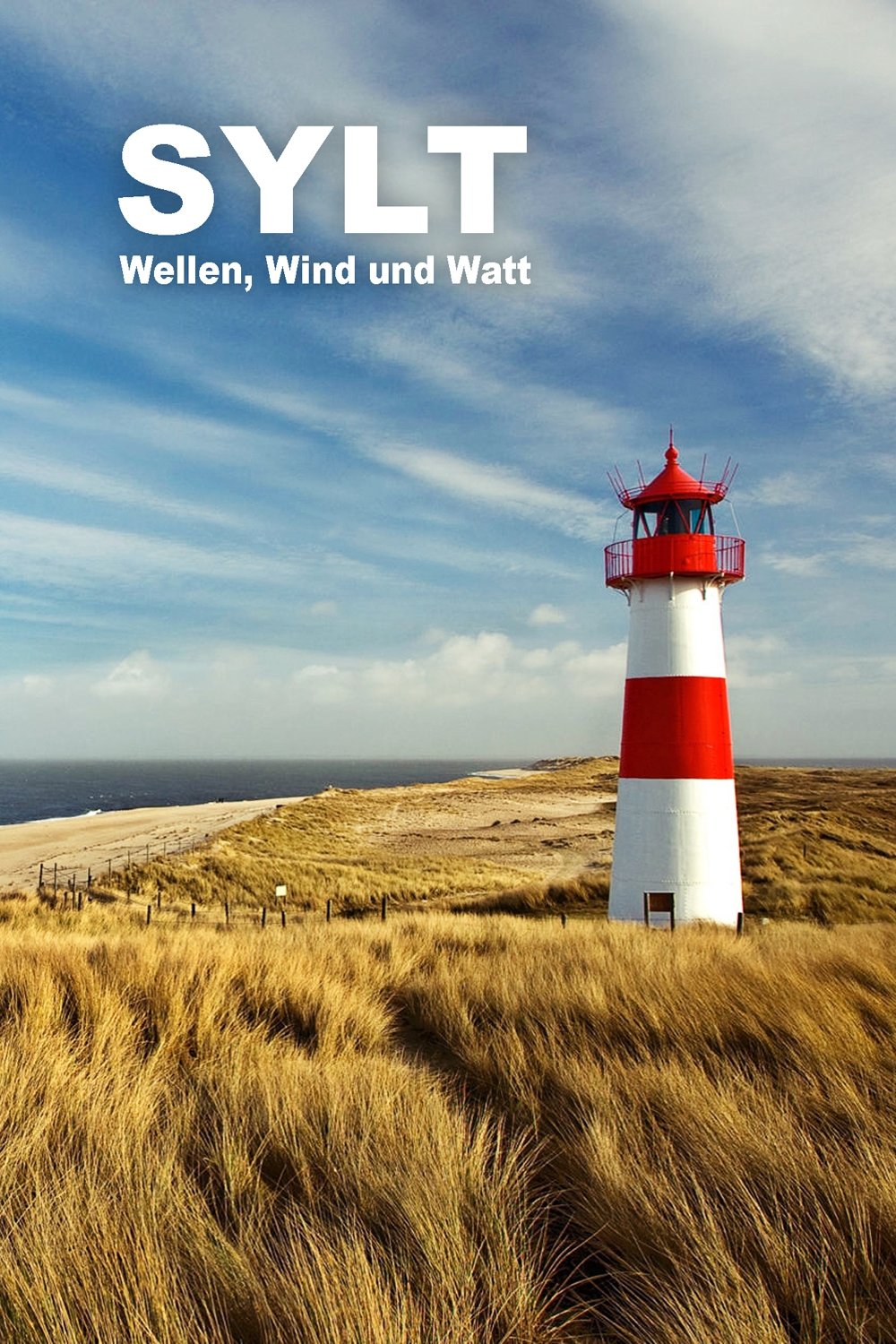
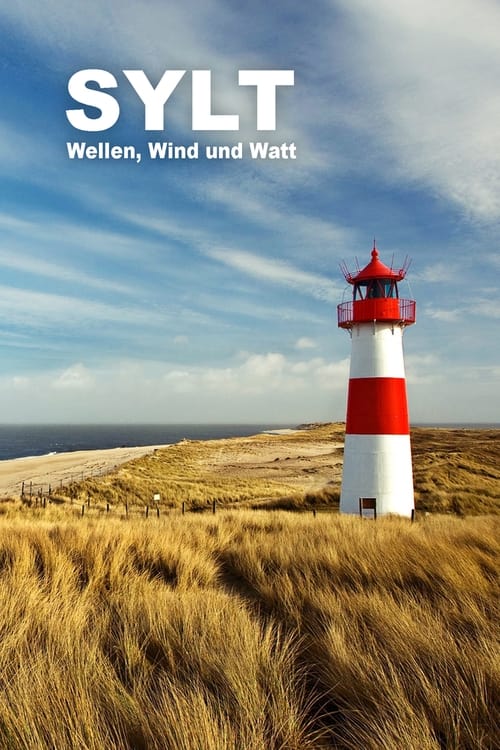
Endless beaches, dunes, heath and the Wadden Sea characterize the landscape of Sylt. Germany's largest North Sea island is also a paradise for numerous animal and plant species. Around half of its area is under landscape or nature protection. In spring and autumn, thousands of migratory birds stop here on their way between Siberia and East Africa. Sheep graze on the dike meadows, female seals give birth to their young off Sylt. And the Sylt Wadden Sea is one of the last large wilderness areas in Europe. But in winter storms hit the island. If the “Blanke Hans”, as the storm on Sylt is called, causes the North Sea to rage, it hits the island with tremendous force. Only a few places on the German North Sea coast are as exposed to the force of the sea as the west coast of Sylt. The documentary shows Sylt's nature in fascinating images. People who are particularly connected to the island and its nature are accompanied in their everyday lives.


Sascha Rotermund
Sascha Rotermund
Self - Narrator (voice)
Sascha Rotermund
Self - Narrator (voice)
Ralf Meyer
Ralf Meyer
Self - Interviewee
Ralf Meyer
Self - Interviewee
Annika Cornelius
Annika Cornelius
Self - Interviewee
Annika Cornelius
Self - Interviewee
Manfred Schmidt
Manfred Schmidt
Self - Interviewee
Manfred Schmidt
Self - Interviewee
Jan Schot
Jan Schot
Self - Interviewee
Jan Schot
Self - Interviewee
Jonas Kotlarz
Jonas Kotlarz
Self - Interviewee
Jonas Kotlarz
Self - Interviewee
Holger Schultz
Holger Schultz
Self - Interviewee
Holger Schultz
Self - Interviewee
Similar Movies
Traffic on the B61 road, which connects Rotterdam to Warsaw and cuts through the German spa town of Bad Oeynhausen, is permanently gridlocked. The promised cure is a bypass whose construction is documented for a period of eight years: the efforts of the mayor, police, fire brigade and construction companies, the delays in the construction of the northern bypass and above all the reactions of the affected residents.
The fascinating landscape formations of Iceland in the North Atlantic bear witness to the beauty and primal power of nature. They were created through the interaction of powerful volcanic, geological and biological processes that have been changing the face of the earth for billions of years. This is what the Earth might have looked like four billion years ago. Iceland is the realm of ice and fire. Nowhere else is there such a high density of volcanoes. The landscapes, which are continually reshaped by eruptions, make the island a natural laboratory full of clues about the formation and development of the earth. The documentary follows a group of scientists through the most active areas of Iceland, along a mountain range that has emerged from the ocean. On the slopes of the volcanoes, in the fog of the fumaroles and on streams and rivers, the three researchers explore how the first forms of life populated the earth's surface and in what evolutionary steps they took over the earth.
When a decaying Russian satellite crashes on the island, the Professor uses a key component for a barometer. With that device, he learns that a massive wave is going to swamp the island. In desperation, the castaways lash their huts together into one structure in order to have any chance to ride the disaster out.

1 hour 55 minute edited "movie" version comprised of primarily episodes 1 and 2 of TV series of same name available on Tubi. Travelers are stranded in the Bermuda Triangle. On an island, they meet Varian, a man from the future, and Liana, an Atlantean. Together, they journey through different worlds, in hopes of returning home.
A team of environmentalists, including a reporter, her camera man, and an environmentalist's famous girlfriend charter a boat and with the captain, sail to a military island. They suspect the island is hosting to illegal activities. Upon arrival, however, they find no one. They finally reach a deserted house, where they find Dr. Susan Richardson, who tells them that everyone on the island is dead, including her father. Richardson's team were working on a compound that could make edible plants grow to super size, however the military intervened with plans of their own. They wanted to test the compound's effects on animals, and proceeded to feed it to several komodo dragons and cobras.