

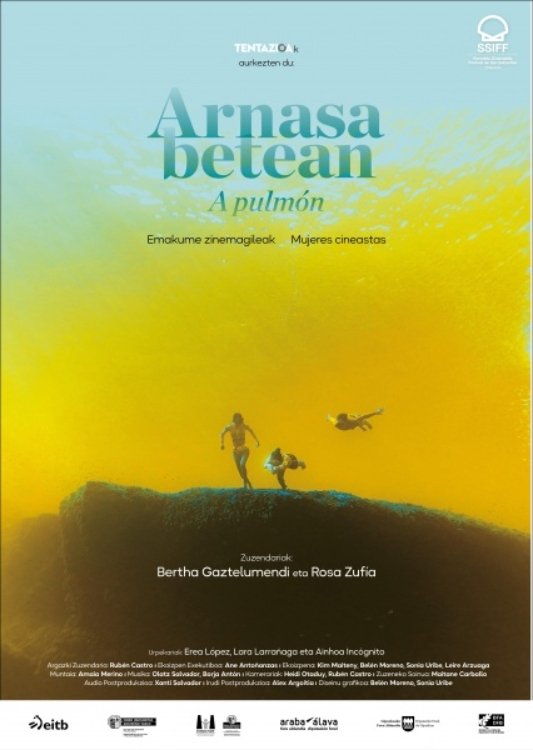
A Deep Breath, Women Filmmakers
Documentary
Overview
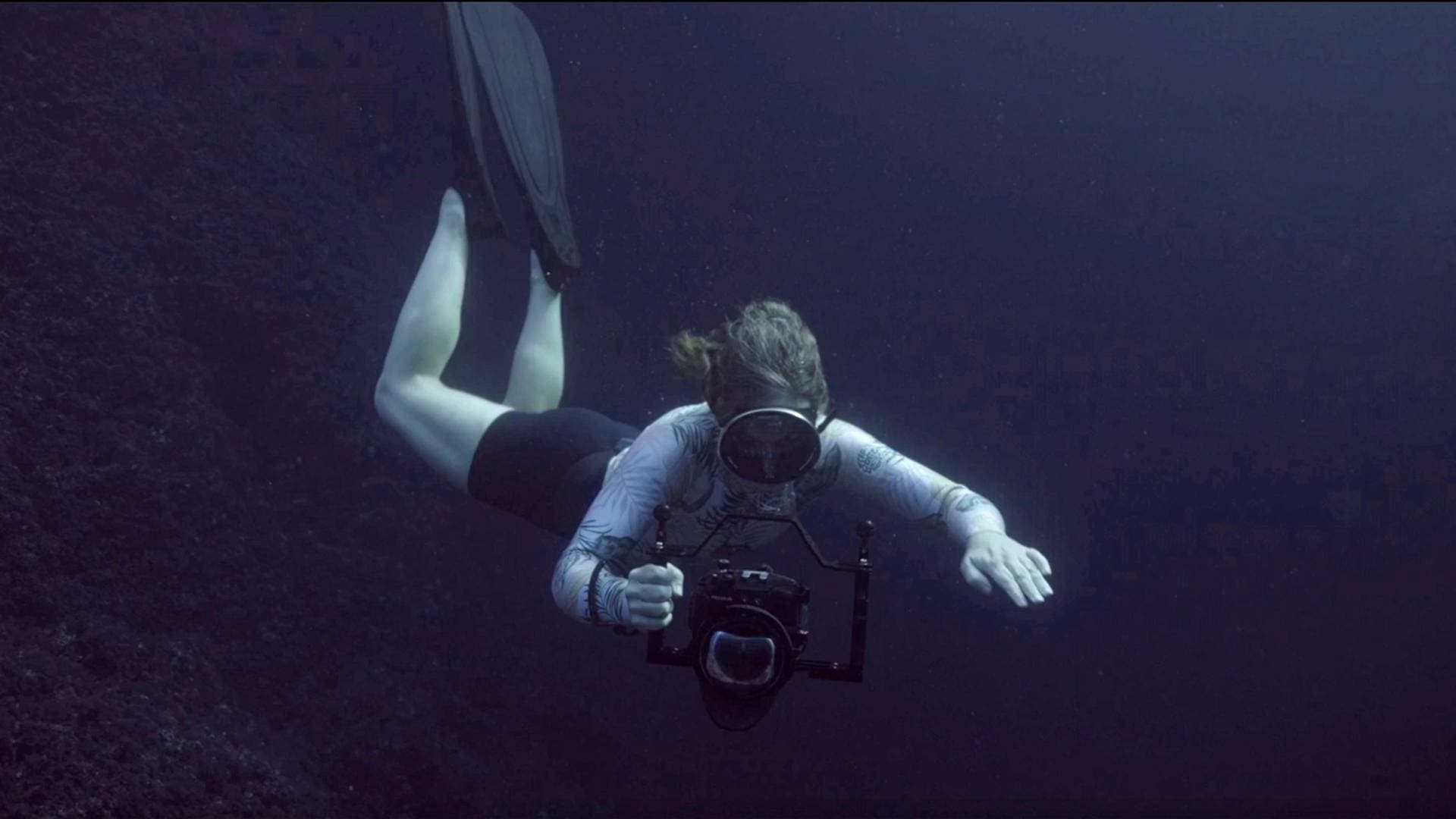
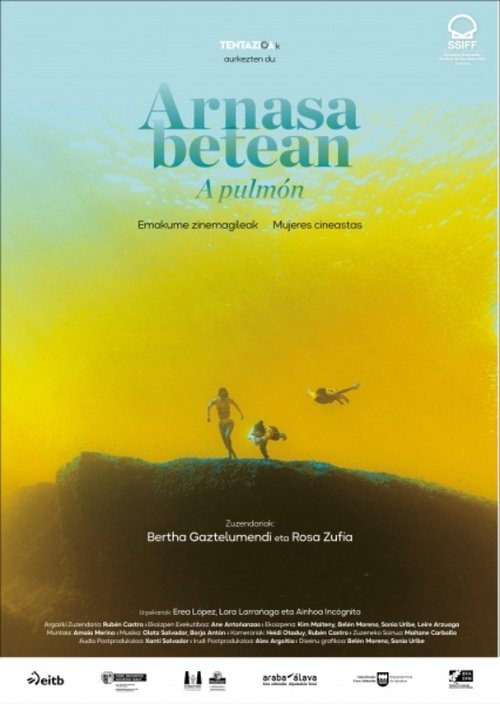
At last we are starting to hear the voice of women in the cinema. We celebrate it with this documentary on the Basque women moviemakers of yesterday and today, giving a global overview of the subject. Three female divers guide us through the topic of their films, their points of view, their dreams, their efforts to get somewhere, their contribution to the cinema and to society.




Erea López
Erea López
Buceadora
Erea López
Buceadora
Lara Larrañaga
Lara Larrañaga
Buceadora
Lara Larrañaga
Buceadora
Ainhoa Incógnito
Ainhoa Incógnito
Buceadora
Ainhoa Incógnito
Buceadora
Leire Apellániz
Leire Apellániz
Self
Leire Apellániz
Self
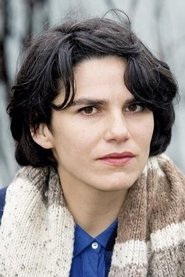
Maddi Barber
Maddi Barber
Self
Maddi Barber
Self
Ana Díez
Ana Díez
Self
Ana Díez
Self
Arantxa Echevarría
Arantxa Echevarría
Self
Arantxa Echevarría
Self

Maria Elorza
Maria Elorza
Self
Maria Elorza
Self

Iratxe Fresneda
Iratxe Fresneda
Self
Iratxe Fresneda
Self
Mireia Gabilondo
Mireia Gabilondo
Self
Mireia Gabilondo
Self
Similar Movies
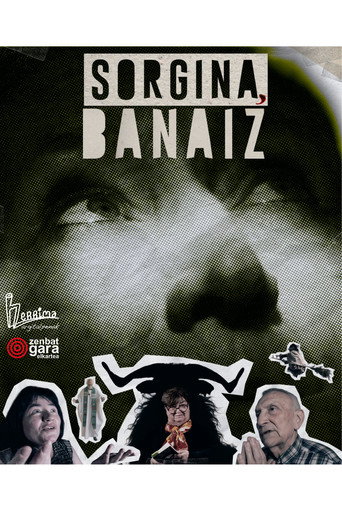
The massacre occurred 500 years ago. In 1525, the Spanish Royal Council ordered the execution of five members of a cult recently discovered in the Pyrenees. This event marked the beginning of a relentless, century-long prosecution against Basque witchcraft, which exhibited all the hallmarks of the great European witch hunts, including an unstable border between powerful nations, revolts against the lords, raging misogyny, confessions obtained under torture, and mass accusations. These past five centuries, only one account has been heard: that of the inquisitors and jurists, the same ones who invented the myth of flying witches who met with the devil at sabbats to plot their crimes.
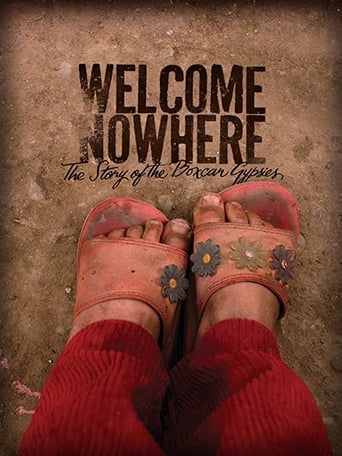
Narrated by Ethan Hawke, Welcome Nowhere tells the true story of a community of Roma people (commonly known as Gypsies) who live in old train boxcars in Sofia, Bulgaria after being forcibly evicted from their homes. Without bathrooms for more than 200 people, they struggle to survive, waiting for help from the government that never seems to come.
In 1967 Canadian filmmaker Hugh O'Connor came with a crew to eastern Kentucky to make a film showing people from all walks of life in the United States. They finished the day by filming coal miners and their families in rental houses. As the filmmakers were leaving, Hobart Ison, the owner of the property, drove up and fired three shots, killing Hugh O'Connor. Elizabeth Barrett, from Kentucky herself, explores why this happened by trying to understand the people and culture of eastern Kentucky.
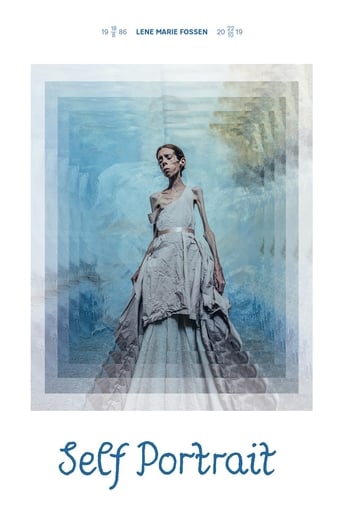
The documentary is a portrait of an artist and a portrait of a deadly disease. Lene Marie Fossen was a gifted photographer who suffered from severe anorexia. Self Portrait is a film about the power of art and survival, but it also raises important questions about what treatment one who suffers from severe anorexia needs.