




Documentary
Overview
On a fateful San Francisco night in the early '60s, Condor nightclub performer Carol Doda was lowered to the stage on a floating piano, topless. Word spread quickly, setting off a wave of controversy and delight, with raids soon to follow. There was even a trial for the new celebrity. Doda's dry wit and charisma made her an instant sensation of the night club scene: an empowered woman in full control. Or so it seemed.










Carol Doda
Carol Doda
Self (archive footage)
Carol Doda
Self (archive footage)
Pete Mattioli
Pete Mattioli
Self
Pete Mattioli
Self
Benita Mattioli
Benita Mattioli
Self
Benita Mattioli
Self
Charles North
Charles North
Self
Charles North
Self
Philip DerDevanis
Philip DerDevanis
Self
Philip DerDevanis
Self
Leslie Gilton
Leslie Gilton
Self
Leslie Gilton
Self
Judy Mamou
Judy Mamou
Self
Judy Mamou
Self
Jimmy Mamou
Jimmy Mamou
Self
Jimmy Mamou
Self
Jerry Martini
Jerry Martini
Self
Jerry Martini
Self
Charlie Farrugia
Charlie Farrugia
Self
Charlie Farrugia
Self
Similar Movies

This movie chronicles the life and times of R. Crumb. Robert Crumb is the cartoonist/artist who drew Keep On Truckin', Fritz the Cat, and played a major pioneering role in the genesis of underground comix. Through interviews with his mother, two brothers, wife, ex-wife and ex-girlfriends, as well as selections from his vast quantity of graphic art, we are treated to a darkly comic ride through one man's subconscious mind.
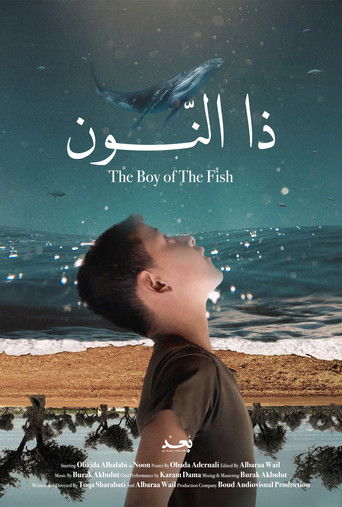
"The Boy Of The Fish" follows Noon, a young boy living in a Syrian refugee camp, who finds solace and a sense of freedom in a whale-shaped doll he names "Bahr." Set against the challenging realities of camp life, Noon’s journey is both a story of resilience and a testament to the boundless imagination of childhood. Through vivid symbolism and a unique soundscape, the film explores themes of loss, hope, and the longing for freedom amidst confinement. Shot entirely on an iPhone due to restrictions in the conflict zone, the film combines raw authenticity with poetic depth to capture the emotional landscape of a young soul navigating adversity.

"I especially hope to inspire young women, because I often feel like so much emphasis is put on how beautiful you are, and how thin you are, and not a lot of emphasis is put on what you can do and how smart you are. I'd like to change the emphasis of what's important when looking at a woman." Filmed in San Francisco in 2000, Margaret Kilgallen (1967-2001) discusses the female figures she incorporated into many of her paintings and graffiti tags. Loosely based on women she discovered while listening to folk records, watching buck dance videos, or reading about the history of swimming, Kilgallen painted her heroines to inspire others and to change how society looks at women. Three of Kilgallen's heroines—Matokie Slaughter, Algia Mae Hinton, and Fanny Durack—are shown and heard through archival recordings. Kilgallen is shown tagging train cars with her husband, artist Barry McGee, in a Bay Area rail yard and painting in her studio at UC Berkeley (source: Art21).

Cold Refuge is about the physical, psychological, and spiritual aspects of full immersion in the natural world: how, though it may seem counter-intuitive, swimming in cold water helps mitigate some of life’s most serious challenges. The film’s diverse film subjects include a wheelchair-bound, paralyzed swimmer who faces fear by diving off a high pier; a Black man who was told by whites when he was 13 that “Black people don’t swim” (it took him 30 years to try); a blind man who tethers himself to a sighted swimmer; a woman with aggressive breast cancer who “swims to chemo;” a lawyer who reduces courtroom stress in the open water; and a young woman who communes with her late mother in San Francisco Bay, where they both swam together. Along with swimmers’ stories of adversity and resilience, the film’s marine mammals, birds, artwork, and a variety of open-water locations create a visual meditation on what it means to escape our abstract digital world in favor of what’s real.
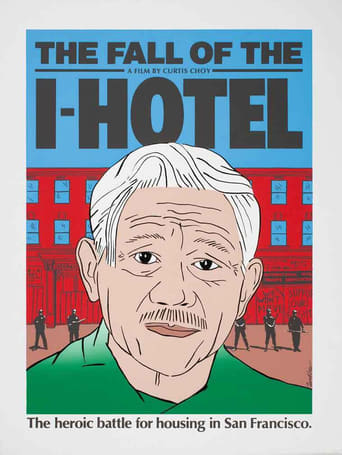
The Fall of the I-Hotel brings to life the battle for housing in San Francisco. The brutal eviction of the International Hotel's tenants culminated a decade of spirited resistance to the razing of Manilatown. The Fall of the I-Hotel works on several levels. It not only documents the struggle to save the I-Hotel, but also gives an overview of Filipino American history.