

The Power of Utopia: Living with Le Corbusier in Chandigarh
Documentary
Overview
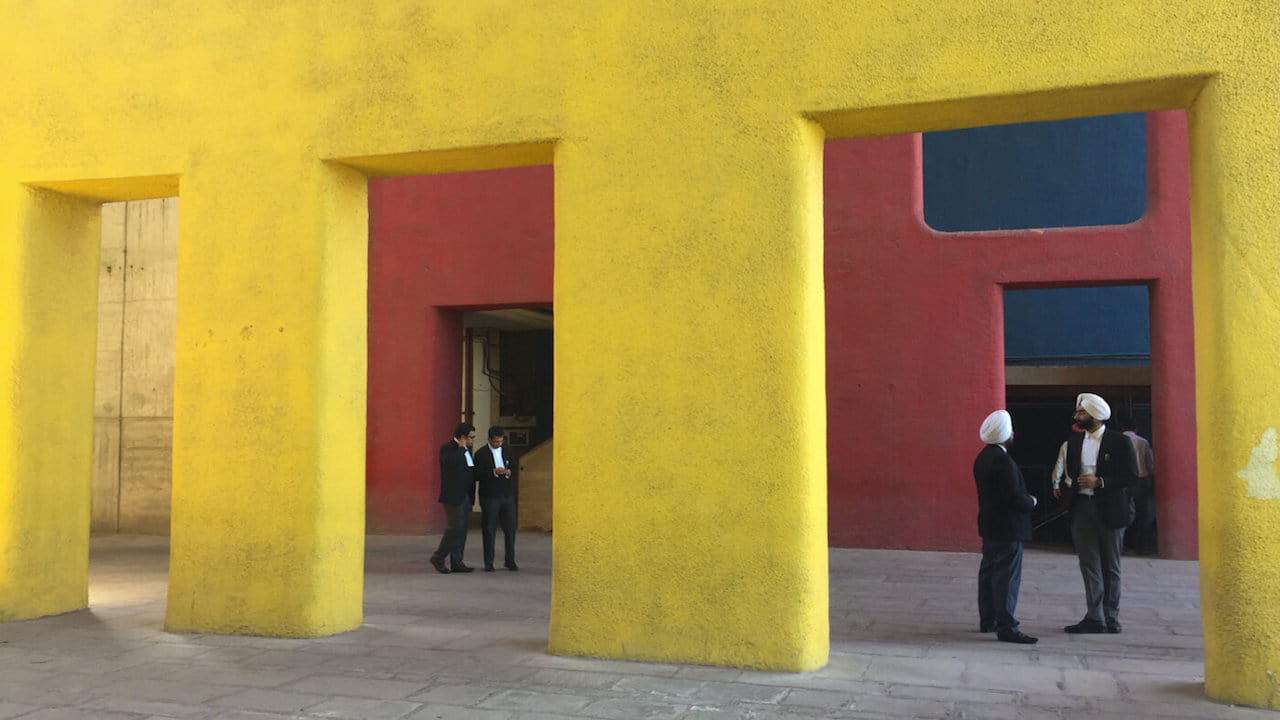
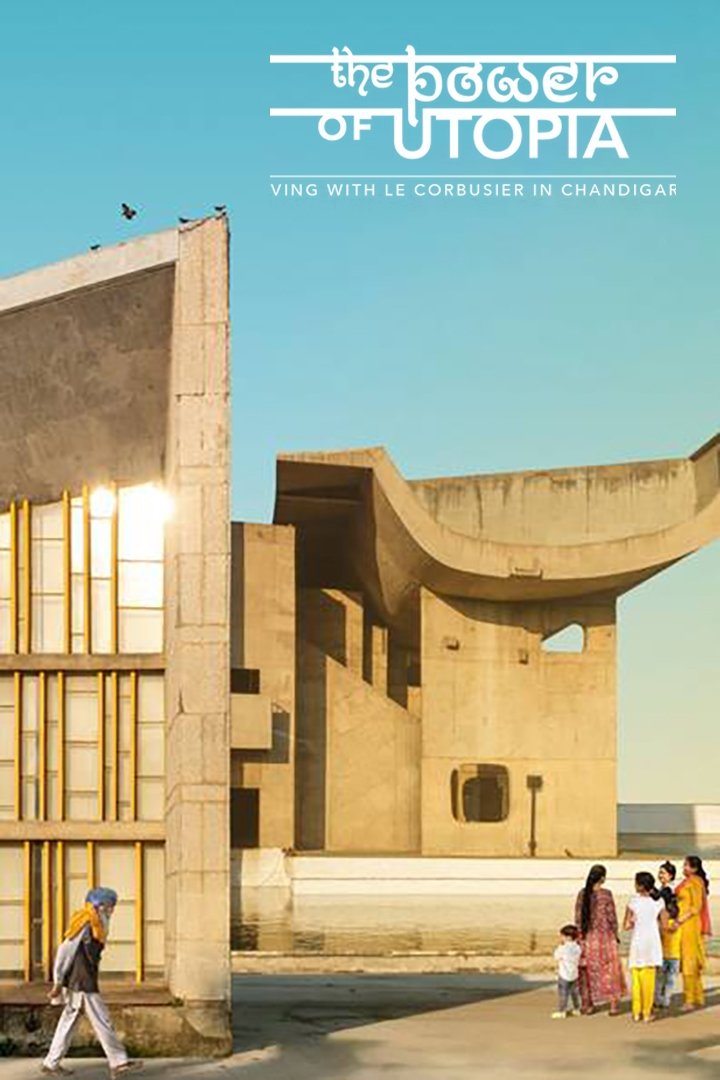
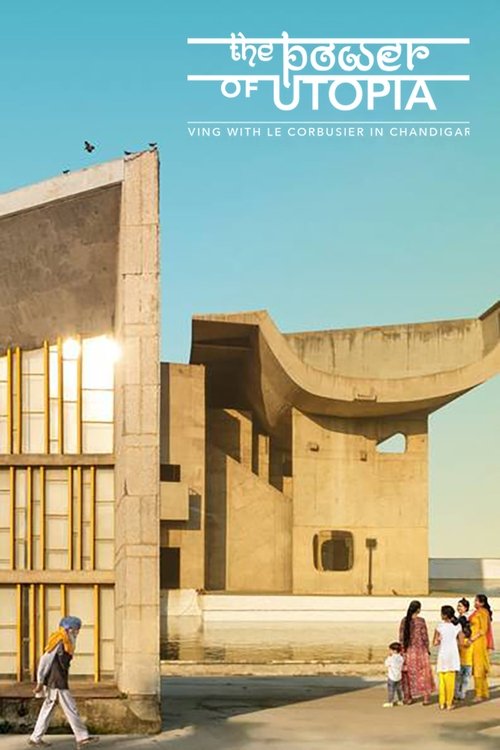
With the construction of the Indian planned city of Chandigarh, the Swiss and French architect Le Corbusier completed his life's work 70 years ago. Chandigarh is a controversial synthesis of the arts, a bold utopia of modernity. The film accompanies four cultural workers who live in the planned city and reflects on Le Corbusier's legacy, utopian urban ideas and the cultural differences between East and West in an atmospherically dense narrative.






No cast information.
Similar Movies
Conceptual visual artist Ján Mančuška died in 2011. However, in his short 39 years of existence, he managed to create a number of remarkable works, many of which have been exhibited in renowned galleries around the world – including the Centre Pompidou in Paris and MoMA in New York. In his homeland, however, his work reflecting everyday life, social reality or the meaning of language has never achieved comparable fame. Together with the children of an artist who was not afraid to confront the public with the question of the meaning of art, the director embarks on a journey that aims not only to get closer to Mančuška, but also to reveal him in hitherto unrecognised shades, thus filling in the gaps that are increasingly appearing in the context of the fading memory of his personality.

This is the legendary meeting between a young filmmaker and one of the masters of surrealism: the spanish painter Óscar Domínguez, born in La Laguna, Tenerife, in 1906, died in Paris in 1957. In the "Visite," the artist -admirer of Picasso, rebellious disciple of Breton- is presented in solitude, far from the tumult of the exhibitions and parisian circles. An austere approach, almost “povera”, with no audio, nor flashy camera movements, but rarely attractive. Why Resnais could not finish his movie? Hope one of our experts help us to solve the mystery.
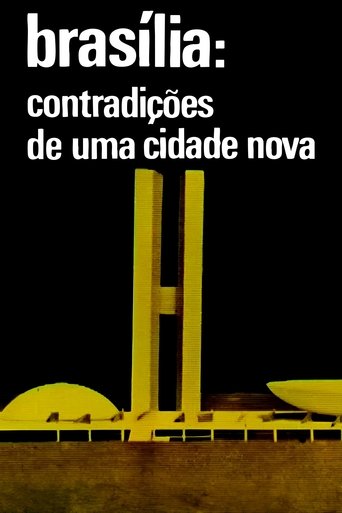
In 1967, de Andrade was invited by the Italian company Olivetti to produce a documentary on the new Brazilian capital city of Brasília. Constructed during the latter half of the 1950s and founded in 1960, the city was part of an effort to populate Brazil’s vast interior region and was to be the embodiment of democratic urban planning, free from the class divisions and inequalities that characterize so many metropolises. Unsurprisingly, Brasília, Contradições de uma Cidade Nova (Brasília, Contradictions of a New City, 1968) revealed Brasília to be utopic only for the wealthy, replicating the same social problems present in every Brazilian city. (Senses of Cinema)

The feature-length documentary Fakir portrays the success of fakirism in Brazil, Latin America and France. This circus art origin show is presented and analyzed through archives that reveals the success of these presentations with their pain resistance championships and the great public presence, including politicians and government officials. Fakir spans current footage from contemporary artists who keep this art alive in performances and shows.
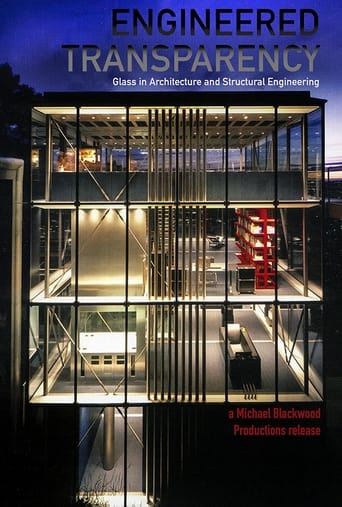
Accentuating the effects of space, light and structure, glass has become an architectural staple that encourages transparency and visibility throughout a variety of landscapes. After its role in the last century's call to a radical new architecture and urban life, glass architecture is today more ubiquitous than ever.