

Chasing the Light: Norfolk Island
Documentary · TV Movie
Overview
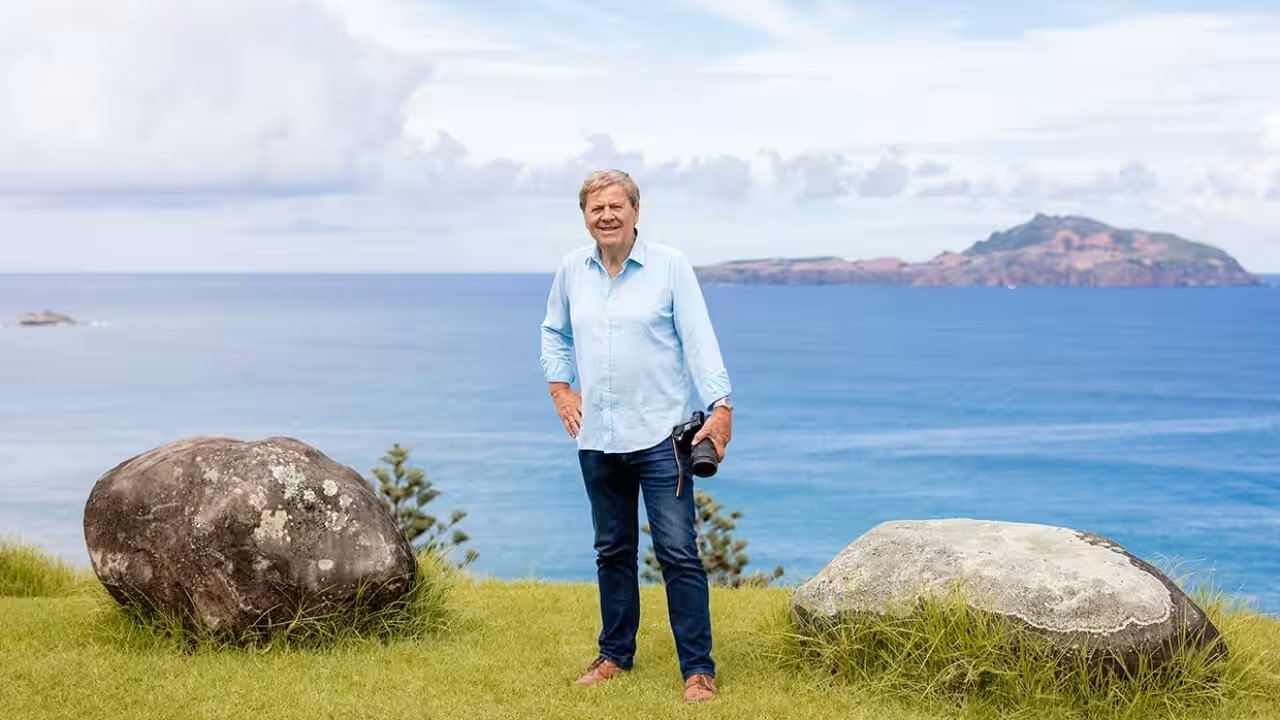
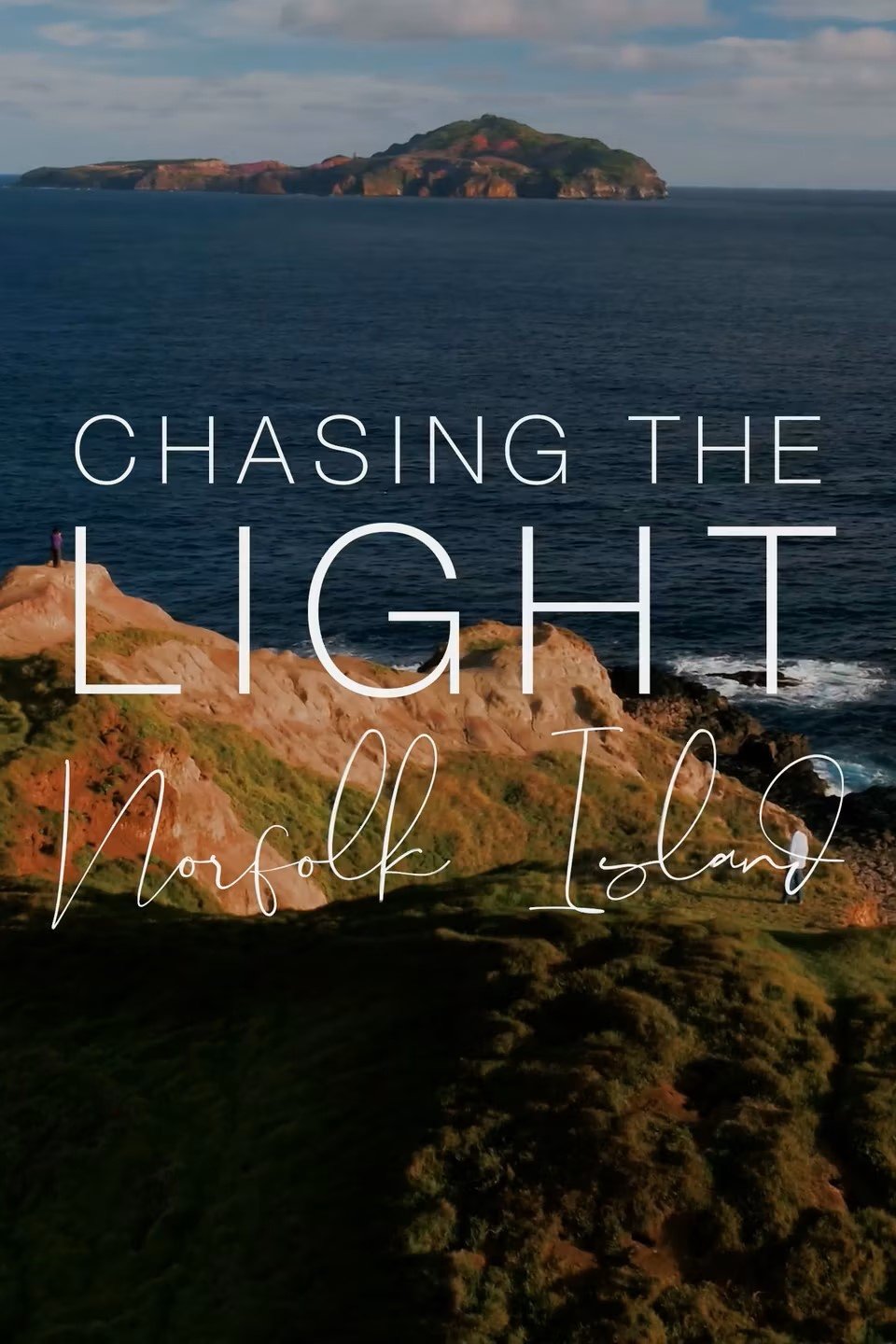
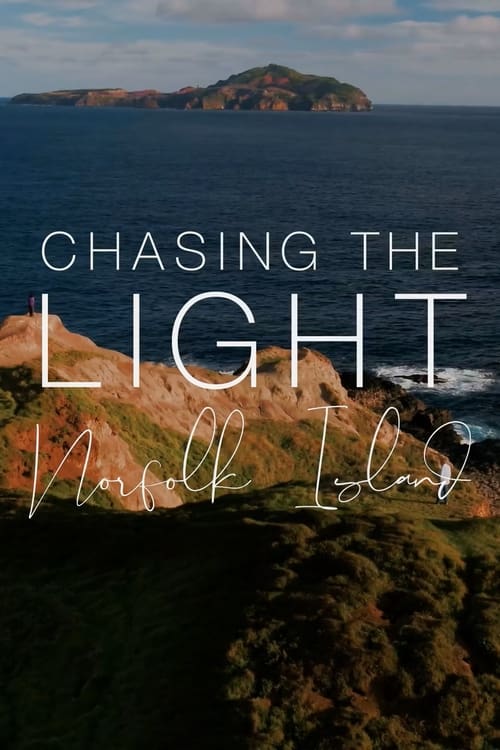
Chasing the Light: Norfolk Island with Ray Martin is a visual feast, rich in land and sea cinematography and photography by some of the best in the business, while at the same time telling the unique, exotic and often surprising story of one of Australia’s great treasures: Norfolk Island. World famous landscape photographer Ken Duncan chases the light in an odyssey to get the perfect shot on the spectacular island gifted by Queen Victoria to the Pitcairn Islanders, mutineers from the Bounty, their Tahitian wives and their families and descendants. Ken, the master, has his sidekick and protégé Ray Martin along with him and they link up with local photographer and underwater specialist Zach Sanders. Capturing their chase is one of Australia’s most awarded cinematographers Andy Taylor. Andy turns his own lens on the lensmen and Norfolk’s unforgettable scenery, characters, culture, and customs.


Ray Martin
Ray Martin
Self / Host / Narrator
Ray Martin
Self / Host / Narrator
Ken Duncan
Ken Duncan
Self / Photographer
Ken Duncan
Self / Photographer
Similar Movies

Storror Supertramps - Thailand is the first film of its kind. Seven friends take you on a thrilling feature length adventure, documenting their wild journey around South East Asia. Join some of the worlds favourite athletes on an incredible exploration into their world of fun, freedom and adventure. The boys push the limits of their comfort zone as they endure twenty-eight days with no plans, accommodation or money. What could possibly go wrong ?
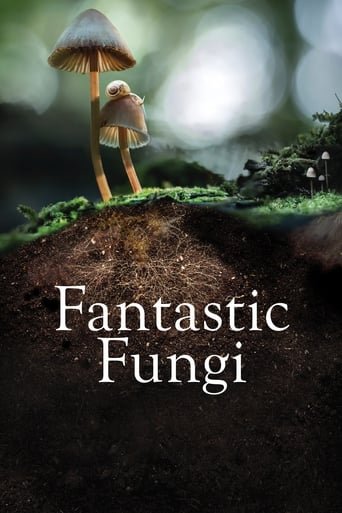
A vivid journey into the mysterious subterranean world of mycelium and its fruit— the mushroom. A story that begins 3.5 billion years ago, fungi makes the soil that supports life, connecting vast systems of roots from plants and trees all over the planet, like an underground Internet. Through the eyes of renowned mycologist Paul Stamets, professor of forest ecology Suzanne Simard, best selling author Michael Pollan, food naturalist Eugenia Bone and others, we experience the power, beauty and complexity of the fungi kingdom.

In the summer of 1961, a group of young Italian anthropologists made a clandestine journey through Spain, in order to record popular songs that supported anti-Franco resistance. As a result of their work, they were prosecuted and their recordings were censored. Sixty years later, and guided by Emilio Jona, aged 92, the last living member of that group of travellers, we recover the unpublished recordings and reconstruct the journey, today, across an emotional and political landscape, regaining historical memories through these songs, as relevant today as they were then.
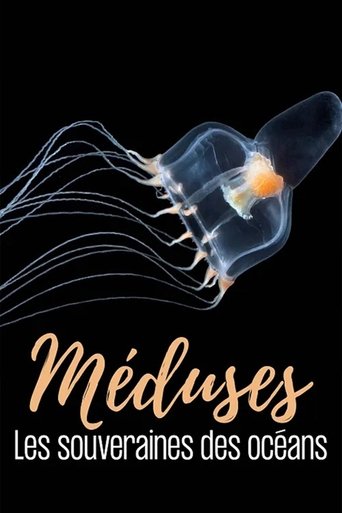
Jellyfish blooms are making headlines around the world. This is due to the damage they cause to tourism, fishing and our health. How can these creatures, which are over 98% water and have no shell, skeleton or brain, expand so rapidly? Although this is a normal stage in the life cycle of these gelatinous animals, we have to admit that blooms have become much more frequent and massive in recent decades. We're even witnessing jellyfish populations appearing in more and more regions where fish have been replaced by them, such as off the coast of Namibia, in the Black Sea, in the Sea of Japan and in certain areas of the Baltic Sea. What causes this? Why has the role of jellyfish in the ocean been underestimated, even though they outlived the dinosaurs? Are jellyfish on their way to dominating the oceans as they once did? What if they were to be the only ones left?
Through the eyes and voice of biologist Janine Benyus, the non-fiction feature “Biocentrics” takes the viewer through different corners of the planet to reveal the birth and the principles that guide biomimicry, a methodology of innovation inspired by nature. As a hub connecting ancestral knowledge, diverse cultures, natural technologies and initiatives that choose the continuity of life as their premise, the charismatic activist proposes a common agenda, a new posture and a tool, which is the vanguard of contemporary science, to face the global challenges that lie ahead and putting life back at the center of decision-making.
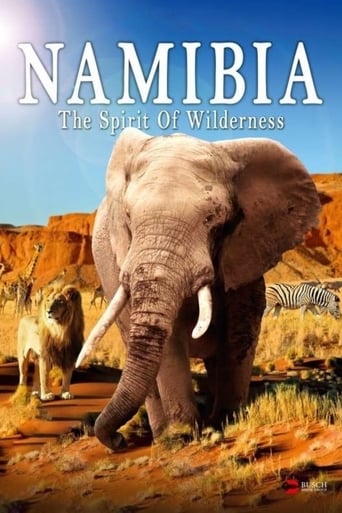
With more than 300 days a year, the sun dominates this country so much that it’s even shining from their flag. It’s a barren land, sometimes it’s like it’s from another planet but still familiar. It is land of contrasts and colours with wide landscapes and fascinating deserts. Influenced by various cultures during colonization and now reborn from the shadows of Apartheid in 1990, Namibia gives a beautiful collage of culture, language, art, music and food. Everyone who loves an adventure should travel to Namibia, the precious corner of our world full of incredible natural wonders. The experience of endless landscapes and an unparalleled blaze of colour make Namibia unforgettable. NAMIBIA – THE SPIRIT OF WILDERNESS invites you on a trip whose fascination will never let you go: From the Namib Desert over the breath-taking Fish River Canyon to the spectacular Etosha National Park where you will see wild elephants, antelopes, giraffes, zebras and lions.
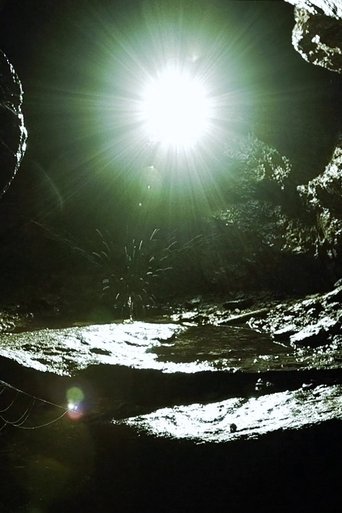
In 1907 Herman Hesse spent a few days mediating and fasting in a cave near Monte Verità. During these days he collected the visions and insights that went on to be very influential in his thinking and shaped some of the most important works of his literary career. The images and sounds of this film were shot there and are a homage to this cave and its possible invocations. Grotta is part of Fieldworks, an ongoing experiment with ambient video and radio frequencies.
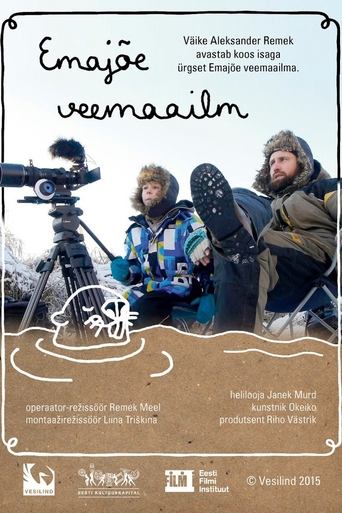
The River Emajõgi forms a powerful water world hiding an ancient life. Little Aleksander together with his filmmaker father Remek Meel discovers Alam-Pedja nature reserve and the secrets of its enchanting world. Father and son get acquainted with the hidden life of eagles, beavers, otters, waxwings, great snipes, ravens, penduline tits and Ural owls.