

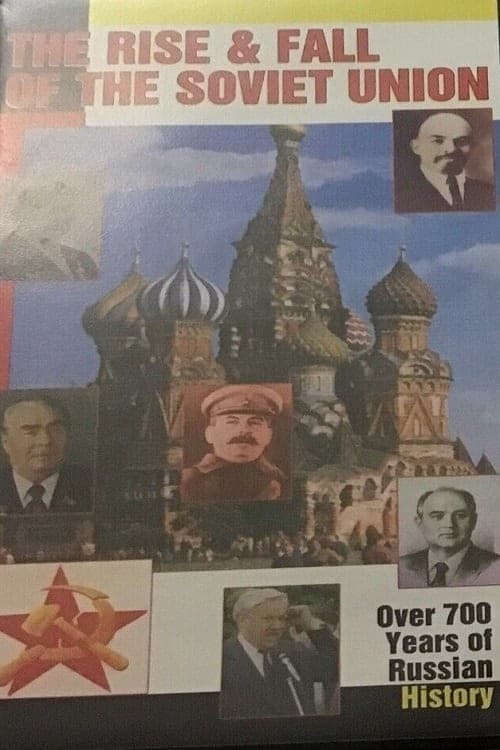
Soviet Union: The Rise and Fall - Part 2
Documentary
Overview
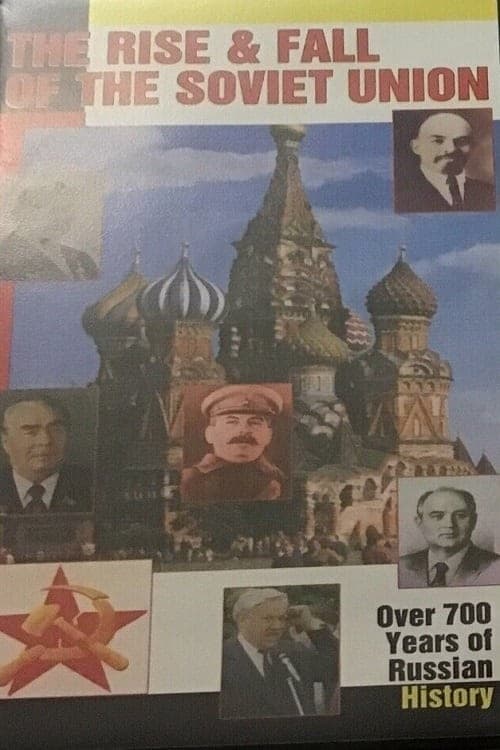
Historic Russian battles to repel invaders serve as prelude to the story of events that redrew the map of Eastern Europe and parts of Asia in the 20th century. Following the turmoil of the Bolshevik Revolution, Communist Russia faces the venom of Nazi aggression. 1940's film footage reveals the harsh reality of total war, as the Red Army and Soviet civilians alike confront a brutal and tenacious enemy. The following decades are darkened by tensions between the USSR and foreign powers, and violent measures taken to silence voices of dissent. Finally, the Soviet people's yearning for a freer society leads to accelerating reforms and the ultimate dissolution of the USSR.
Top Cast
Daniel Dorse
Narrator
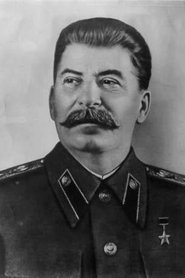
Joseph Stalin
Self (archive footage)
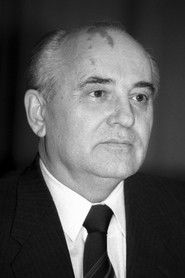
Mikhail Gorbachev
Self (archive footage)
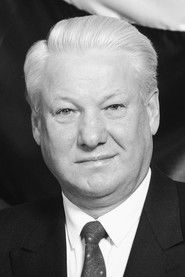
Boris Yeltsin
Self (archive footage)
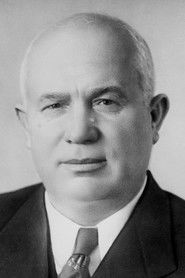
Nikita Khrushchev
Self (archive footage)
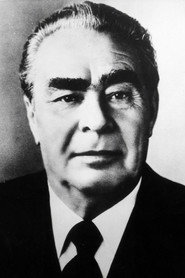
Leonid Brezhnev
Self (archive footage)
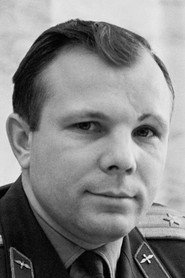
Yuri Gagarin
Self (archive footage)
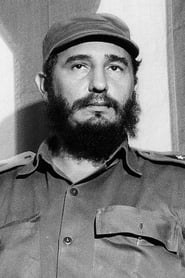
Fidel Castro
Self (archive footage)
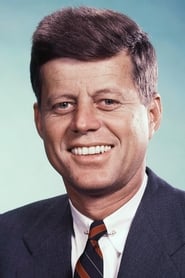
John F. Kennedy
Self (archive footage)
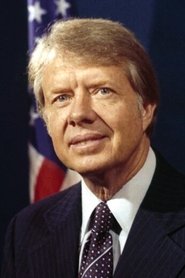
Jimmy Carter
Self (archive footage)
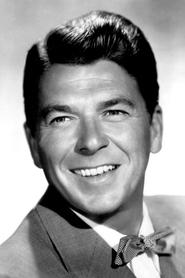
Ronald Reagan
Self (archive footage)
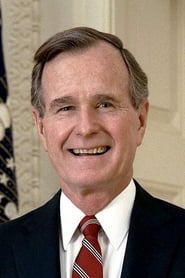
George H. W. Bush
Self (archive footage)



Daniel Dorse
Daniel Dorse
Narrator
Daniel Dorse
Narrator
Joseph Stalin
Joseph Stalin
Self (archive footage)
Joseph Stalin
Self (archive footage)
Mikhail Gorbachev
Mikhail Gorbachev
Self (archive footage)
Mikhail Gorbachev
Self (archive footage)
Boris Yeltsin
Boris Yeltsin
Self (archive footage)
Boris Yeltsin
Self (archive footage)
Nikita Khrushchev
Nikita Khrushchev
Self (archive footage)
Nikita Khrushchev
Self (archive footage)
Leonid Brezhnev
Leonid Brezhnev
Self (archive footage)
Leonid Brezhnev
Self (archive footage)
Yuri Gagarin
Yuri Gagarin
Self (archive footage)
Yuri Gagarin
Self (archive footage)
Fidel Castro
Fidel Castro
Self (archive footage)
Fidel Castro
Self (archive footage)
John F. Kennedy
John F. Kennedy
Self (archive footage)
John F. Kennedy
Self (archive footage)
Jimmy Carter
Jimmy Carter
Self (archive footage)
Jimmy Carter
Self (archive footage)
Similar Movies
An account of the life and work of Russian filmmaker Andrey Tarkovsky (1932-86) in his own words: his memories, his vision of art and his reflections on the fate of the artist and the meaning of human existence; through extremely rare audio recordings that allow a complete understanding of his inner life and the mysterious world existing behind his complex cinematic imagery.
This is a rare look at one of the worst horror stories in the long infamous history of warfare. This series features captured German and Russian film footage, much of which has never been seen before. For decades the Cold War prevented us from looking closely at what really happened between the Russians and the Germans on the Eastern Front during World War II. More than a struggle between nations, it pitted maniacal tyrant against maniacal tyrant, evil ideology against evil ideology. The lives of tens of millions of human beings were consumed by its raging hatreds and appalling indignities. One in every ten Russians died. One in every four Poles died. Whole divisions of Italians, Romanians, Hungarians disappeared with barely a trace. An average of 17,800 people died on every single day and this, the war on the Russian German Front, lasted for 1,400 days. This series features captured German and Russian film footage, much of which has never been seen before.
Charlie Marx and the Chocolate Factory started as an investigation of the link between politics and chocolate, at the Karl Marx Confectionary Factory in Kiev, Ukraine. Since access to the factory was denied, the project had to be re-considered, re-invented or re-enacted. Mostly made of archival footage and re-enacted performances based on the company's website, the film merges what was left of the initial idea with what has been collected and realized instead. It borrows from the genres of video art, 'Man on the street' interview, direct address, corporate film, essay, and music video, without legitimately belonging to any of them. The film unravels as a reflection on its own failure, and yet keeps on investigating what has always been at stake: the shift from public to private property (and from analog to digital technology), dialectics of permanence and change, language as a mirror of ideology, and post-Soviet oligarchy culture.
Analysis of the impact of natural gas - more specifically, the Ukrainian and European dependence on Russian gas - on European politics in the wake of Euromaidan. Featuring interviews with high-level government officials, journalists and industry analysts from several countries, the film argues that a generation after its break from the USSR, Ukraine is independent in name only. To bring the country to its knees, all Russia has to do to is turn off the gas, as it did briefly in the winters of 2005 and 2009.