

The Frison-Roche Track
Documentary
Overview
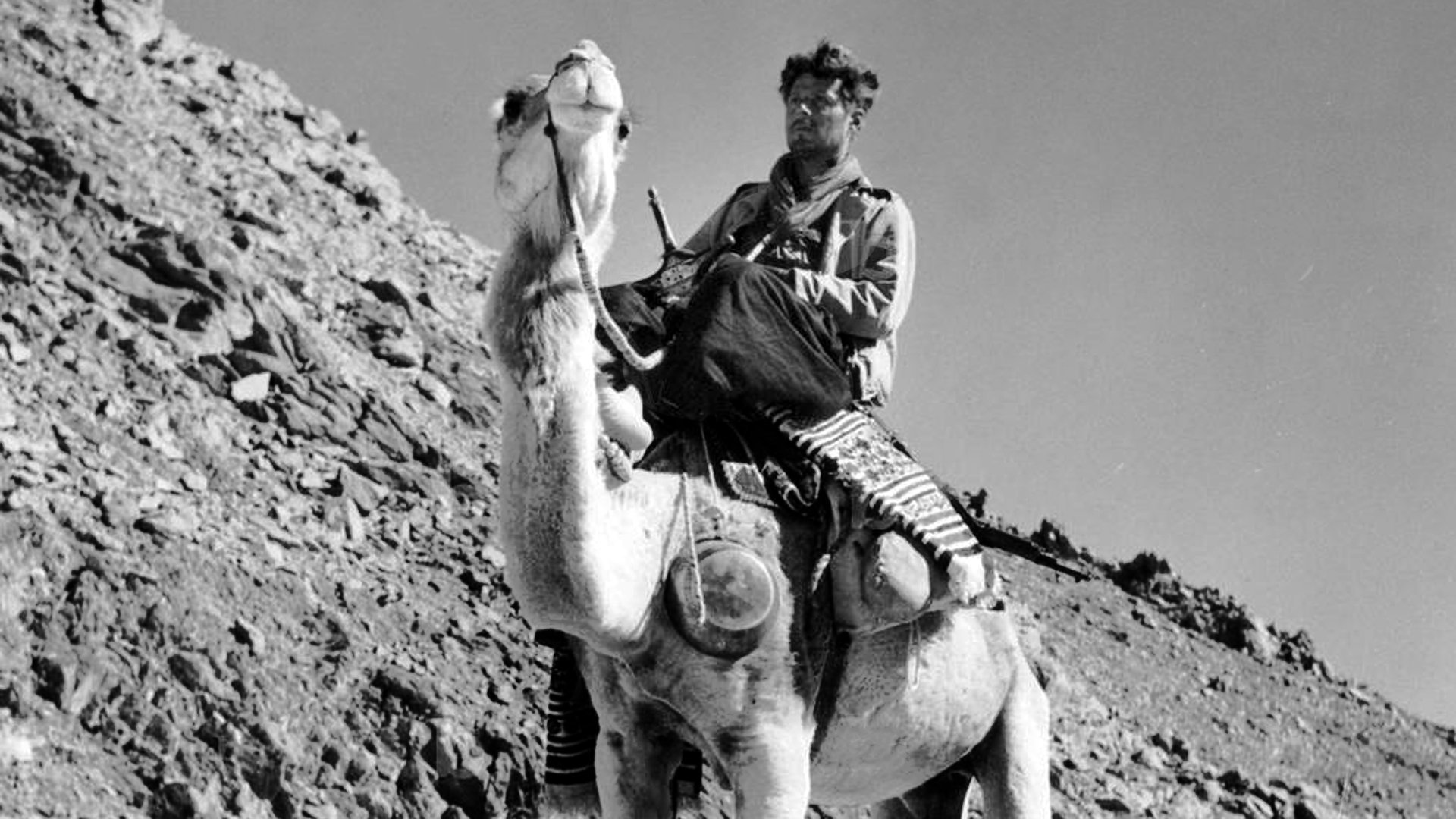
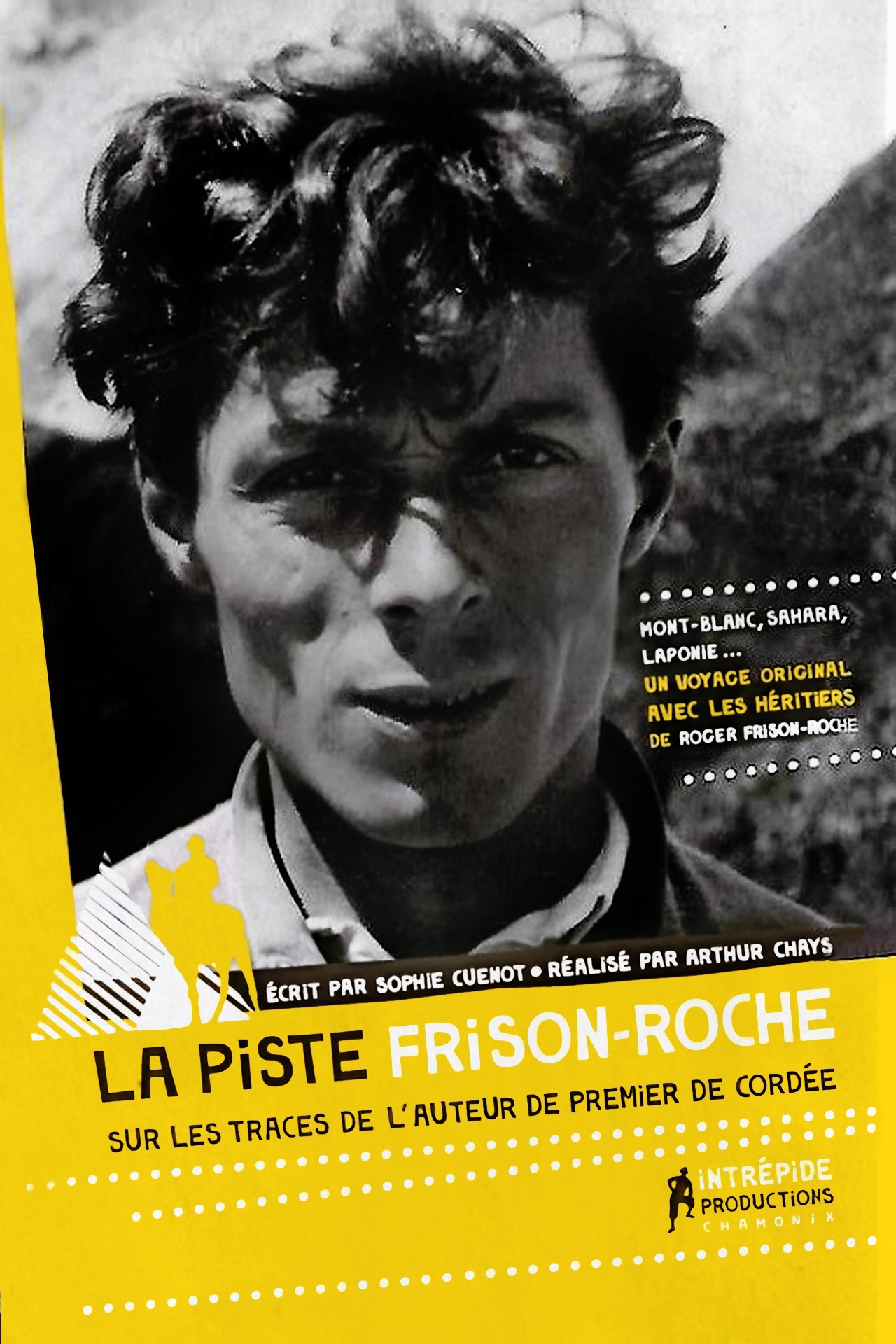
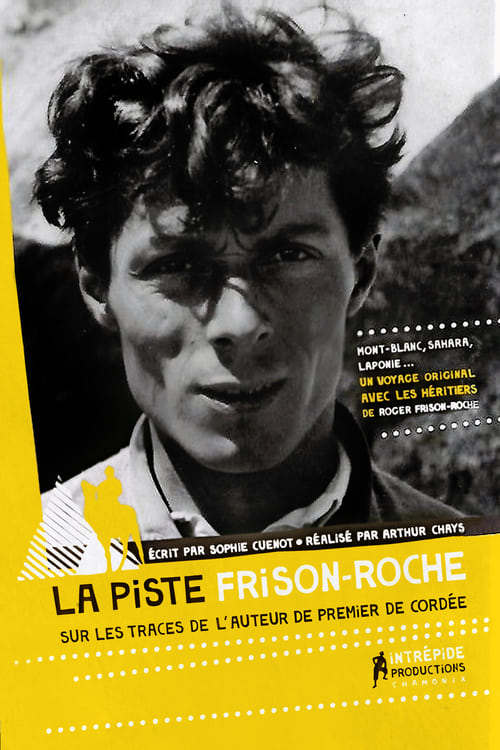
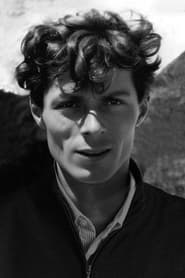
Roger Frison-Roche born in Paris in 1906 and moved to Chamonix at the age of 17. He was quickly adopted by local mountaineers and became the first guide in the Company not to have been born in the valley. He is also an insatiable explorer, in love with landscapes and peoples, having traveled from the Hoggar to the Sami camps in Lapland. And the author, among others, of the famous adventure novel Premier de Cordée! This documentary, made up of archive images and interviews, exposes the prolific life of a man who communicated his passion for the mountains by all possible means. A young journalist from Chamonix follows in the footsteps of Roger Frison-Roche. She meets people who knew him and others who followed in his footsteps: guides, filmmaker and author Philippe Claudel, a director, his family; on a trip to Lapland, Algeria, Chamonix.




Roger Frison-Roche
Roger Frison-Roche
Self (archive footage)
Roger Frison-Roche
Self (archive footage)
Sophie Cuenot
Sophie Cuenot
Self
Sophie Cuenot
Self

Christophe Profit
Christophe Profit
Self
Christophe Profit
Self
Thomas Dulac
Thomas Dulac
Self
Thomas Dulac
Self
Philippe Claudel
Philippe Claudel
Self
Philippe Claudel
Self
Pierre-Antoine Hiroz
Pierre-Antoine Hiroz
Self
Pierre-Antoine Hiroz
Self
Gudrun Bergdahl
Gudrun Bergdahl
Self
Gudrun Bergdahl
Self
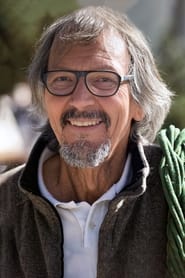
Bernard Prud'Homme
Bernard Prud'Homme
Self
Bernard Prud'Homme
Self
John-Andreas Utsi
John-Andreas Utsi
Self
John-Andreas Utsi
Self
Catherine Cuenot
Catherine Cuenot
Self
Catherine Cuenot
Self
Similar Movies
2006 was one of the deadliest Everest seasons on record. Experienced mountaineer Lincoln Hall was invited to join an expedition as a high altitude cameraman. It was his second attempt to summit the mountain, having turned back just short 22 years earlier. Shortly after reaching the summit, Hall began to behave irrationally, suffering from lack of oxygen. Aided by his loyal Sherpas for over 9 hours, he eventually collapsed and they declared him dead. His family were informed and the news hit headlines. But something happened that night that science cannot explain. The next morning Lincoln Hall was found alive by approaching climbers and his dramatic rescue began. Never before has a man been declared dead so high on Everest and survived. This is the remarkable true story of Lincoln Hall’s extraordinary journey back from beyond.
Alone in a small white house on the edge of national road 1, the Trans-Saharan road, which connects Algiers to Tamanrasset crossing the immensity of the desert, Malika, 74, one day opened her door to the director Hassen Ferhani, who came there to scout with his friend Chawki Amari, journalist at El Watan and author of the story Nationale 1 which relates his journey on this north-south axis of more than 2000 km. The Malika of Amari's novel, which Ferhani admits to having first perceived as a "literary fantasy", suddenly takes on an unsuspected human depth in this environment naturally hostile to man. She lends herself to the film project as she welcomes her clients, with an economy of gestures and words, an impression reinforced by the mystery that surrounds her and the rare elements of her biography which suggest that she is not from the region, that she left the fertile north of Algeria to settle in the desert where she lives with a dog and a cat.
Jim Geiger, a retired forest ranger and amateur mountaineer, attempts to become the oldest American and first great grandfather to summit Mt. Everest, aged 68. His transformation from a weekend hiker to attempting one of the most extreme and physically demanding feats known to man is driven by a desire to prove that age is just a number. What ensued, however, forever changed Jim's life.
Transcending cultural barriers and consistently going against the grain, female Nepali climber Pasang Lhamu Sherpa attempted to summit Everest four times in the early nineties. Although she was not allowed to attend school as a child, Pasang did not let that stop her from pursuing her dreams. After founding her own trekking company in Kathmandu, she blazed a trail for Nepali women via her efforts to summit Everest. Proving how big you can dream and how far you can go to achieve those dreams, she left a legacy not only for the family she has left behind, but for the myriad women following in her footsteps.
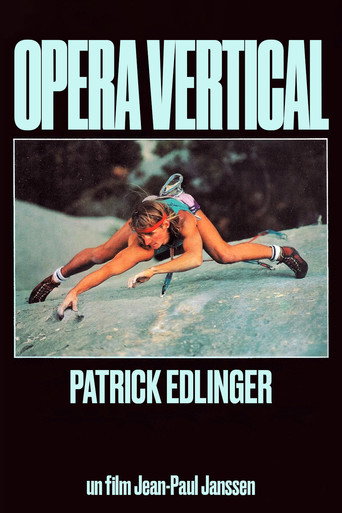
Vertical Opera is a documentary film directed by Jean-Paul Janssen, with climbers Patrick Edlinger and Jean-Paul Lemercier in the Gorges du Verdon. The film opens with a training sequence of Patrick Edlinger then he links the routes with Jean-Paul Lemercier "L'Ange en décongelation" (7a), in which he falls voluntarily to demonstrate the usefulness of the rope, then "Le Septième Saut" (7b+). Finally, the final scene, an anthology, consists of a close-up of Edlinger who climbs free solo and barefoot the route "Débiloff", still in the Verdon, above hundreds of meters of void, all to lyrical music. It is "Wie Furchtsam Wankten Meine Schritte", the aria for alto voice from Johann Sebastian Bach's cantata BWV 33, music not unrelated to the subject of the documentary: "How faltering and fearful my steps were".
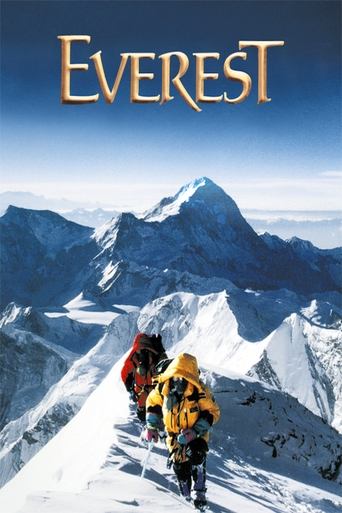
An international team of climbers ascends Mt. Everest in the spring of 1996. The film depicts their lengthy preparations for the climb, their trek to the summit, and their successful return to Base Camp. It also shows many of the challenges the group faced, including avalanches, lack of oxygen, treacherous ice walls, and a deadly blizzard.
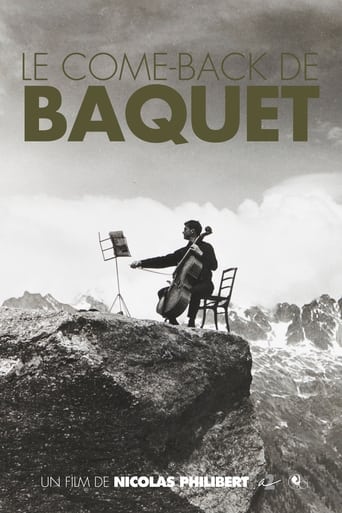
July 1956: like every summer, the actor and cellist Maurice Baquet temporarily deserts the stage and the cinema studios to go to Chamonix where the mountaineer Gaston Rebuffat is waiting for him. A few days later, the two men achieved a historic first, that of the south face of the Aiguille du Midi (3,842 m), a magnificent wall rising like a rampart above the Vallée Blanche. July 1988: to pay tribute to the memory of his friend Gaston, now deceased, Maurice Baquet once again climbed this wall suspended between heaven and earth with the man who, 50 years his junior, is considered one of his best contemporary mountaineers: Christophe Profit.
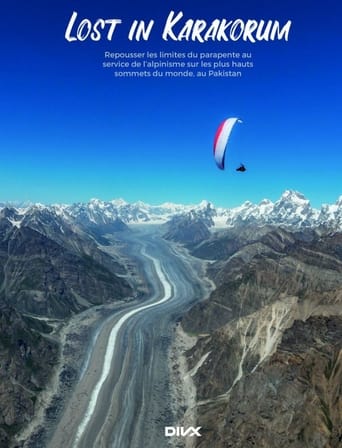
The epic 1500km bivouac flight of Damien Lacaze and Antoine Girard, two French paragliders and mountaineers, through the heart of the Himalayas and the Karakoram ranges. This journey is actually a prelude and acclimatization for their attempt to climb Spantik (7027m) from the nearest town in two days, using only paragliders. Is it truly feasible? What are the limitations of such an ascent? Can they earn a living from it?