

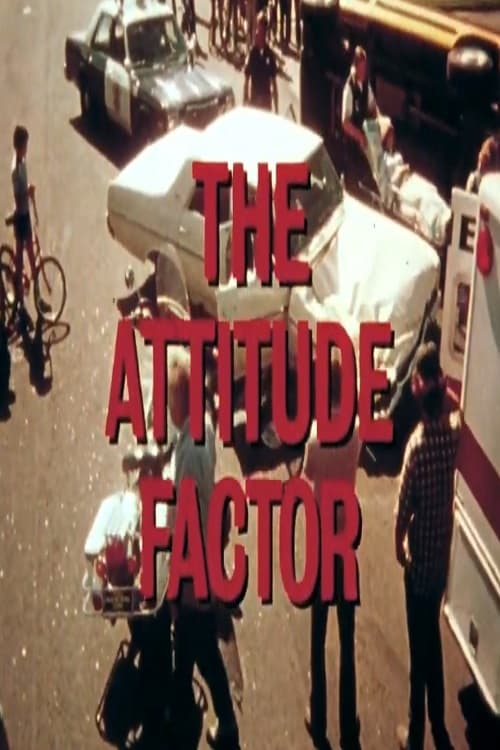
The Attitude Factor
Documentary
Overview
A 1981 educational film about the perils of school bus drivers having a bad attitude while on the job. Follow Barbara, a model employee... until she developed a bad attitude and let it effect her job performance.
Top Cast






Mary Seibel
Mary Seibel
Barbara Blackstone
Mary Seibel
Barbara Blackstone
Similar Movies

The film "And Then It Happened" follows two school bus drivers known for their safety records. During routine rides, a series of distractions and misbehaviors from the students lead to a disastrous accident, injuring several classmates. The narrative explores the challenges of managing rowdy children on a bus and the consequences of their actions, highlighting the importance of safety and the hidden struggles of the students.
Discusses strategies for police officers to anticipate and respond to ambush situations. It highlights the importance of planning, training, and teamwork in counter-ambush tactics. The text emphasizes the need for officers to remain vigilant, vary their routines, and utilize effective communication to minimize risks during potential threats.
Since the renewed Intifada began in 2000, there have been over 75 Palestinian suicide bombings. This is the story of 0ne-the bombing of bus 32 in Jerusalem in June 2002. The film connects the stories of a group of ordinary Israelis-Jews and Arabs. Each of them holds a clue to someone who died that day.
Discusses the effects of alcohol on the brain and behavior, particularly in relation to driving. It explains how alcohol impairs judgment, perception, coordination, and vital functions by affecting different brain regions. Factors influencing blood alcohol concentration (BAC) include the amount consumed, body size, sex, and the rate of consumption. The video also debunks myths about sobering up and emphasizes the importance of allowing time for alcohol to metabolize before driving. Even at BAC levels considered legally impaired, individuals may not recognize their diminished capabilities.
Discusses the dangers of accidental poisoning, particularly in children, due to household substances like cleaners and medications. It emphasizes the importance of identifying the product involved in the poisoning, recognizing symptoms, and taking immediate action. Key steps include diluting the poison with milk or water, calling for medical assistance, and bringing the poison container to the hospital. The document also highlights the risks of drug misuse and inhalation of toxic fumes, urging quick responses to emergencies.