

Law and Order
Documentary
Overview
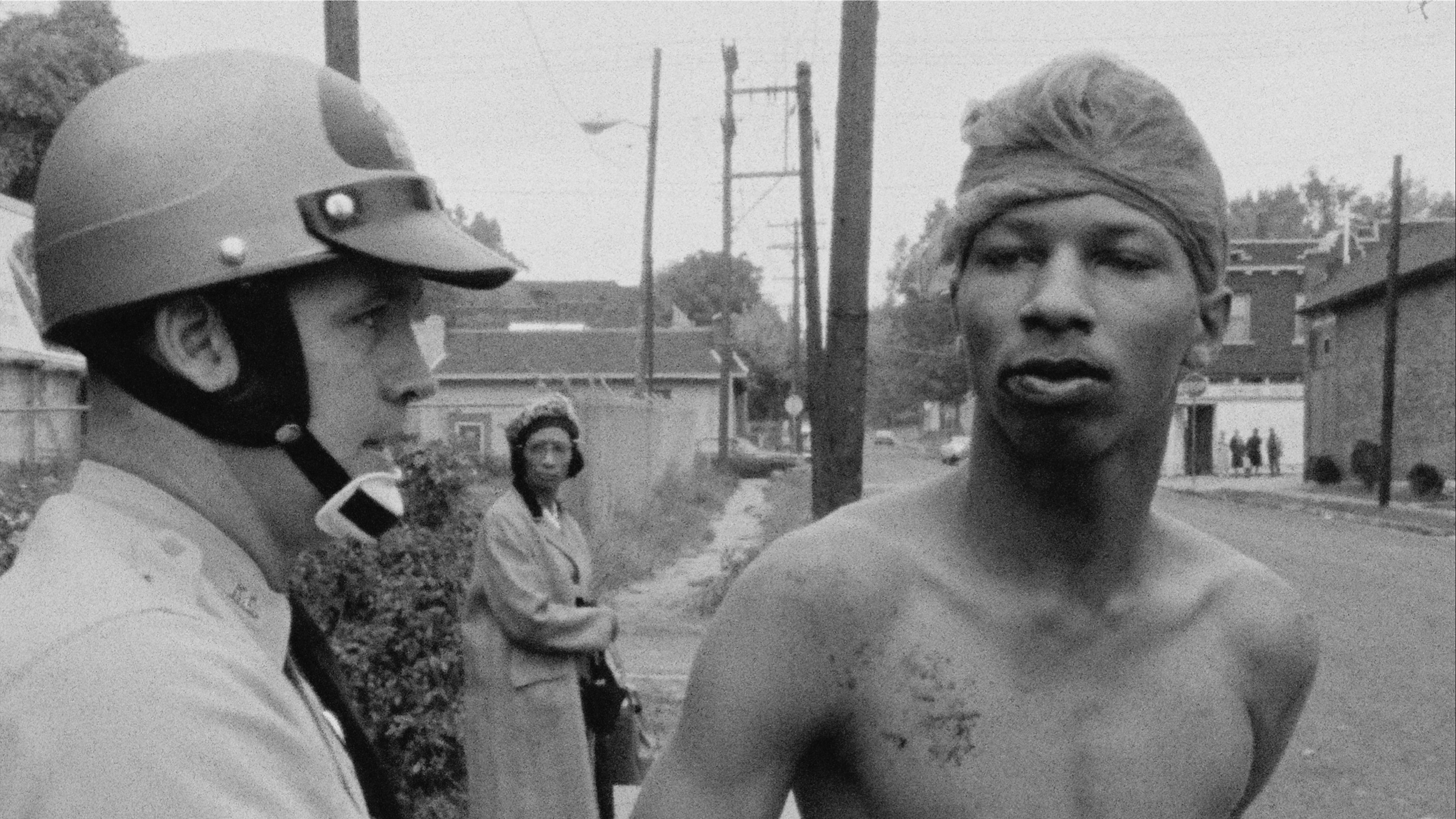
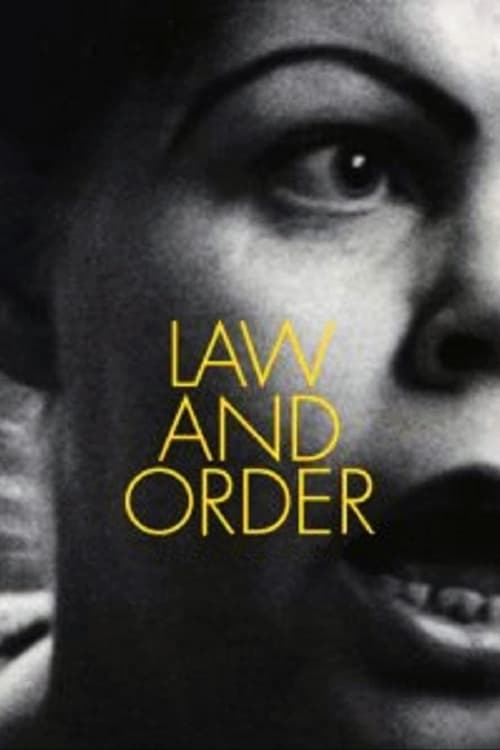
LAW & ORDER surveys the wide range of work the police are asked to perform: enforcing the law, maintaining order, and providing general social services. The incidents shown illustrate how training, community expectations, socio-economic status of the subject, the threat of violence, and discretion affect police behavior.
Top Cast



Richard Nixon
Richard Nixon
Self - president
Richard Nixon
Self - president
Similar Movies
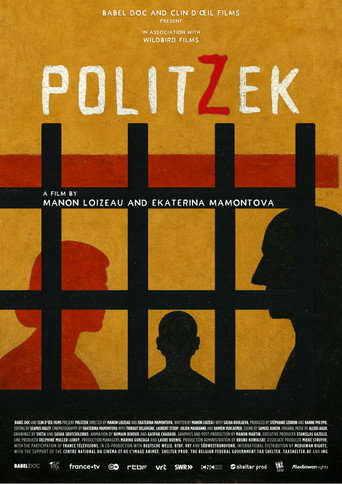
In Russia, criticizing the war in Ukraine or Vladimir Putin’s regime has become a crime. Thousands of ordinary citizens are being arrested, tried, and imprisoned. They are called “Politzek”: political prisoners. Filmed clandestinely over the course of more than a year, Politzek gives a platform to those who, despite the fear, continue to speak out against Putin’s repressive Russia. Through the intersecting stories of a teenager sentenced to five years in prison for criticizing the government on social media, a young artist jailed for placing anti-war stickers, a human rights activist, and two theater directors facing Kafkaesque trials, the film unveils the machinery of state repression in Russia. With rare footage, broken yet unyielding voices, this is a story of silenced resistance.
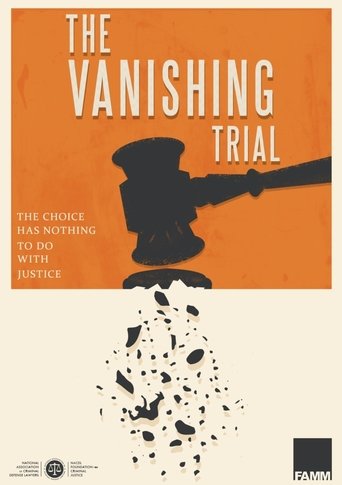
“The Vanishing Trial” looks into “trial penalty,” the term used to describe the substantially longer prison sentence a person receives if they exercise their constitutional right to trial instead of plead guilty. The documentary focuses on four individuals who were forced to make that excruciating choice.
Each year, every French citizen has a one in 1,300 chance of receiving a summons to jury service from the Ministry of Justice. Ten former jurors recall being selected, hearing evidence, deliberating, and reaching a verdict: an examination of our society’s civil duty to pass judgement on the most serious cases.
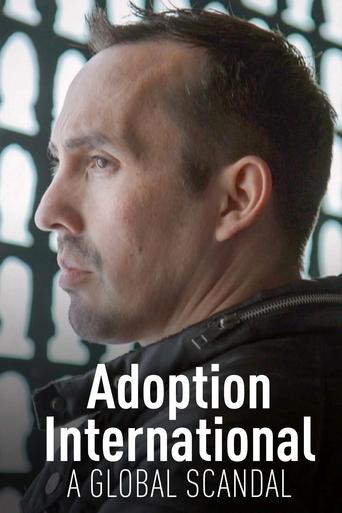
In the collective imagination, international adoption evokes images of children being saved from a life of destitution in poorer countries by being adopted by families in Europe or America. But the reality that has emerged is one of child trafficking, falsified documents and governments around the world turning a blind eye.
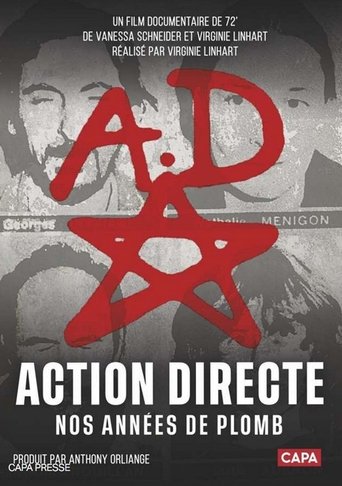
Between 1979 and 1987, a far-left group wreaked havoc across France. Robberies, bombings, assassinations. They struck hard and disappeared in a cloud of explosives, leaflets scattered in the wind, and relentless ideological demands. Their name? Action Directe. More than 80 attacks, 26 wounded, and 12 dead in less than ten years. Stunned French citizens discovered posters plastered everywhere showing portraits of these young women and men who looked like everyone else and whom nothing seemed to be able to stop. A long and intense manhunt began, culminating in the arrest of the group's leadership.

Can you be accused of being close to ‘ndrangheta families if you have pursued a career in the name of legality? The case of Ambrogio Crespi is much more than a judicial case; it is the answer to these unthinkable questions. It is the paradox that becomes reality. Accused of external complicity in mafia association, he is arrested and tried for having provided votes from mafia circles to a councilor Lombardo… never seen, never known. Although it seemed clear even to the insiders that Ambrogio Crespi was not involved in the charges, the first degree ends with an incredible sentence of 12 years, double the request of the same PM. A sentence that, like a guillotine, weighs on the life of Ambrogio and his entire family.