

294 statečných
Drama
Overview
T. Dianiška's documentary fiction from behind the scenes of the assassination of R. Heydrich, in which the real story is intertwined with comic exaggeration, pop culture references, and harsh humor. 294 Brave Men was written by Tomáš Dianiška for the Divadlo po Palmovkou theater, where he also staged it with the local ensemble. As the title of the play suggests, the protagonists of Operation Anthropoid are not the main heroes in this case. 294 Brave Men refers to the people from the domestic resistance who paid with their lives for helping the paratroopers and whose names are now borne by streets in Libeň and the surrounding Prague districts. T. Dianiška treats historical facts with respect, but at the same time quite freely, and he depicts the background of "the greatest heroic deed in our history" with the help of humor, often very dark humor.



Kamila Trnková
Kamila Trnková
Kamila Trnková
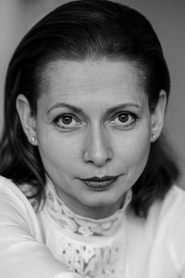
Gabriela Míčová
Gabriela Míčová
Gabriela Míčová

Denis Šafařík
Denis Šafařík
Denis Šafařík

Ivana Wojtylová
Ivana Wojtylová
Ivana Wojtylová

Denny Ratajský
Denny Ratajský
Denny Ratajský
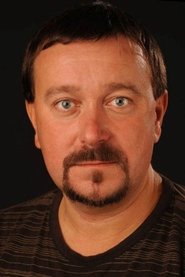
Martin Hruška
Martin Hruška
Martin Hruška
Daniel Krečmar
Daniel Krečmar
Daniel Krečmar
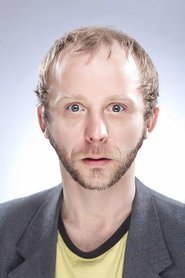
Jakub Albrecht
Jakub Albrecht
Jakub Albrecht

Ondřej Veselý
Ondřej Veselý
Ondřej Veselý

Adam Vacula
Adam Vacula
Adam Vacula
Similar Movies
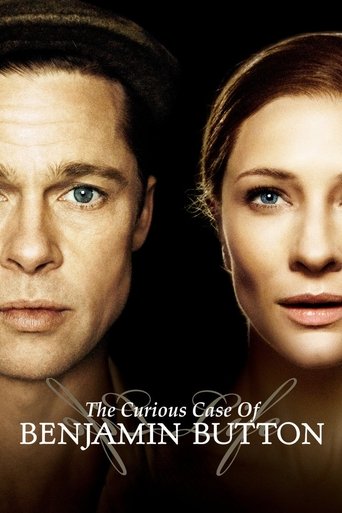
Born under unusual circumstances, Benjamin Button springs into being as an elderly man in a New Orleans nursing home and ages in reverse. Twelve years after his birth, he meets Daisy, a child who flits in and out of his life as she grows up to be a dancer. Though he has all sorts of unusual adventures over the course of his life, it is his relationship with Daisy, and the hope that they will come together at the right time, that drives Benjamin forward.

Inspired by the work of Bertolt Brecht and filmed in Porto's former industrial slaughterhouse, A Santa Joana dos Matadouros is a meta-cinematic essay about the labor market in times of economic crisis in Europe. The film explores the possibilities of cinema in its relationship with theater and brings together a cast of professional actors, amateurs, renowned artists from various disciplines, and a group of unemployed residents of Vale de Campanhã.

Opera in three acts, a prologue and an epilogue, by Jacques Offenbach (1819-1880), with a libretto in French by Jules Barbier (1825-1901), based on a work that Barbier himself and Michel Carré (1821-1872) had written based on stories by E.T.A. Hoffmann (1776-1822). Approximate duration: 2 h 45 min Recommended for those over 15 years old. The young poet Hoffmann, accompanied by Nicklausse, his alter ego and confidant, is in a tavern next to the theatre where Mozart's Don Giovanni is being performed. During the opera's intermission, some diners arrive at the bar who, upon seeing the poet, encourage him to sing and tell them the story of his famous love affairs. Hoffmann finally gives in and shares with them the stories of Olympia, Antonia and Giulietta. They, absorbed in the poet's stories, remain in the tavern, forgetting about the opera performance.
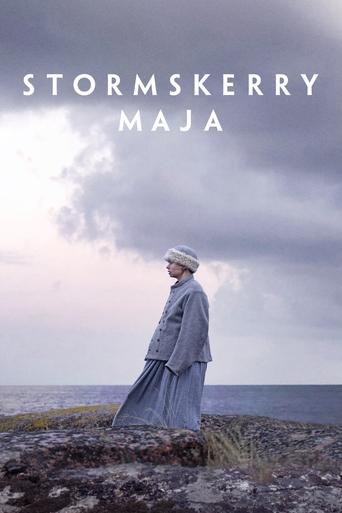
Maja and Janne move to the barren and remote island of Stormskerry, where survival is a daily struggle. Growing up in a world of old values, Maja becomes aware of a new era: a woman can be an equal partner instead of a mere bystander. The couple have children, and life is good until trouble sets in: war arrives on the island, Janne is forced to flee from the English troops, and Maja and the children are imprisoned. The family also faces many financial difficulties and death. Years pass, but Maja remains strong and stays in Stormskerry despite all the hardships and difficulties.