


Le Jeu de la mort
Documentary
Overview
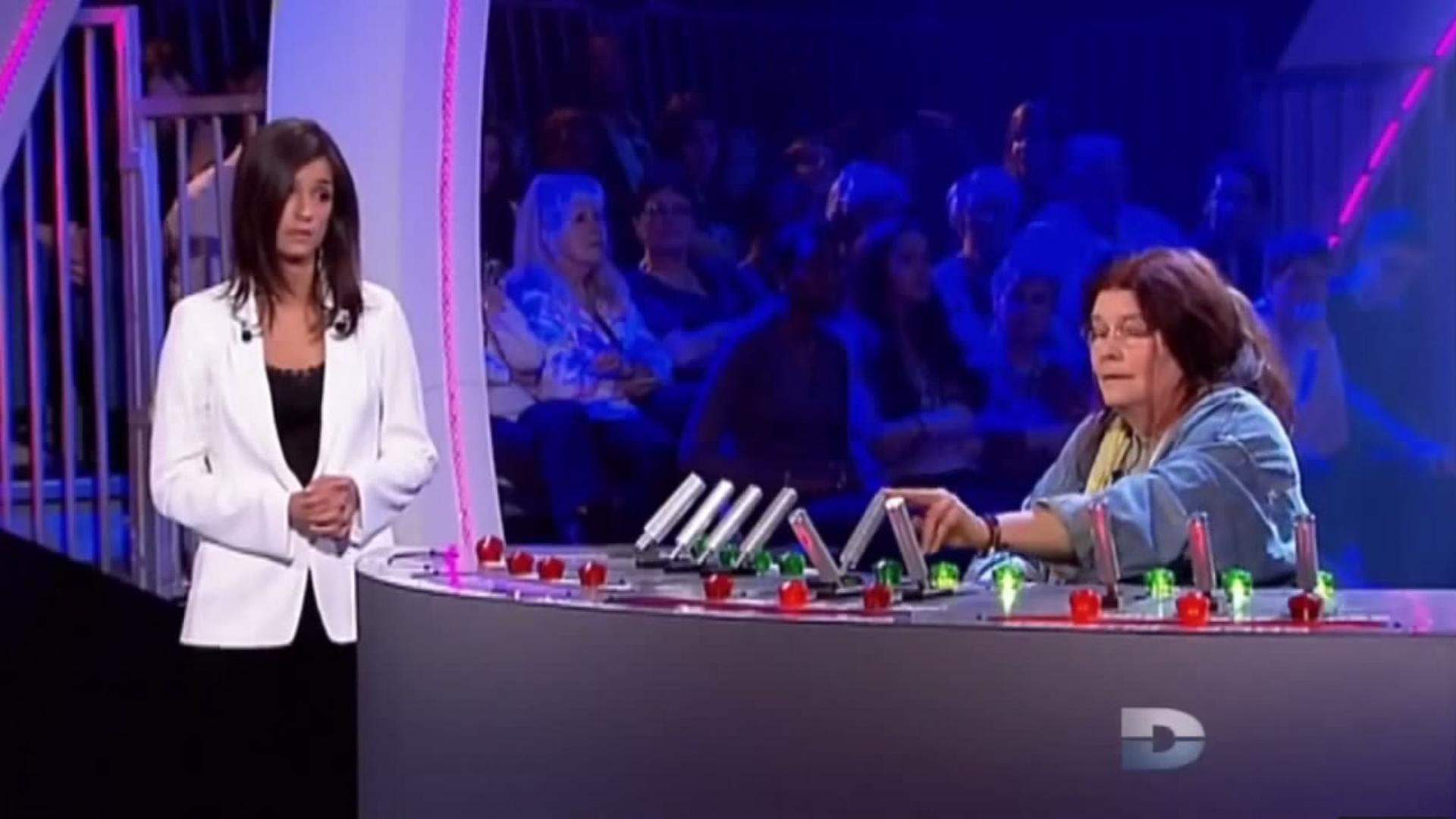
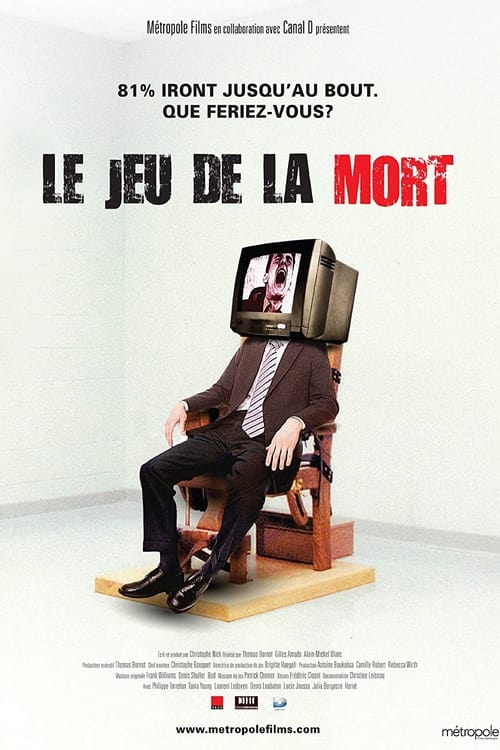
The Game of Death is a documentary co-produced by France Télévisions and Radio Television Switzerland1 in 2009 and staging a fake game show (The Xtreme Zone) during which a candidate must send electric shocks increasingly strong candidate to another until voltages that can cause death. The staging reproduces the Milgram experiment carried out initially in the United States in 1960 to study the influence of authority on obedience: electric shocks are fictitious, an actor pretending to suffer, and objective is to test the ability to disobey the candidate who inflicts this treatment and who is not aware of the experiment. The notable difference with the original experience is that scientific authority is replaced by a television presenter, Tania Young.








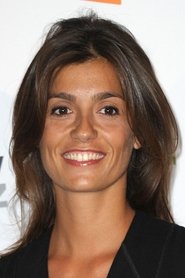
Tania Young
Tania Young
L'animatrice
Tania Young
L'animatrice
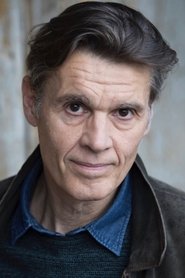
Laurent Ledoyen
Laurent Ledoyen
Jean-Paul
Laurent Ledoyen
Jean-Paul
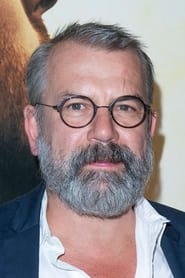
Philippe Torreton
Philippe Torreton
Voix off
Philippe Torreton
Voix off
Similar Movies
An exploration —manipulated and staged— of life in Las Hurdes, in the province of Cáceres, in Extremadura, Spain, as it was in 1932. Insalubrity, misery and lack of opportunities provoke the emigration of young people and the solitude of those who remain in the desolation of one of the poorest and least developed Spanish regions at that time.
A conflicted gay man struggles to teach his younger self about the challenges of adult life. Searching for answers inside stories from his past, he must confront his nature and the man he will become. Documentary meets musical feature in this experimental coming of age drama about power and masculinity in modern day Australia.
Since the enactment of the Anti-Boryokudan Act and Yakuza exclusion ordinances, the number of Yakuza members reduced to less than 60,000. In the past 3 years, about 20,000 members have left from Yakuza organizations. However, just numbers can’t tell you the reality. What are they thinking, how are they living now? The camera zooms in on the Yakuza world. Are there basic human rights for them?
Priests, theologians and bishops are increasingly confessing that the majority of clergy no longer keep celibacy. They condemn the institution of the church and its treatment of priests. And they refuse to obey the ecclesiastical laws imposed by the Vatican. They no longer want to keep their private lives secret. Many are calling for an end to compulsory celibacy.
MOLE MAN follows RON, a 66-year-old autistic man who has spent the last five decades building a 50-room structure in his parents' backyard. Using no nails or mortar, Ron instead creates perfectly balanced structures from scavenged materials he finds in the woods outside his Western Pennsylvania home. When Ron's father passes away, leaving him living alone with his 90-year-old mother, Ron's siblings are left to figure out what's best for Ron - who has never been officially diagnosed with autism - when his mother can no longer care for him. In an effort to find the money to keep Ron in his home, his friends team up in search of a mythical mansion Ron insists lays abandoned in the forest. But will they be able to find it? And, more importantly, does it even exist? This is the story of an extraordinary life, a family, and the beauty of thinking differently.
"I often say sociology is a martial art, a means of self-defence. Basically, you use it to defend yourself, without having the right to use it for unfair attacks." (Pierre Bourdieu) The world has witnesses who speak out loud what others keep to themselves. They are neither gurus, nor masters, but those who consider that the city and the world can be thought out. The sociologist, Pierre Bourdieu is one such witness." Over a three- year period, Pierre Carles' camera followed him through different situations: a short conversation with Günter Grass, a lively conference with the inhabitants of a working-class suburb, his relations with his students and colleagues and his plea that sociology be part of the life of the city. His thinking has a sort of familiarity, which means it is always within our reach. It is the thinking of a French intellectual who has chosen to think his times.