

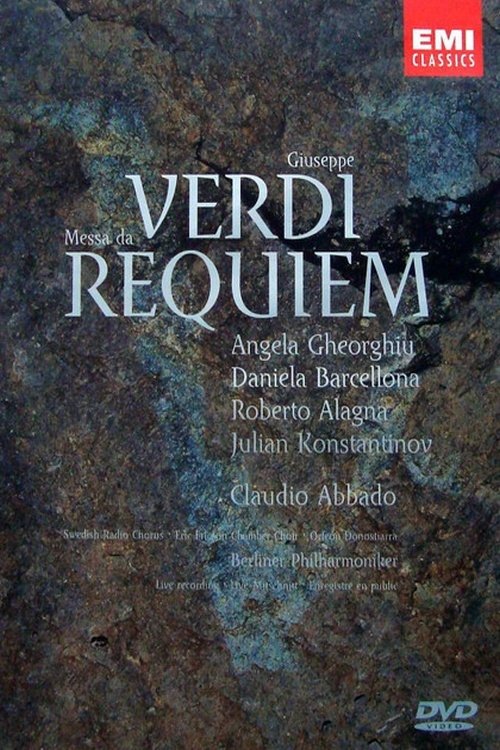
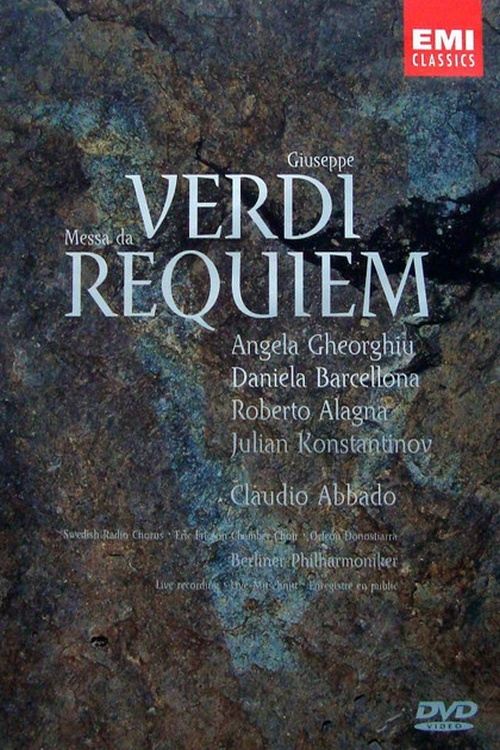
Giuseppe Verdi Messa da Requiem
Music
Overview
Claudio Abbado, conductor; Angela Gheorghiu, soprano; Daniela Bercellona, mezzo-soprano; Roberto Alagna, tenor; Julian Konstantinov, bass. Swedish Radio Chorus, Eric Ericson Chamber Choir, Orfeon Nonostiarra, Berliner Philharmoniker. Live recording at performances to mark the centenary of Verdi's death. Jan. 25 & 27, 2001.
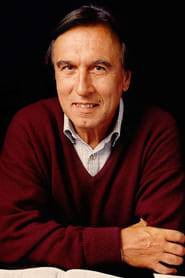
Claudio Abbado
Claudio Abbado
Self - conductor
Claudio Abbado
Self - conductor
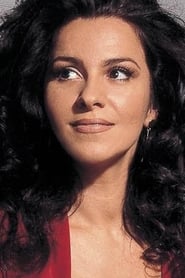
Angela Gheorghiu
Angela Gheorghiu
Self - soprano
Angela Gheorghiu
Self - soprano
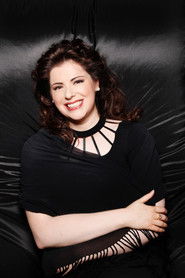
Daniela Barcellona
Daniela Barcellona
Self - mezzo-soprano
Daniela Barcellona
Self - mezzo-soprano

Roberto Alagna
Roberto Alagna
Self - tenor
Roberto Alagna
Self - tenor
Julian Konstantinov
Julian Konstantinov
Self - bass
Julian Konstantinov
Self - bass
Similar Movies

Nabucco, King of Babylon, takes Jerusalem in his war with the Israelites – but his daughter Fenena loves the Israelite Ismaele. She releases their prisoners, leading her vengeful half-sister Abigaille to plot to take power. Nabucco declares himself a god and is struck by a bolt of lightning. Abigaille tricks the now feeble king into signing a death warrant for the Israelites, including Fenena and Ismaele. Nabucco prays to the God of Israel for forgiveness; his sanity is restored and he saves the prisoners from death. He converts himself and his people, while Abigaille commits suicide.
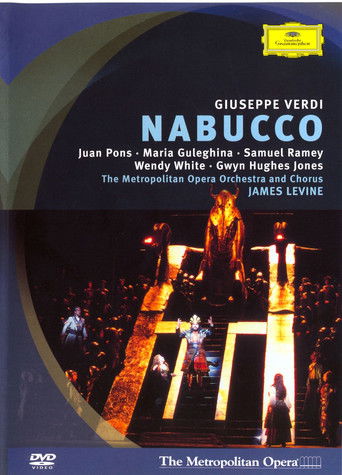
Nabucco - live from Metropolitan Opera, June 2002. On its surface, Nabucco is about the epic struggle of Zaccaria and the Jews suppressed by Babylon’s King Nebuchadnezzar and his vengeful daughter, Abigaille. But to Italians fighting for their freedom from Austria, Verdi’s first great opera was an inspiring call to arms.
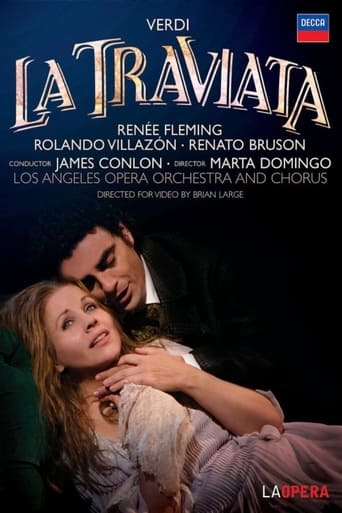
This superb 2006 production of the Los Angeles Opera's La Traviata stars Renée Fleming, who joins the ranks of the elite handful of sopranos whose vocal and acting talents make their portrayals memorable. Her Violetta Valéry is a vulnerable figure torn between self-indulgence and love, sacrificing personal happiness to become a victim of the social mores of mid-19th-century bourgeois France. Fleming's acting captures the complexity of the character and her vocalism is flawless. She negotiates the wild coloratura of Act One with aplomb, and is stunning in the lyric passages that pervade the opera, and touching in her scenes with her lover, Alfredo, and his father. Her singing is free of the mannerisms that have sometimes crept into her work and at the same time she brings countless personal touches to the role, phrasing and verbal emphases that shed fresh light on the character.
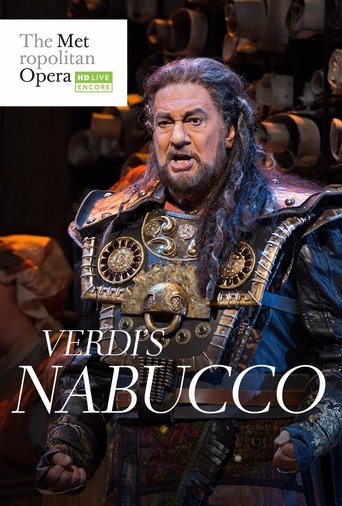
The legendary Plácido Domingo brings another new baritone role to the Met under the baton of his longtime collaborator James Levine. Liudmyla Monastyrska is Abigaille, the warrior woman determined to rule empires, and Jamie Barton is the heroic Fenena. Dmitri Belosselskiy is the stentorian voice of the oppressed Hebrew people.
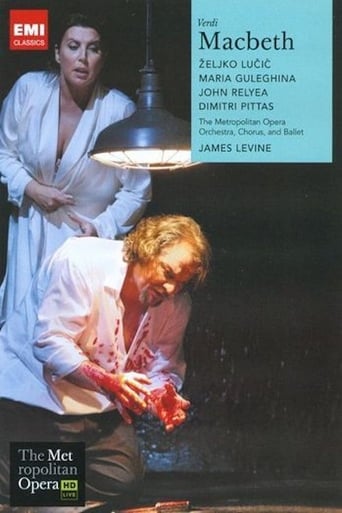
Verdi’s admiration for Shakespeare led to such masterpieces as Othello and Falstaff, and if the earlier Macbeth isn’t on their exalted level it’s still a powerfully dramatic opera that hews closely to the original’s story line. The MET’s production retains the dark aura of the opera while updating it to a vaguely post-modern context. So the witches are bag ladies in various stages of decrepitude, with children in tow. The Banquet Scene features lowered chandeliers, a plethora of chairs, and a slew of extras dressed in tuxedos and party gowns. Macbeth sports a leather coat, the soldiers are in drab brown uniforms and seem to have fingers on their triggers even when they’re supposed to be in non-threatening situations. Director Adrian Noble also has Lady Macbeth do an inordinate amount of writhing around and singing from a lying-down position, adding to the feeling that a less interventionist directorial hand might have generated more impact.
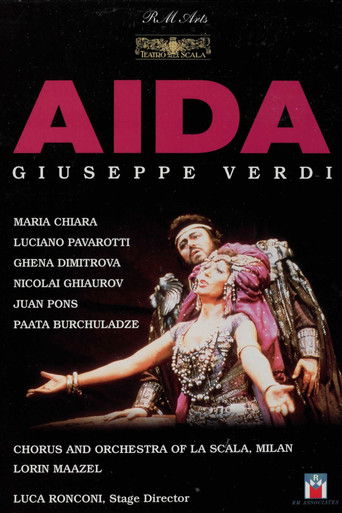
La Scala went all out for its 1986 production of this grandest of grand operas, with a strong cast and, most important for a video recording, a larger-than-life staging. The Triumph Scene in Act II is by no means Aida's only attraction, but it is the part that makes the strongest and most lasting impression and it is the visual and musical climax of this production. Stage director Luca Ronconi brings on a procession to dwarf all processions: looted treasures, heroic statuary, miserable captives struggling under the lash of whip-bearing slave drivers. On par with these visuals is Lorin Maazel's first-class performance of the popular Grand March with the outstanding La Scala chorus and orchestra. In Act III, the contrasting tranquility of the Nile Scene also gets a visual treatment to match the music's qualities.
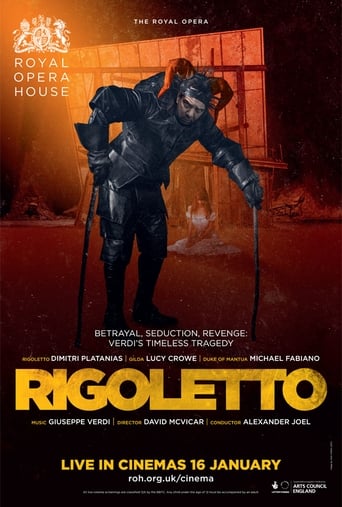
Rigoletto, court jester to the libertine Duke of Mantua, is cursed by the father of one of the Duke’s victims for his irreverent laughter. When the Duke seduces Rigoletto’s daughter Gilda, it seems the curse is taking effect… Rigoletto arranges to have the Duke assassinated. But Gilda still loves the womanizing Duke and sacrifices herself in his place. Rigoletto eagerly uncovers the corpse only to find instead his fatally wounded daughter, who dies in his arms.
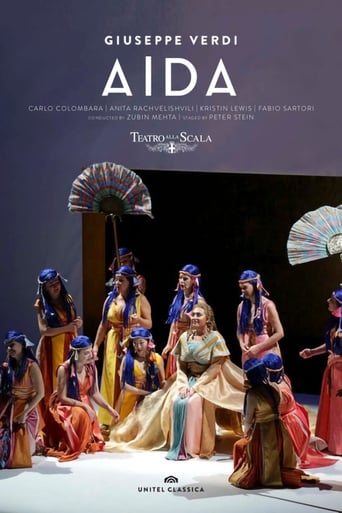
Any performance of Giuseppe Verdi’s Aida at La Scala, Milan, is guaranteed to be an experience – but, when it’s a new production, it becomes a major event, especially given the theatre’s notoriously critical audience. Legendary stage director Peter Stein succeeds in delivering a lucid production acclaimed in equal measure by the press and public: “a perfect coup de théâtre” (Giornale della musica). A “stellar cast” (La Stampa) contributes to the production’s success under the musical direction of Verdi specialist Zubin Mehta, who leads the orchestra in a “gorgeously colourful performance”, while “the entire ensemble is brilliant in its portrayal of the characters” (Die Presse).
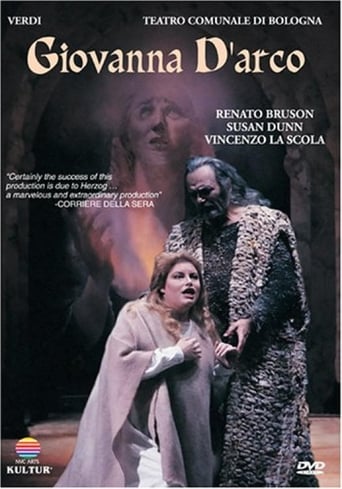
Director Werner Herzog, one of the most highly acclaimed German film makers, joins forces with the great Italian conductor Riccardo Chailly to effect a masterful rendition of this rarely-performed opera involving spectacular scenes of alternating light and dark, pageantry and intimacy. Staged and recorded at Teatro Comunale di Bologna in Bologna, Italy.