

La Traviata: Love, Death & Divas
Documentary · TV Movie
Overview
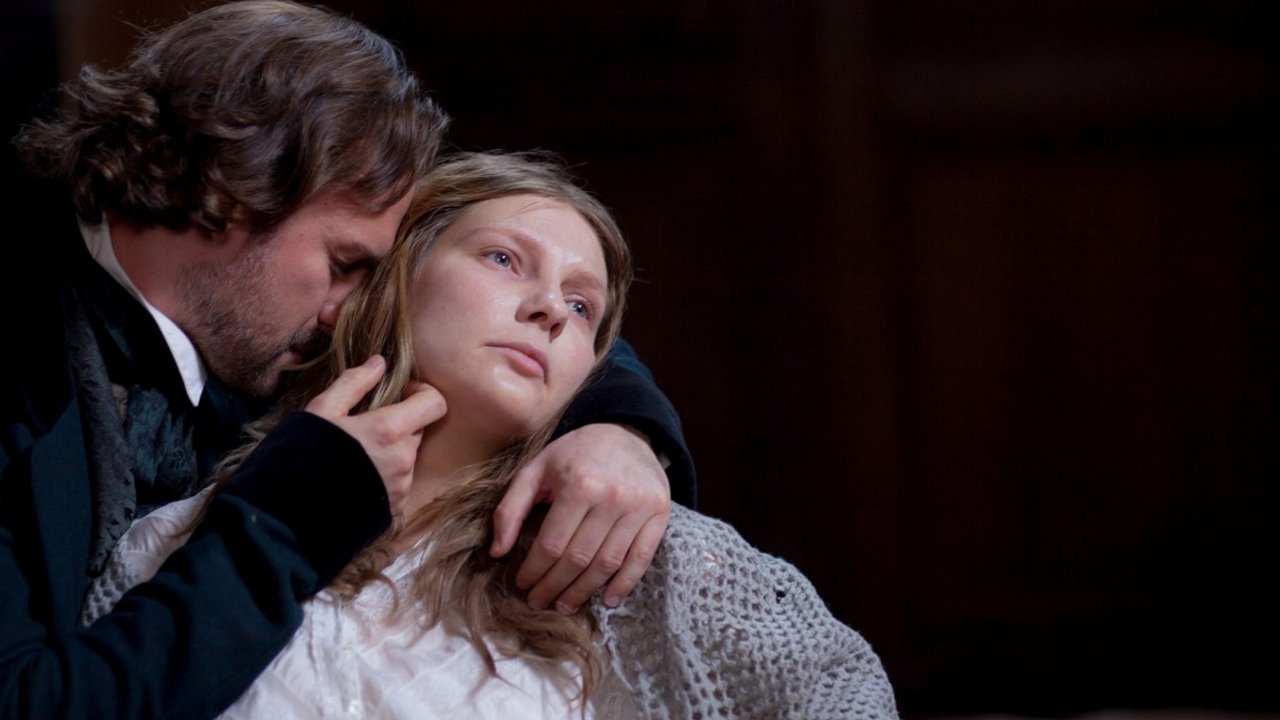
The arias of La traviata are instantly recognisable. Yet at its London premiere in 1856, it was denounced for bringing 'the poetry of the brothel' to the stage and unleashing uncomfortable truths on Victorian society.



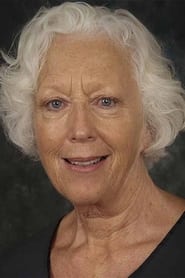
Josephine Barstow
Josephine Barstow
Self
Josephine Barstow
Self
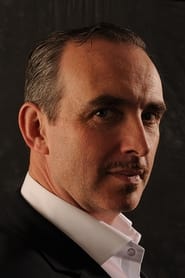
Stephen Gadd
Stephen Gadd
Germont
Stephen Gadd
Germont
Gabriela Iştoc
Gabriela Iştoc
Violetta
Gabriela Iştoc
Violetta
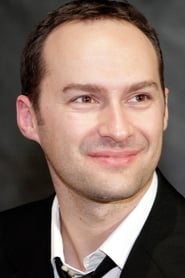
Edgaras Montvidas
Edgaras Montvidas
Alfredo
Edgaras Montvidas
Alfredo
Tom Service
Tom Service
Self - Host
Tom Service
Self - Host
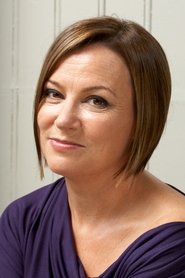
Amanda Vickery
Amanda Vickery
Self - Host
Amanda Vickery
Self - Host
Similar Movies
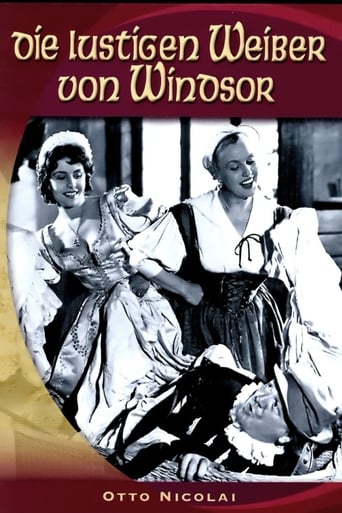
When Sir John Falstaff decides that he wants to have a little fun he writes two letters to a pair of Window wives: Mistress Ford and Mistress Page. When they put their heads together and compare missives, they plan a practical joke or two to teach the knight a lesson. But Mistress Ford's husband is a very jealous man and is pumping Falstaff for information of the affair. Meanwhile the Pages' daughter Anne is besieged by suitors.
A look at the entire process of creating and developing Patrice Chéreau’s third staging of "In the Solitude of Cotton Fields" by Bernard Marie Koltès with Pascal Greggory and Chéreau himself. From the first reading around the table through the first contact with the performance space, rehearsals and lighting to opening night, the entire creative process unfurls in front of our eyes. The film shows us the evolving and ongoing dialogue between Greggory and Chéreau, a dialogue full of crises and magical moments of harmony and insight via which the truth, intensity, complexity, mystery and depth of Koltès’ text gradually emerge to form an implicit bond between these two men. The film also shows Chéreau directing rehearsals for Mozart’s "Don Giovanni" in Salzburg, revealing both the unity of and profound differences between his opera and theater work.
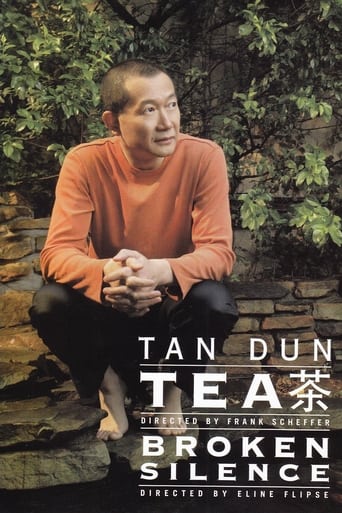
Director Scheffer registered a performance of the Tea Opera by Chinese composer Tan Dun (who won an Oscar in 2001 with his score for Crouching Tiger, Hidden Dragon). Scheffer interlaces the images with interviews with Dun, stage director Pierre Audi and librettist Xu Ying, about the opera and the role tea and oriental philosophy play in this work. Using monochrome, sometimes abstract images (in yellow, blue, red and green), close-ups of plants and flowers and images of the Chinese nature and people (sometimes accelerated or decelerated, sometimes in black-and-white), he mirrors the stylised opera performance and Dun's reflective music.
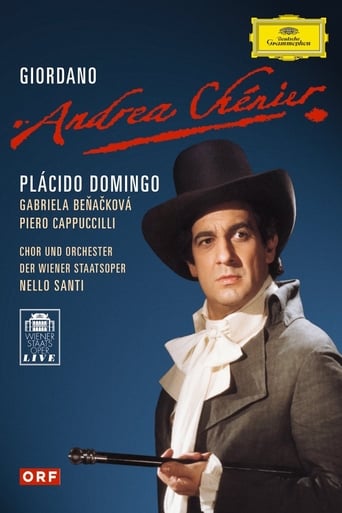
Although Domingo was younger and Banackova looked more like the sweet and innocent young Madalena than the one played by Tomowa-Sintow in the ROH production, this production was not as good. It was not as tight and neat. The tempo set was far too slow for the time-period of the story. The stage setting was distracting. The lighting was too dark. Except Domingo, a natural actor who was always into his role and sings and acts with passion, none of the other performers came up with a convincing portrayal of the role he/she played.
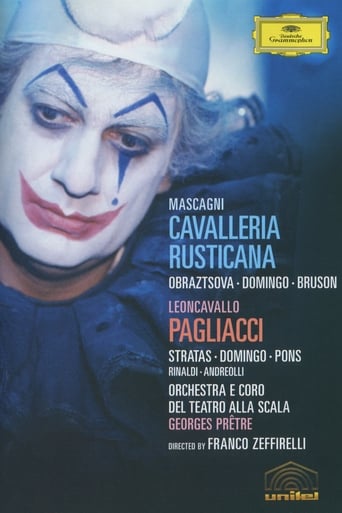
Franco Zeffirelli directs these two legendary La Scala productions telling tragic tales of jealousy. Mascagni's Cavalleria Rusticana features performances by Elena Obraztsova, Plácido Domingo, and Renato Bruson. Leoncavallo's I Pagliacci stars Teresa Stratas, Plácido Domingo, and Juan Pons. Both are conducted by George Pretre. This production of Pagliacci earned director Franco Zeffirelli the coveted Emmy as Best Director in the category of Classical Music Programming.
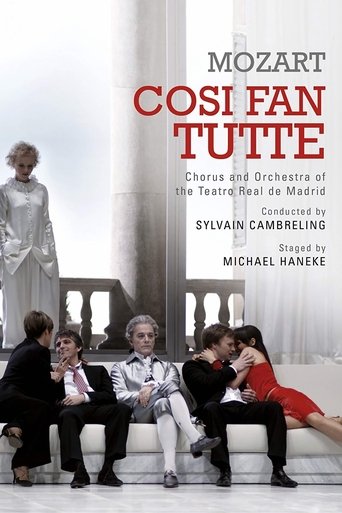
Who loves whom in Così fan tutte, Mozart’s and Da Ponte’s cruelly comic reflection on desire, fidelity and betrayal? Or have the confusions to which the main characters subject one another ensured that in spite of the heartfelt love duets and superficially fleetfooted comedy nothing will work any longer and that a sense of emotional erosion has replaced true feelings? Così fan tutte is a timeless work full of questions that affect us all. The Academy Award-winning director Michael Haneke once said that he was merely being precise and did not want to distort reality. In only his second opera production after Don Giovanni in 2006, he presents what ARTE described as a “disillusioned vision of love in an ice-cold, realistic interpretation”.
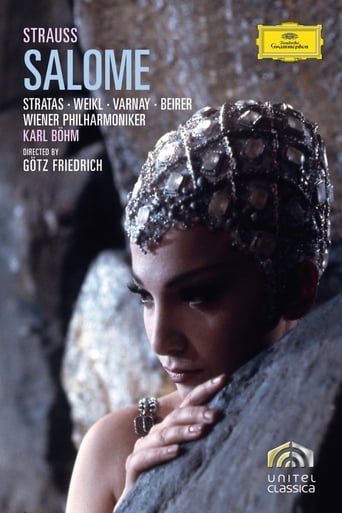
This filmed version of Strauss' shocker features Teresa Stratas as opera's most depraved teenager, and she's as perfect a Salome as one would ever hope to see or hear. Stratas inhabits the role, exploring the character's sensuousness as she vainly woos Jochanaan, her venomous hatred when she's rejected, the crazed look in her eyes when she demands his head--on a silver platter, no less. Such complete identification with a role, especially of a character so malignant helps make this 1974 Salome stand out among the many fine DVDs of the opera.