

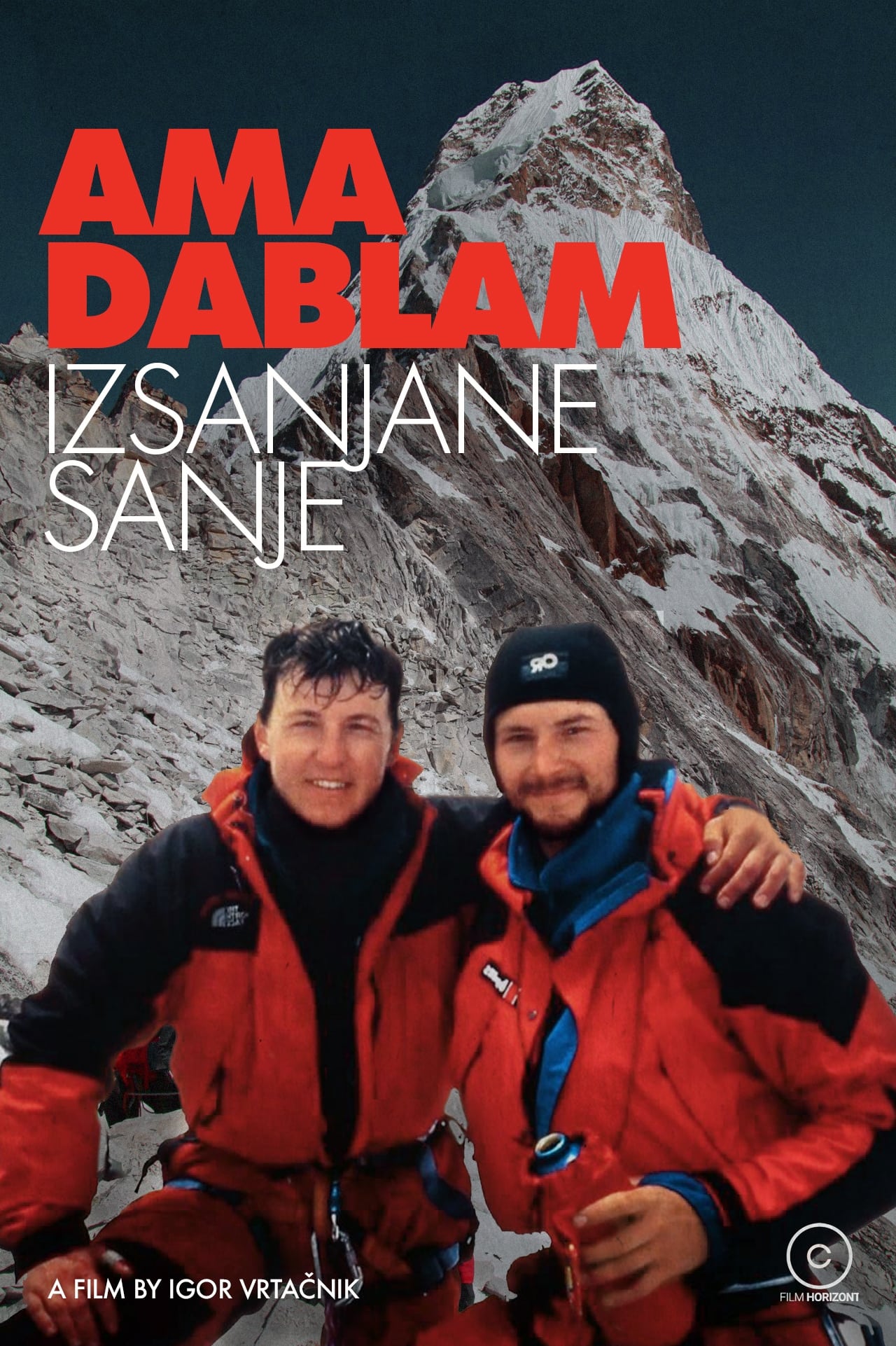
Ama Dablam, Dreams Unfolded
Documentary · Adventure · Drama
Overview
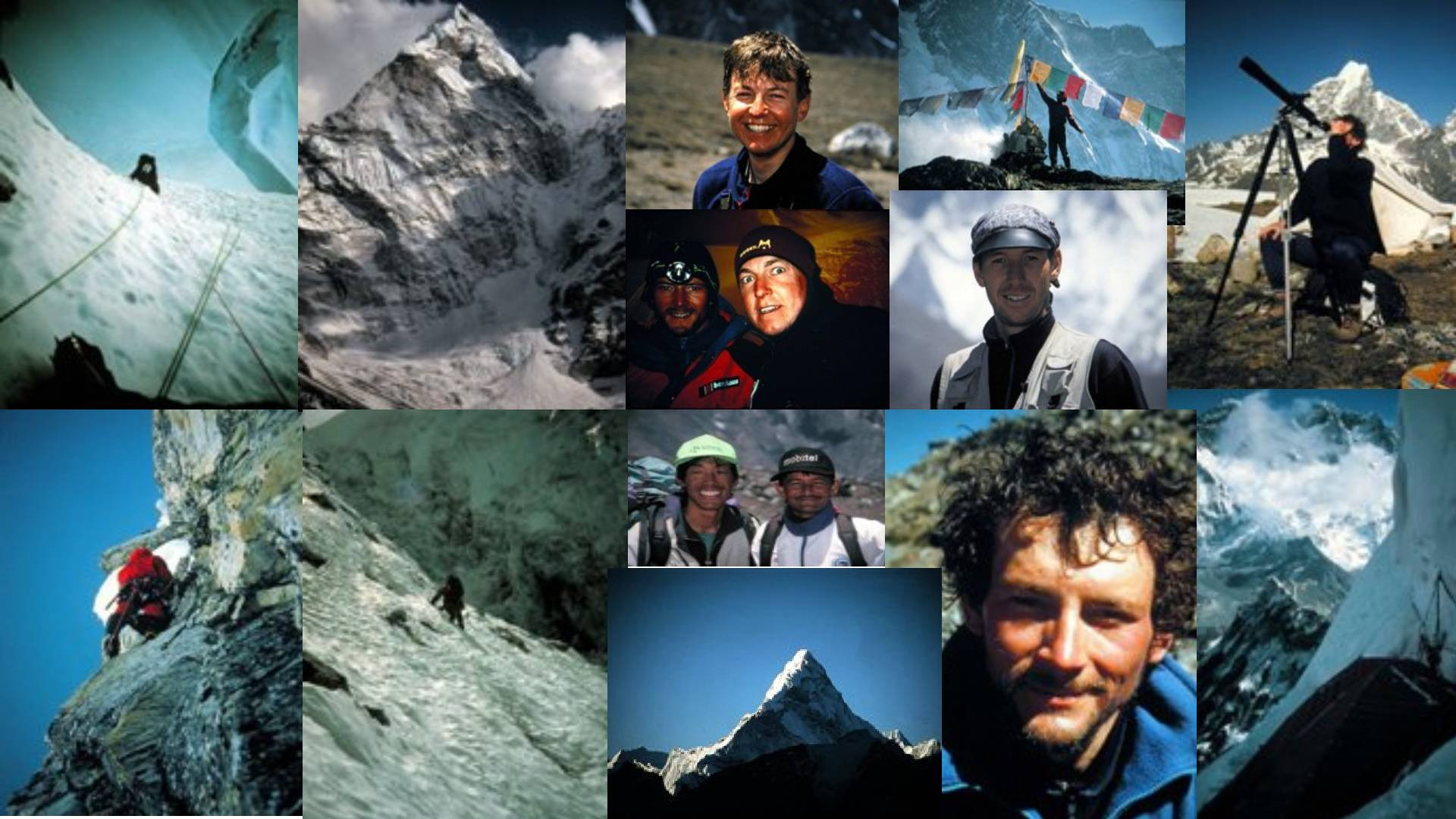
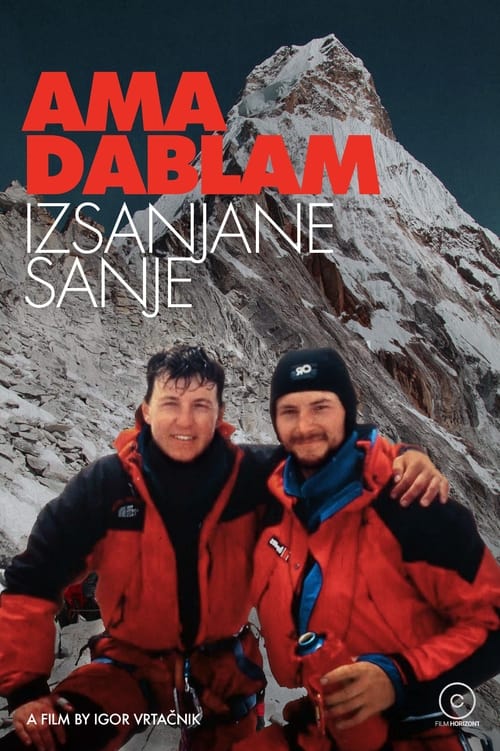
In 1996, after seven days of extremely difficult ascent, Vanja Furlan and Tomaž Humar managed to reach the summit of Ama Dablam in Nepal on the northwest face. Zvonko Požgaj, their only link to the valley, followed the events from the base camp, led and encouraged them to cross the emetre, and at the same time carefully recorded and recorded everything that happened during those days dramatic. The film about the disappearance, time, mortality, memory and eternity of the human spirit pays tribute to one of the greatest achievements of Slovenian mountaineering in the world and is dedicated to Vanja Furlan and Tomaž Humar .




Zvonko Požgaj
Zvonko Požgaj
Himself
Zvonko Požgaj
Himself

Tomaž Humar
Tomaž Humar
Himself (archive footage)
Tomaž Humar
Himself (archive footage)
Tomaž Humar Jr.
Tomaž Humar Jr.
Himself
Tomaž Humar Jr.
Himself

Vanja Furlan
Vanja Furlan
Himself (archive footage)
Vanja Furlan
Himself (archive footage)
Sandi Čop
Sandi Čop
Himself
Sandi Čop
Himself

Branko Završan
Branko Završan
Himself
Branko Završan
Himself
Similar Movies

Matti and Niila, growing up in the mid-sixties in the harsh and conservative environment of a Finnish-speaking part of Tornedalen in Swedish Laponia, close to the Finnish border. Their big dream is to become rock stars. In the present the now grown-up Matti feels guilt for the death of his drug-addicted rock star friend Niila.
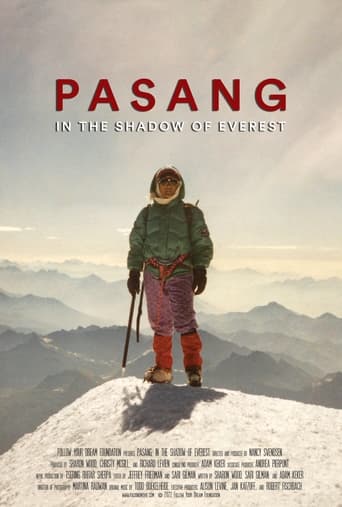
Transcending cultural barriers and consistently going against the grain, female Nepali climber Pasang Lhamu Sherpa attempted to summit Everest four times in the early nineties. Although she was not allowed to attend school as a child, Pasang did not let that stop her from pursuing her dreams. After founding her own trekking company in Kathmandu, she blazed a trail for Nepali women via her efforts to summit Everest. Proving how big you can dream and how far you can go to achieve those dreams, she left a legacy not only for the family she has left behind, but for the myriad women following in her footsteps.
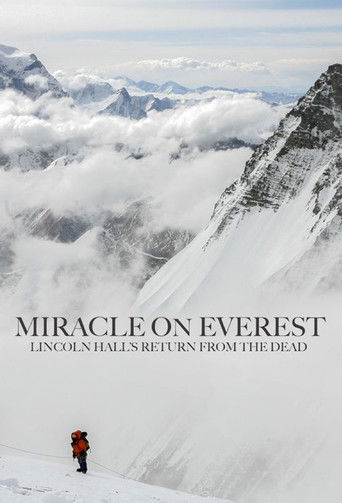
2006 was one of the deadliest Everest seasons on record. Experienced mountaineer Lincoln Hall was invited to join an expedition as a high altitude cameraman. It was his second attempt to summit the mountain, having turned back just short 22 years earlier. Shortly after reaching the summit, Hall began to behave irrationally, suffering from lack of oxygen. Aided by his loyal Sherpas for over 9 hours, he eventually collapsed and they declared him dead. His family were informed and the news hit headlines. But something happened that night that science cannot explain. The next morning Lincoln Hall was found alive by approaching climbers and his dramatic rescue began. Never before has a man been declared dead so high on Everest and survived. This is the remarkable true story of Lincoln Hall’s extraordinary journey back from beyond.

Corporate billionaire Edward Cole and working class mechanic Carter Chambers are worlds apart. At a crossroads in their lives, they share a hospital room and discover they have two things in common: a desire to spend the time they have left doing everything they ever wanted to do and an unrealized need to come to terms with who they are. Together they embark on the road trip of a lifetime, becoming friends along the way and learning to live life to the fullest, with insight and humor.
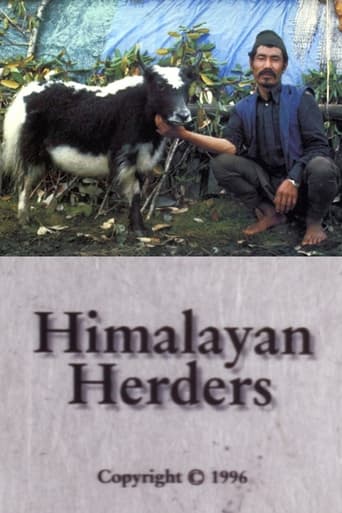
John Bishop and Naomi Bishop present a portrait a peculiar life style of the Himalayan indigenous Sherpa people in their documentary , the Himalayan Herders. The 76 minutes long film is about the diverse culture and life style of herders community near Mt. Everest region of Nepal.The film was made in 1997 as a part of Case Studies in Cultural Anthropology Series.
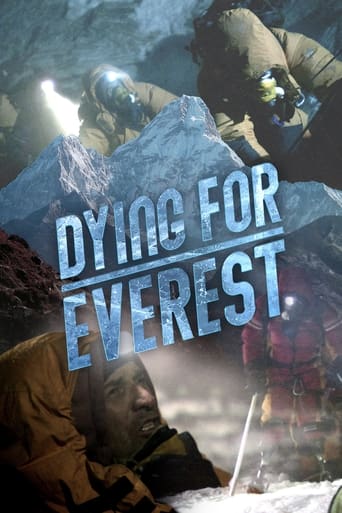
On 15 May, 2006, double amputee Mark Inglis reached the summit of Mt Everest. It was a remarkable achievement and Inglis was feted by press and public alike. But only a few days later he was plunged into a storm of controversy when it was learned that he had passed an incapacitated climber, Englishman David Sharp, leaving him to a lonely end high in the Death Zone.

Alex Txikon, internationally renowned mountaineer, is launching a new winter expedition in 2021 to Manaslu (Nepal). It is the first non-polluting ascent, powered by solar panels. With this sustainable system, which reduces the energy footprint in accordance with the Paris Agreements, the EKI Foundation is beginning its work of solidarity. Alex is going to learn about the work developed by the Foundation in Sierra Leone, where they provide solar energy systems that enable energy autonomy in schools and hospitals. Txikon proposes to replicate this idea in a very special school in the Diamer Valley in Pakistan, the Günter Mountain School, uniting two different but at the same time equal cultures.