

The Flaghoisters
Documentary
Overview
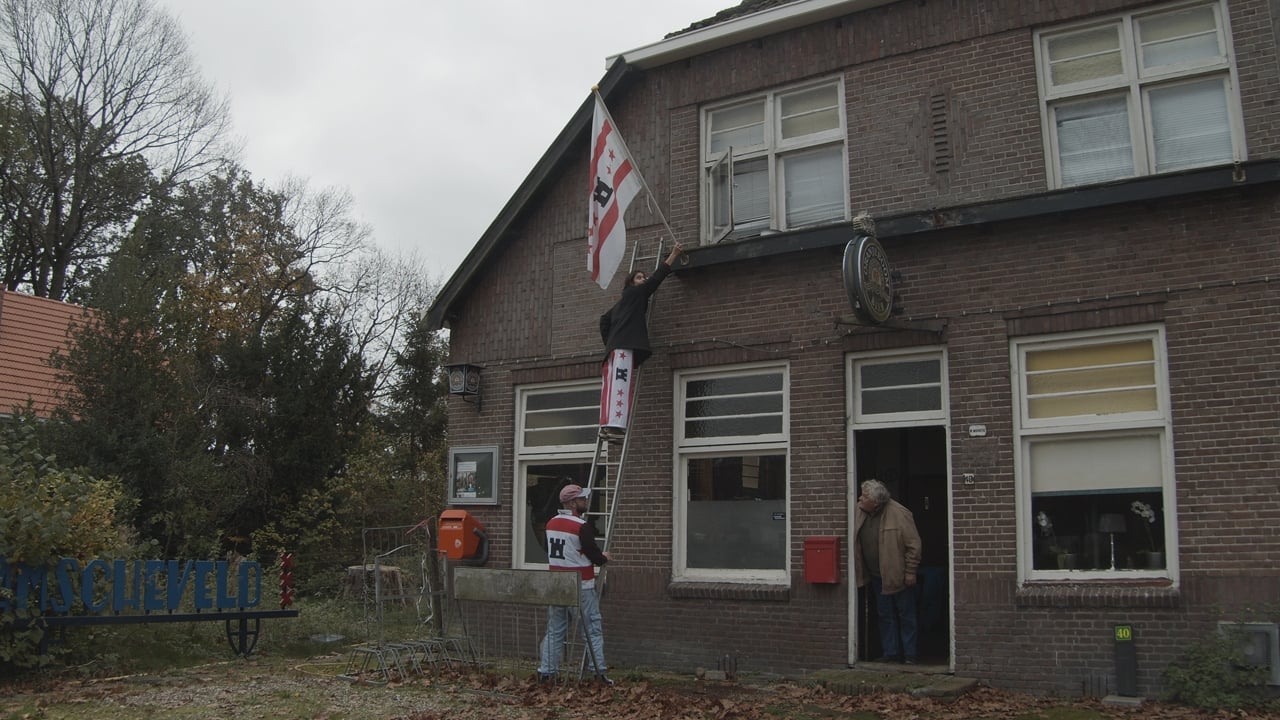
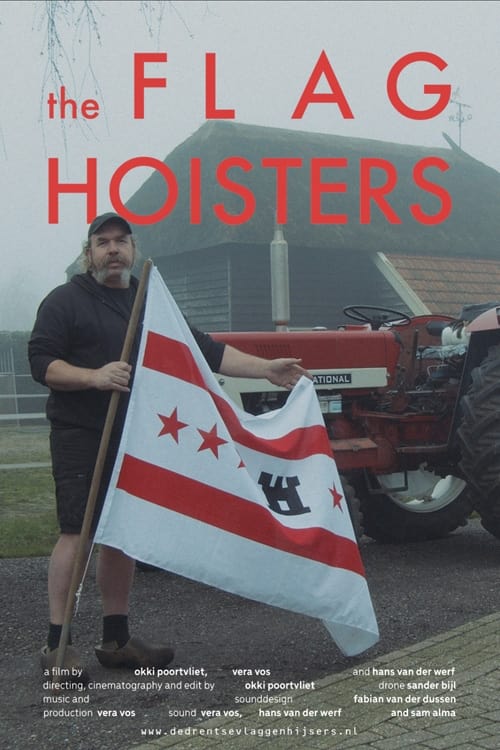
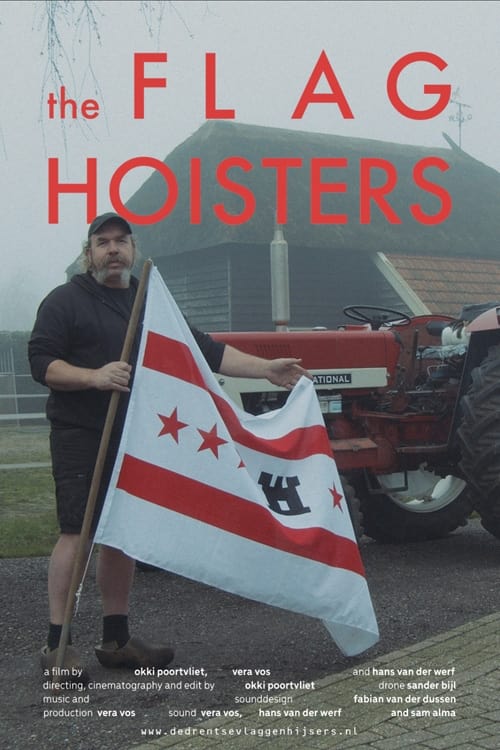
When is the moment you think: I'm going to hoist my regional flag? Who are these flaghoisters? And what does it mean to identify with your region? These are questions that filmmaker Okki Poortvliet, theatermaker Hans van der Werf and designer Vera Vos asked. So, they went through the whole of Drenthe, a region in the North of The Netherlands where all three of them grew up, to collect as many stories as possible from hoisters of the flag of Drenthe. The Flaghoisters is a film about the confrontation between the countryside and, as people from Drenthe call it, “the city dwellers”. A story about a disappearing language, the safety of your village, greeting each other, being proud, and just acting "normal".


No cast information.
Similar Movies
Varda focuses her eye on gleaners: those who scour already-reaped fields for the odd potato or turnip. Her investigation leads from forgotten corners of the French countryside to off-hours at the green markets of Paris, following those who insist on finding a use for that which society has cast off, whether out of necessity or activism.
By telling the human stories behind the entire value chain that gives life to the Spanish wine with the greatest international projection, ‘Rioja, Land of the Thousand Wines’ portrays a currently blooming wine region underpinned by the talent and the work of the new generations of winemakers that operate side by side with the region’s historic wineries. The film puts the focus on the match between territory and product, wisdom and tradition, and lays a bridge between the origins and the future of Rioja. An immersion into a fascinating world that, through captivating cinematography and careful editing, attempts to find the keys to understanding what Rioja wine is and what makes it so special.
Migrant families experience violence, but they also keep beautiful memories when they arrive in new lands. Fantastic and intimate stories, recalled from childhood, travel across time and space, magically intermingling with the help of the four elements and breaking the boundaries of cinema.
A provocative and poetic exploration of how the British people have seen their own land through more than a century of cinema. A hallucinated journey of immense beauty and brutality. A kaleidoscopic essay on how magic and madness have linked human beings to nature since the beginning of time.
Benoît built his paradise hidden from view, emancipated in his own way, resolved to face the constraints of a space which, in imaginations, conflicts with his identity. The countryside. One day, he and other queers from the area decide to organize the first Pride of the Périgord vert, because it is time to come out, to take up space to celebrate, heal, and finally open a path.
Province of Lugo, Galicia, Spain. A year in the life of A Fonsagrada, a rural region whose inhabitants live both near and far from urban civilization; a praise of the distance that crosses the four seasons of the year, whose inevitable passage transforms both the natural environment and the existence of people, a simple, dignified and peaceful existence.
The Haywain by John Constable is such a comfortingly familiar image of rural Britain that it is difficult to believe it was ever regarded as a revolutionary painting, but in this film, made in conjunction with a landmark exhibition at the V&A, Alastair Sooke discovers that Constable was painting in a way that was completely new and groundbreaking at the time. Through experimentation and innovation, he managed to make a sublime art from humble things and, though he struggled in his own country during his lifetime, his genius was surprisingly widely admired in France.