

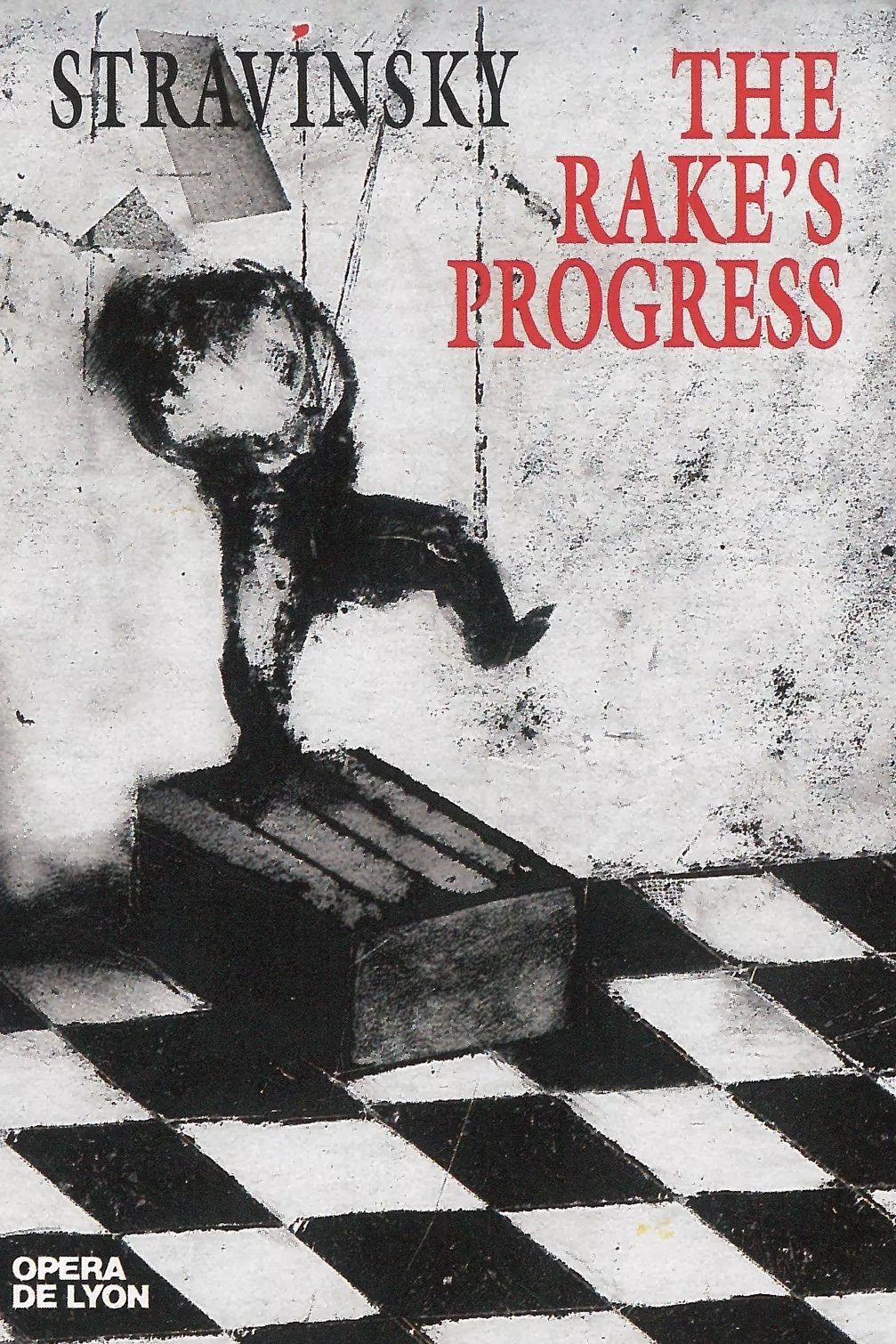
Stravinsky: The Rake’s Progress
Music
Overview
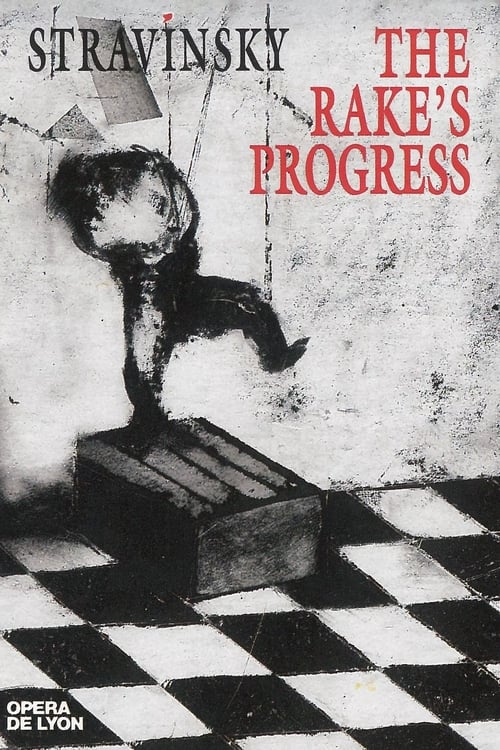
The Rake's Progress is an English-language opera from 1951 in three acts and an epilogue by Igor Stravinsky. The libretto, written by W. H. Auden and Chester Kallman, is based loosely on the eight paintings and engravings A Rake's Progress (1733–1735) of William Hogarth, which Stravinsky had seen on 2 May 1947, in a Chicago exhibition. Filmed in Aix-en-Provence, 1992.

Jerry Hadley
Jerry Hadley
Tom Rakewell
Jerry Hadley
Tom Rakewell
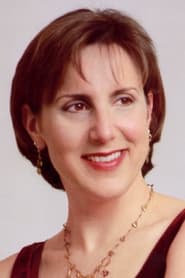
Dawn Upshaw
Dawn Upshaw
Ann
Dawn Upshaw
Ann
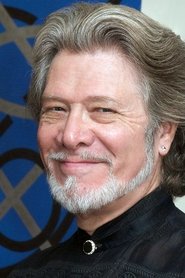
Samuel Ramey
Samuel Ramey
Nick Shadow
Samuel Ramey
Nick Shadow
Victoria Vergara
Victoria Vergara
Baba the Turk
Victoria Vergara
Baba the Turk
John Macurdy
John Macurdy
Trulove
John Macurdy
Trulove
Joan Khara
Joan Khara
Mother Goose
Joan Khara
Mother Goose
Steven Cole
Steven Cole
Selem
Steven Cole
Selem
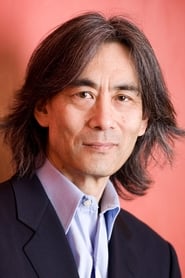
Kent Nagano
Kent Nagano
Conductor
Kent Nagano
Conductor
Similar Movies
Live from Munich, 2005. London, 1601: love, lust and a death sentence at the English royal court - that's just the mix for great Italian opera. Roberto Devereux - an opera for a sovereign, a work for Edita Gruberová! The prima donna assoluta of bel canto triumphs in this drama. Either an opera house can acquire the services of "la Gruberová" - or they can forget putting on this opera.

Wagner's Lohengrin is the mythical tale of the mysterious Knight of the Grail, who appears to defend the princess Elsa - wrongly accused of the murder of her brother. Highlights of Wagner's most lyrical score include the famous Wedding March, which accompanies the marriage of Lohengrin and Elsa. Superstar tenor Jonas Kaufmann ("currently the hottest tenor in opera" - The New York Times) makes his role debut in this performance from 2009 and filmed in Munich. He is joined by German soprano Anja Harteros - a former winner of the prestigious Cardiff Singer Of The World competition.
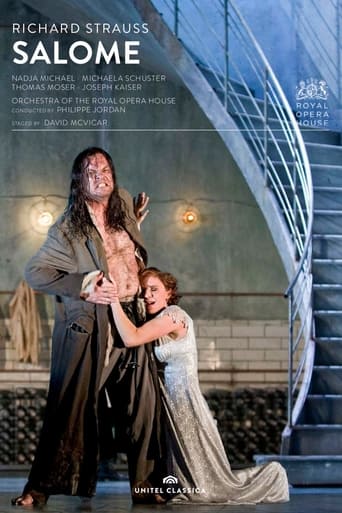
David McVicar’s powerful Royal Opera House 2008 production of Strauss's opera – based on a play by Oscar Wilde – takes the controversial and disturbing film 120 Days of Sodom as its visual reference. The action is set in a debauched palace, which has suggestions of Nazi Germany. Strauss’s ravishing and voluptuous score adds to the sexual alchemy that is conjured by an international cast led by Nadja Michael in the title role.
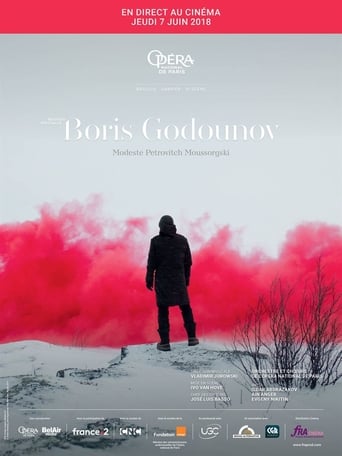
There are elements of Macbeth in this political fable, in which the ghost of the child that Boris has had killed in order to seize the throne appears as an impostor. Adapting Pushkin's epic poem, Mussorgsky composed a meditation on the solitude of power, a populist drama in which the real protagonist is the Russian people with its burden of eternal suffering. Ivo Van Hove is no stranger to grand political frescos. This is his first production for the Paris Opera.

Les Huguenots is a monumental fresco featuring various impossible loves in the context of the Saint Bartholomew Massacre. Andreas Kriegenburg places these timeless conflicts of love and religion in an immaculate setting in which the costumes appear yet more flamboyant and the victims’ blood more violently red.
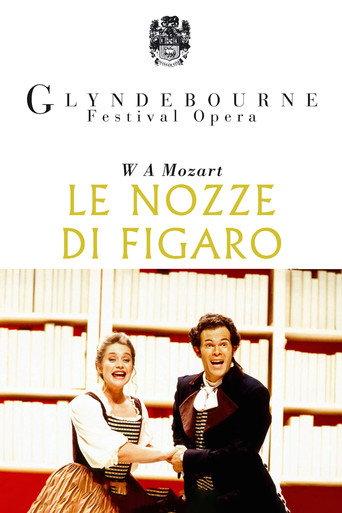
Live from Glyndebourne 1994. The first production to be filmed Live in Glyndebourne´s new opera house May 1994. The Marriage of Figaro is a continuation of the plot of The Barber of Seville several years later, and recounts a single “day of madness” in the palace of the Count Almaviva near Seville, Spain. Rosina is now the Countess; Dr. Bartolo is seeking revenge against Figaro for thwarting his plans to marry Rosina himself; and Count Almaviva has degenerated from the romantic youth of Barber into a scheming, bullying, skirt-chasing baritone. This follows the Count trying to obtain favours from Susanna, Figaro’s bride to be, under the nose of the Countess.
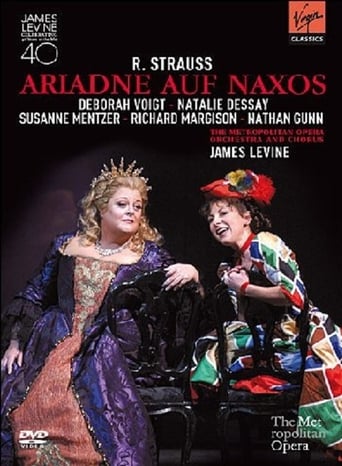
Elijah Moshinsky’s witty production deftly walks the line between the lighthearted humor and the profound philosophical underpinnings of Strauss and Hofmannsthal’s opera, masterfully conducted here by Met Music Director James Levine. Deborah Voigt stars as Ariadne, the mythical heroine abandoned on the island of Naxos by her lover, and Richard Margison is Bacchus, the young god who eventually takes her away to a new life. The spectacular Natalie Dessay as Zerbinetta leads the troupe of comedians who unsuccessfully try to cheer Ariadne up. Susanne Mentzer is delightful as the young Composer of the opera-within-the-opera, and Wolfgang Brendel sings the Music Master.
John Dexter’s brilliant production of Britten’s searing opera stars Dwayne Croft in the title role of the handsome young sailor whose kindness and innocence cause his downfall. The great James Morris is Claggart, master-at-arms on the 18th-century warship Indomitable, who falsely accuses Billy of inciting a mutiny. Philip Langridge sings Captain Vere, the honest commander who knows that Billy is innocent but finds himself unable to save him. Steuart Bedford, Britten’s close collaborator during the last years of the composer’s life, is on the podium.
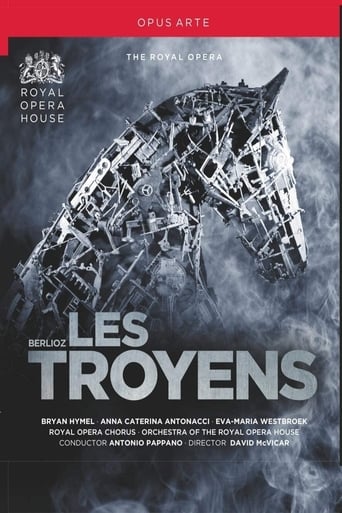
After the destruction of Troy, the Trojan warrior Énée sets out on a journey to found a new dynasty. He meets Didon, Queen of Carthage, and falls in love. But will Énée's love for Didon prove stronger than his sense of duty? LES TROYENS ('The Trojans') is a tour de force of music that ranges from fiery military marches to intense choruses, passionate soliloquies – such as those of the prophetess Cassandre – and the lyrical love duets of Didon and Énée. It is Hector Berlioz's largest work and he wrote the libretto himself, drawing upon his intimate knowledge of Virgil's Aeneid. To the composer's disappointment, LES TROYENS was only performed once in full during his lifetime and was often presented in shortened form during the 20th century. The Royal Opera's production provides a rare chance to see this epic work in its entirety. David McVicar's staging is on an enormous scale, assembling one of the largest casts ever seen at Covent Garden.