

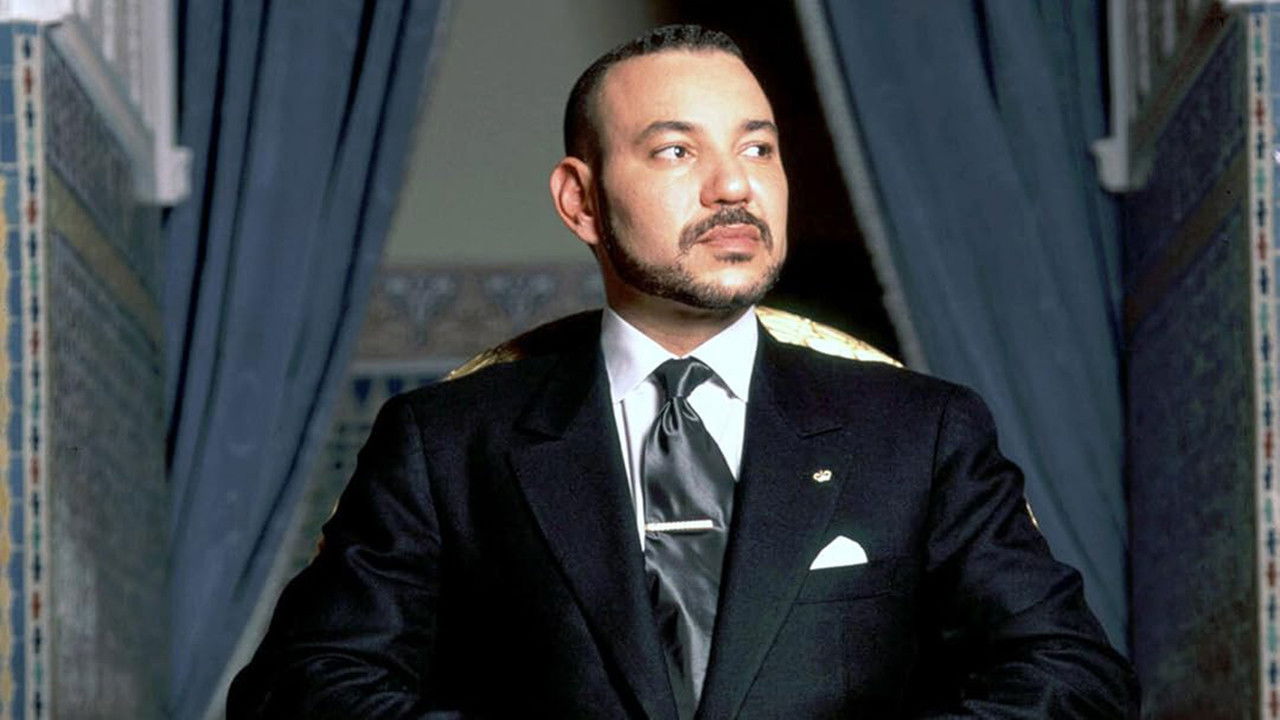
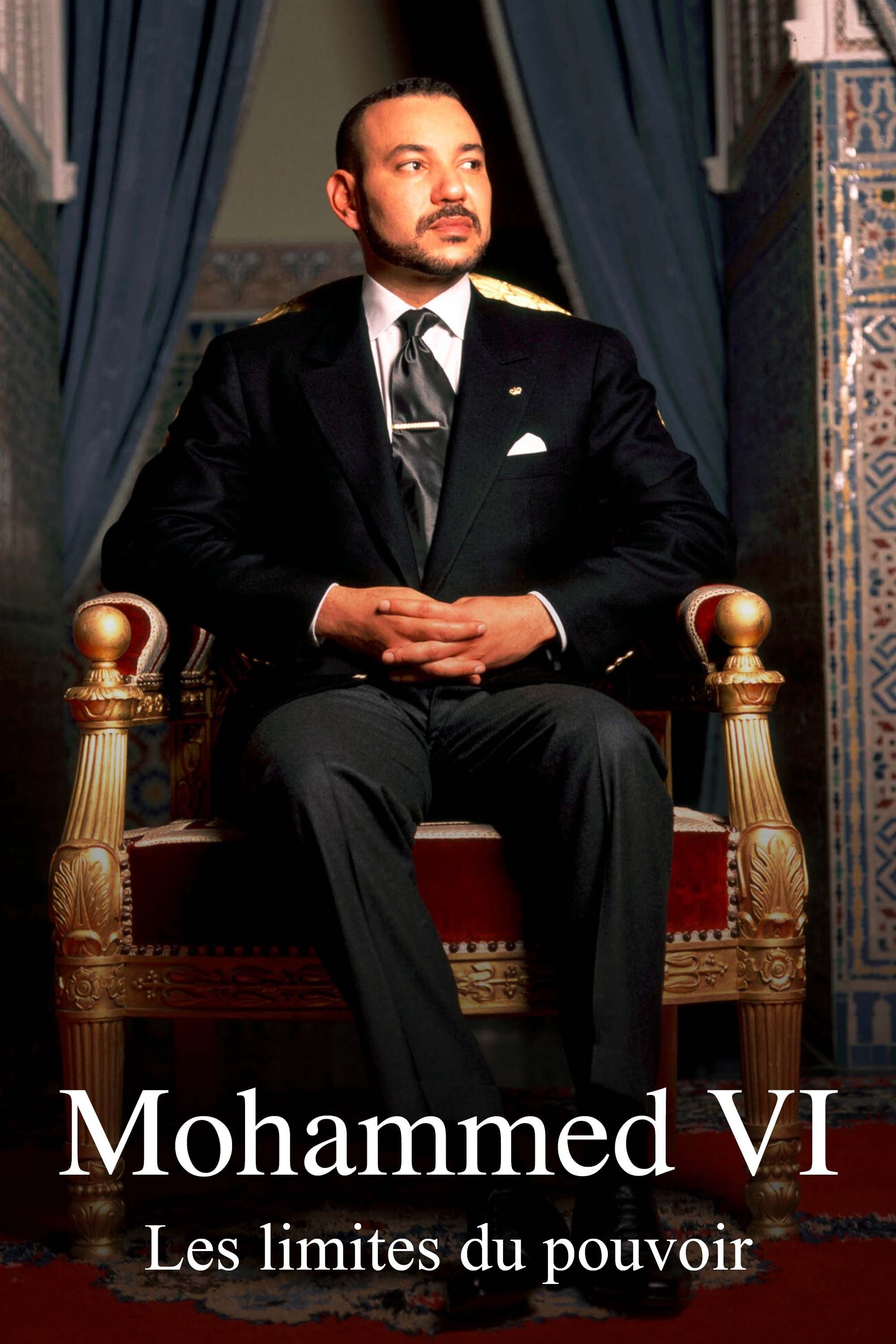
Mohammed VI - The Limits of Power
Documentary · TV Movie
Overview
Twenty-third sovereign of the Alawite dynasty established in Morocco since the seventeenth century, Mohammed VI took over from his father Hassan II in 1999, and from the moment of his coronation, he positioned himself as a "king of the poor", close to the people. Naturally shy, he prefers to act rather than speak, defining a modern style of governance that has earned him great popularity from the start. Married to a young computer engineer, he asserted a policy of liberalization of morals and even made a critical review of the period of repression led by his father during the years of lead. However, he faces opposition from conservatives, which leads to the election of the Islamist PJD (Party of Justice and Development) as head of government, following the Arab Spring of 2011.
Top Cast
Vanina Kanban
Narrator (voice)

King Mohammed VI
Self (archive footage)

King Hassan II
Self (archive footage)
Hassan Aourid
Self
Abdellah Tourabi
Self - Political journalist
King Mohammed V
Self (archive footage)
Noureddine Ayouch
Self
Mohamed Tozy
Self - Political scientist
Neila Tazi
Self

Bill Clinton
Self (archive footage)

Jacques Chirac
Self (archive footage)

Prince Moulay Rachid
Self (archive footage)




Vanina Kanban
Vanina Kanban
Narrator (voice)
Vanina Kanban
Narrator (voice)
King Mohammed VI
King Mohammed VI
Self (archive footage)
King Mohammed VI
Self (archive footage)
King Hassan II
King Hassan II
Self (archive footage)
King Hassan II
Self (archive footage)
Hassan Aourid
Hassan Aourid
Self
Hassan Aourid
Self
Abdellah Tourabi
Abdellah Tourabi
Self - Political journalist
Abdellah Tourabi
Self - Political journalist
King Mohammed V
King Mohammed V
Self (archive footage)
King Mohammed V
Self (archive footage)
Noureddine Ayouch
Noureddine Ayouch
Self
Noureddine Ayouch
Self
Mohamed Tozy
Mohamed Tozy
Self - Political scientist
Mohamed Tozy
Self - Political scientist
Neila Tazi
Neila Tazi
Self
Neila Tazi
Self
Bill Clinton
Bill Clinton
Self (archive footage)
Bill Clinton
Self (archive footage)
Similar Movies
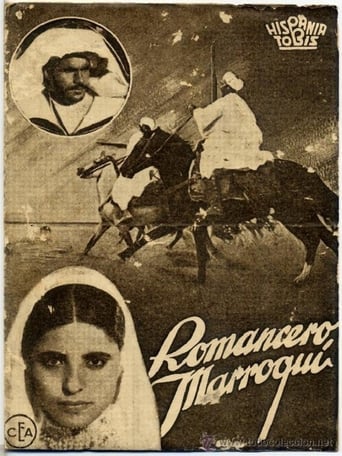
The young farmer Aalami leaves his family to find work elsewhere. He gets to know the country and its people, customs and traditions at Küste in North Africa: Market life in Tetuan, the art of craftsmanship, the life of the Moors, dances and festivities in honour of the caliph, white mosques, the call of the muezzin of the minaret and the music of the shepherd flutes. Aalami also follows Franco's call and flies from Morocco to Spain to fight at Bürgerkrieg. In the end Aalami comes back to his wife and children.

The film is set in Tangier, a city in northern Morocco known for its rich cultural heritage and vibrant artistic scene. It features Iliass, a young interdisciplinary artist who skillfully merges four distinct art forms—blurring the lines between tradition and modernity—to create a singular, innovative expression. Through Iliass's journey, the film explores the dynamic interplay of identity, creativity, and the transformative power of art, set against the backdrop of Tangier’s unique blend of Mediterranean and Moroccan influences.
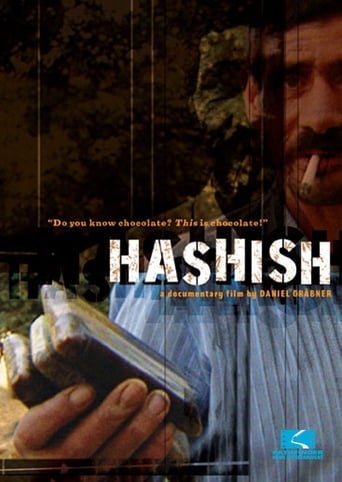
A small village high up in the mountains of Ketama, Northern Morocco. The life of the people here has been shaped by the drug hashish for centuries. Hashish as daily work, hash as exchange currency, hashish as business, hashish as basis and philosophy of a social system, hashish as medium for dreams and hashish as reason for stagnation.
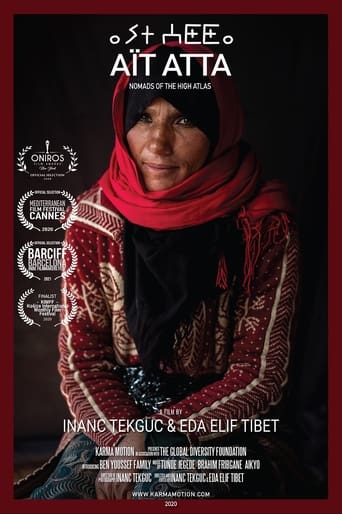
The Aït Atta tribe of the High Atlas mountain range in Morocco preserves their ancestral right of access to the agdal, a communal land management system that dates back hundreds of years. The film follows Ben Youssef family’s arduous transhumance journey from the desert-like landscape of Nkob to the green pastures of Agdal Igourdane, throughout uneven terrain of steep climbs and descents of these High Atlas mountains. They migrate each summer with their 800 goats, donkeys, mules, camels and dogs, as they embark on this formidable journey on foot.
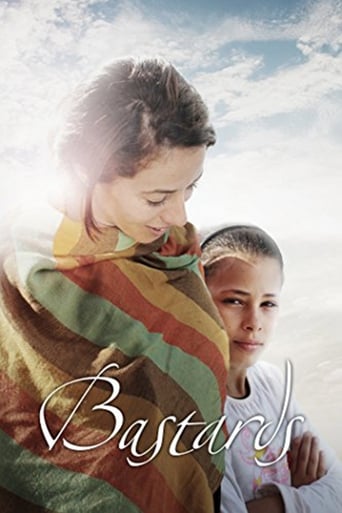
At 14 Rabha El Haimer was an illiterate child bride, beaten, raped and then rejected. Ten years later, she is a single mother, fighting to legalise her sham marriage and secure a future for her illegitimate daughter. With unprecedented access to the Moroccan justice system, “Bastards” follows Rabha’s fight from the Casablanca slums to the high courts.