

Whose Barrio?
Documentary
Overview
Jose Rivera is a lifelong resident of Spanish Harlem (El Barrio) but is afraid that gentrification will force him out. James Garcia has just bought an apartment across the street from public housing and wonders why locals resist his moving into the neighborhood. James Barrow worries that a construction project in an empty lot behind his building will threaten his apartment. Oscar Dominguez and Movement for Justice in El Barrio protests against gentrification. A town hall meeting pits community members against a City Councilwoman who supports a massive development project in East Harlem.



No cast information.
Similar Movies
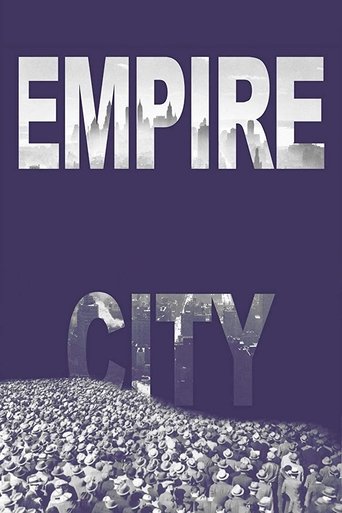
A film essay contrasting the modern metropolis with its "golden age" from 1830-1930, with the participation of some of New York's leading political and cultural figures. Made at a time when the city was experiencing unprecedented real estate development on the one hand and unforeseen displacement of population and deterioration on the other. Empire City is the story of two New Yorks. The film explores the precarious coexistence of the service-based midtown Manhattan corporate headquarters with the peripheral New York of undereducated minorities living in increasing alienation.
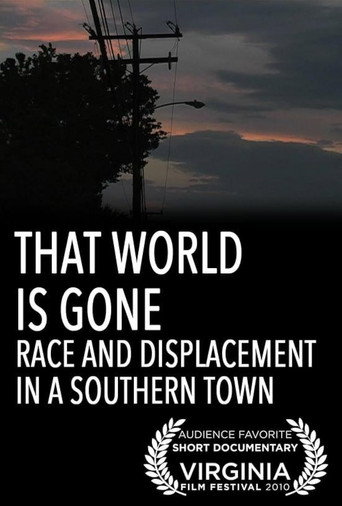
Kathy's family left on a Saturday morning in 1965. The rumble of bulldozers echoed through the neighborhood, and her block was empty. Federally-funded urban renewal had arrived in Charlottesville, scattering dozens of families like Kathy's. The once-vibrant African American community, built by formerly enslaved men and women who had secured a long-denied piece of the American dream, disappeared.
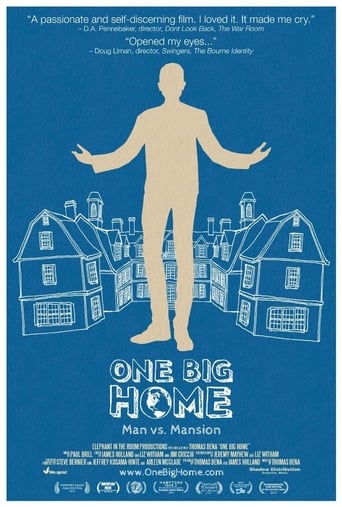
On the tiny island of Martha's Vineyard, where presidents and celebrities vacation, trophy homes threaten to destroy the islands unique character. Twelve years in the making, One Big Home follows one carpenters journey to understand the trend toward giant houses. When he feels complicit in wrecking the place he calls home, he takes off his tool belt and picks up a camera.
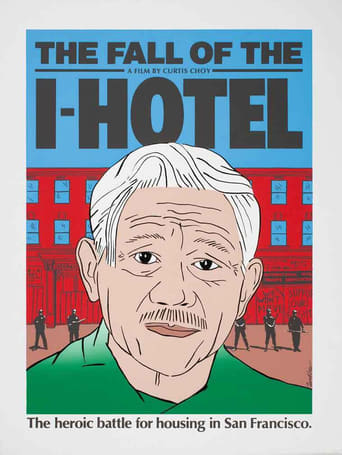
The Fall of the I-Hotel brings to life the battle for housing in San Francisco. The brutal eviction of the International Hotel's tenants culminated a decade of spirited resistance to the razing of Manilatown. The Fall of the I-Hotel works on several levels. It not only documents the struggle to save the I-Hotel, but also gives an overview of Filipino American history.
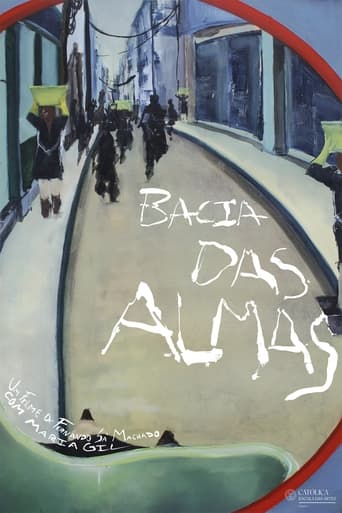
Rua de Santa Catarina, a street that was formerly home to dozens of local businesses and hundreds of Porto residents, now sees a crowd of tourists attracted by the cheap, disposable amenities that are popping up everywhere at once. Gentrification has decontextualized Portuguese culture, rendering the landscape uncanny. The Basin Woman, a symbol of the female workers of the historic Bolhão Market, is chased down by seagulls in the midst of this transcendent chaos.

Jonathan Stavleu explores, in a stream-of-consciousness video essay, the relationship people have with water and what happens when access to it is taken away. For this work, he examines anecdotal histories he has heard from Estonians, as well as stories from his own family history in the Netherlands, weaving them together into a journal-like narrative.
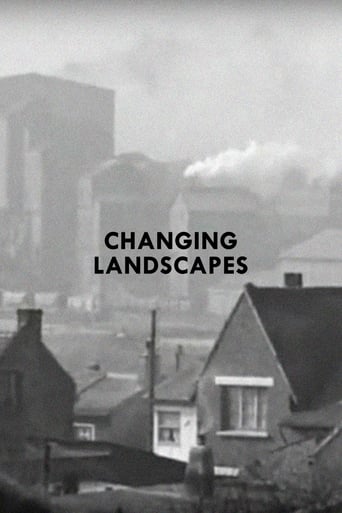
A sophisticated and beautifully constructed account of landscape change in and around Paris in the early 1960s. The film raises complex issues about the meaning and experience of modern landscapes and the enigmatic characteristics of features such as canals, pylons and deserted factories. Rohmer also explores the role of landscape within different traditions of modern art and design and refers to specific architects, artists and engineers.