

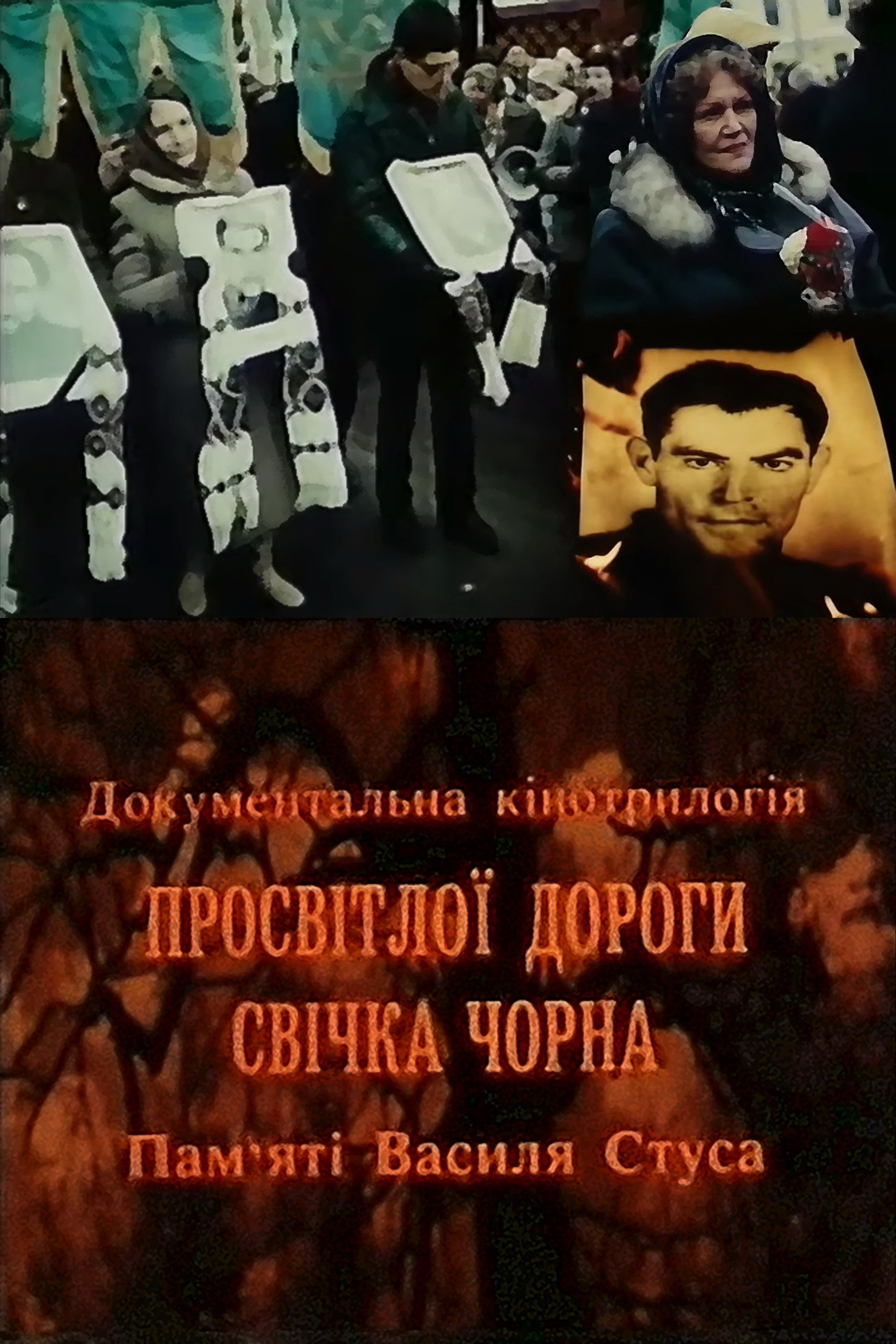
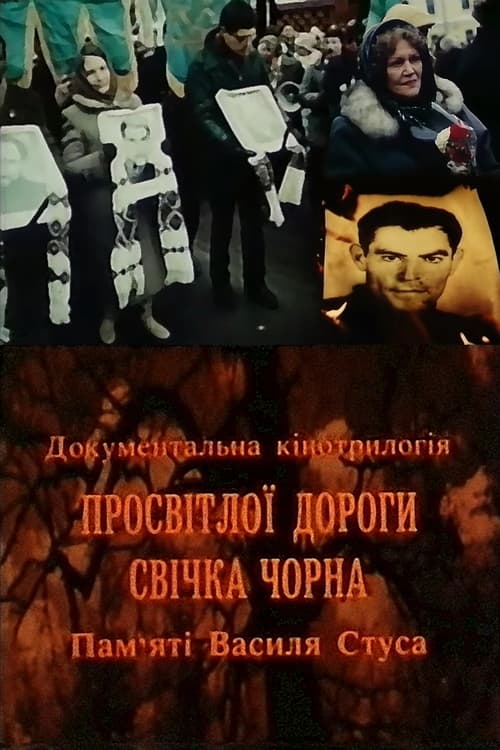
Black Candle of the Bright Road. In memory of Vasyl Stus
Documentary
Overview
Documentary trilogy about the thorny path of the famous Ukrainian poet, translator, political prisoner Vasyl Stus. Filmed in 1989-1992, it describes the life of the poet, the story of the destruction of the dissident by the Soviet authorities, highlights his influence on Ukrainian society during life and after his death, records the testimony of witnesses, films the liquidated Kuchino camp, in which Stus was imprisoned, the reburial of Stus, Lytvyn and Tykhy in 1989. Consists of three parts: «Come back to me, my memory» (Верни до мене, пам’яте моя), «In the white cold the sun of Ukraine» (У білій стужі сонце України), «Crucified on a black cross» (Розіп’ятий на чорному хресті).


Oleksandr Kochnev
Oleksandr Kochnev
(voice)
Oleksandr Kochnev
(voice)
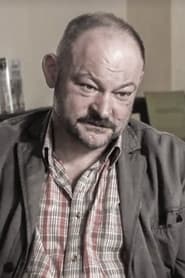
Dmytro Stus
Dmytro Stus
Dmytro Stus
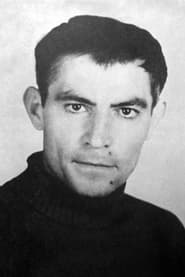
Vasyl Stus
Vasyl Stus
(voice)
Vasyl Stus
(voice)
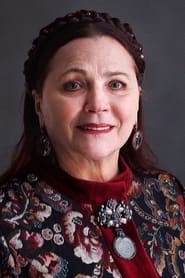
Nina Matviienko
Nina Matviienko
(sing)
Nina Matviienko
(sing)
Vitaliy Doroshenko
Vitaliy Doroshenko
(voice)
Vitaliy Doroshenko
(voice)
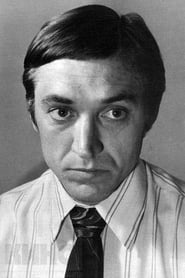
Leonid Yanovskyi
Leonid Yanovskyi
(voice)
Leonid Yanovskyi
(voice)
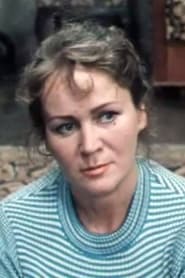
Alla Usenko
Alla Usenko
(voice)
Alla Usenko
(voice)
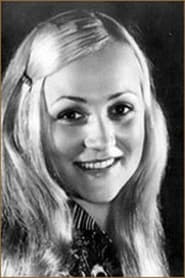
Halyna Demchuk
Halyna Demchuk
(voice)
Halyna Demchuk
(voice)
Agafya Bolotova
Agafya Bolotova
(voice)
Agafya Bolotova
(voice)
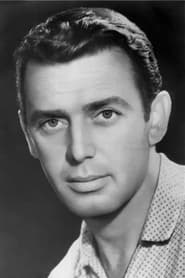
Oleksandr Movchan
Oleksandr Movchan
(voice)
Oleksandr Movchan
(voice)
Similar Movies
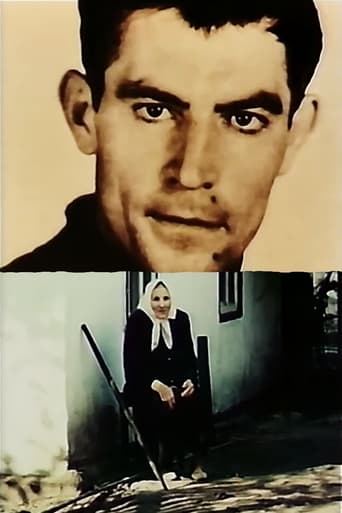
The first film of documentary trilogy «Black Candle of the Bright Road. In memory of Vasyl Stus» covers the events of Vasyl Stus's life from birth to the beginning of the 70s. It contains interviews with his mother Iryna Stus, comrade Vasyl Shymanskyi, Roman Korohodskyi, Vyacheslav Chornovil, Mykhailyna Kotsyubynska, Marharyta Dovhan and others, photos from the times school and institute studies, army service, postgraduate study at the Institute of Literature, fragments from letters and essays.
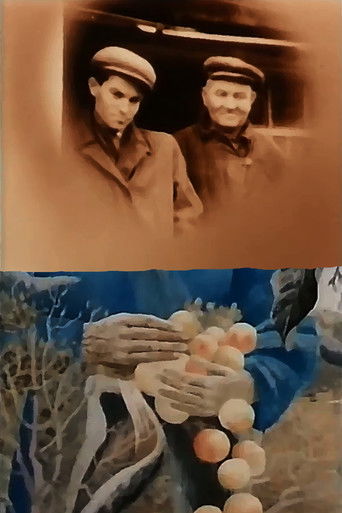
The second film of documentary trilogy «Black Candle of the Bright Road. In memory of Vasyl Stus» covers the period from the first arrest on December 12, 1972 to the death of the father in June 1978. Interviews with his son Dmytro Stus, wife Valentyna Popelyukh, comrades Oleh Orach, Yevhen Sverstyuk, Opanas Zalyvakha, Ivan Kalynychenko, Leonid Seleznenko, Semen Hluzman, Iryna Kalynets and others reveal the details of the search, imprisonment, trial on September 7, 1972, and the prisoner's life of the writer.
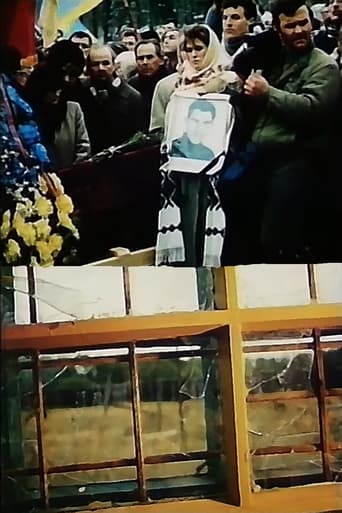
The third film of documentary trilogy «Black Candle of the Bright Road. In memory of Vasyl Stus» covers the events from the return from Kolyma in 1979 to the reburial on November 19, 1989. Interviews with the last cellmate of the writer Leonid Borodin, former political prisoners Vasyl Ovsienko, Levko Lukyanenko provide an opportunity to recreate the last episodes of Vasyl Stus's life: the conflict with Romashov, a fictional report about Stus's behavior in the cell, his emotional explosion due to slander, the announcement of a hunger strike, solitary confinement, night from September 3 to 4, 1985.
Study of the relationship between observer and landscape in the contemplative experience. The view building the landscape from the necessary distance. The delimitation of its borders against the total continuum of nature. The observer immersed in the path of his gaze across the landscape. Resting the gaze in the details that make the globallity. The view selecting the space included as a landscape.
A documentary portrait of Tiit Pääsuke, the most prominent painter in contemporary Estonia. Artist per excellence, creator of the imaginary picture-landscapes, a charming person, adorer of the woman’s beauty, gentleman and a colonel in local whisky club - Tallinn Uisge Beatha Club. “When painting, I compose the details of my pictures, my human models not as traditional painter, but more like film or theatre director works with actors, my compositions are as performances, theatrical happenings”. - Tiit Pääsuke

In 1931 the rains stopped and the "black blizzards" began. Powerful dust storms carrying millions of tons of stinging, blinding black dirt swept across the Southern Plains — the panhandles of Texas and Oklahoma, western Kansas, and the eastern portions of Colorado and New Mexico. Topsoil that had taken a thousand years per inch to build suddenly blew away in only minutes. One journalist traveling through the devastated region dubbed it the "Dust Bowl." This American Experience film presents the remarkable story of the determined people who clung to their homes and way of life, enduring drought, dust, disease — even death — for nearly a decade. Less well-known than those who sought refuge in California, typified by the Joad family in John Steinbeck's "The Grapes of Wrath," the Dust Bowlers who stayed overcame an almost unbelievable series of calamities and disasters.
Narrated by Academy Award winners Sissy Spacek and Herbie Hancock, River of Gold is the disturbing account of a clandestine journey into Peru's Amazon rainforest to uncover the savage unraveling of pristine jungle. What will be the fate of this critical region of priceless biodiversity as these extraordinarily beautiful forests are turned into a hellish wasteland?