

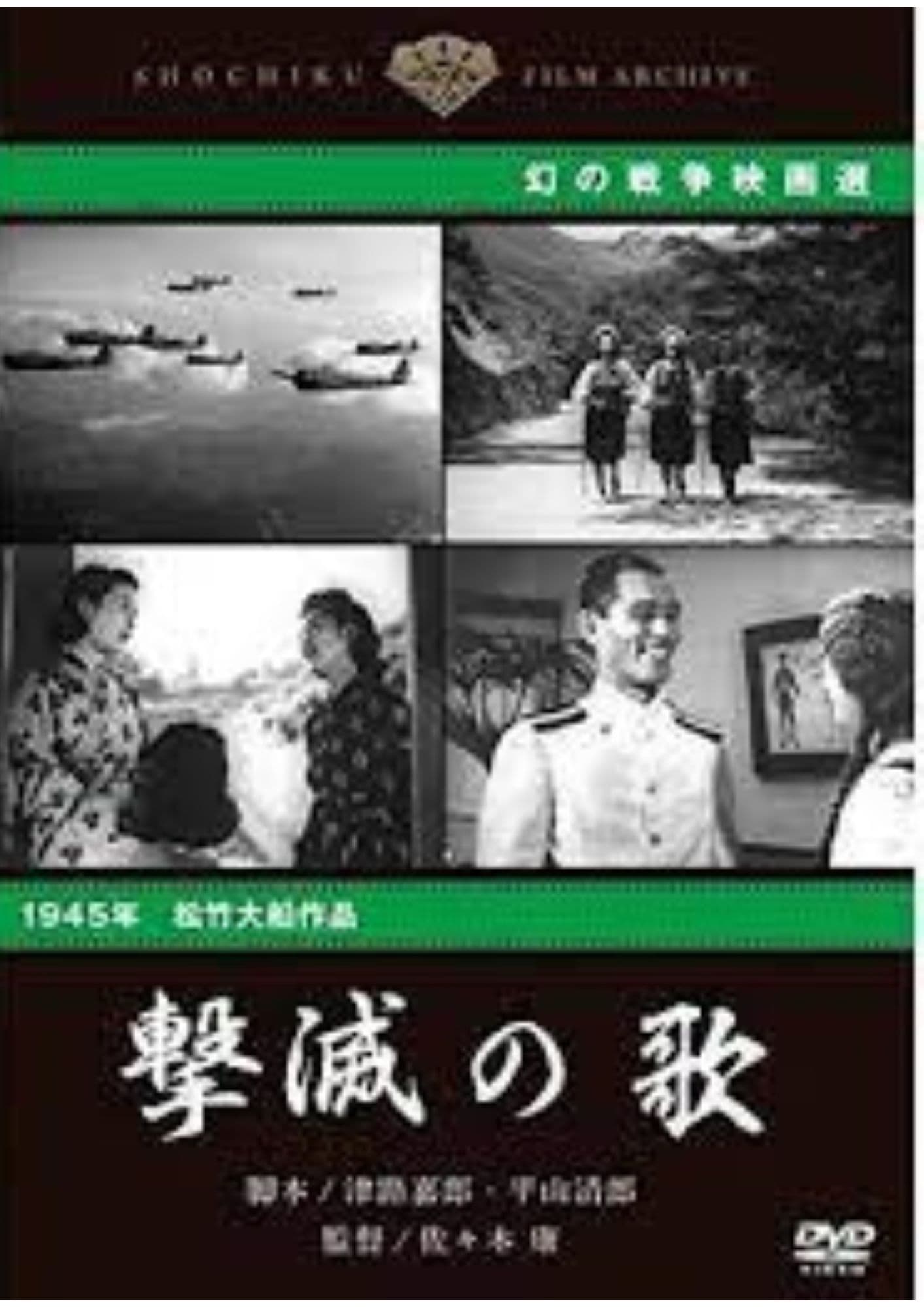
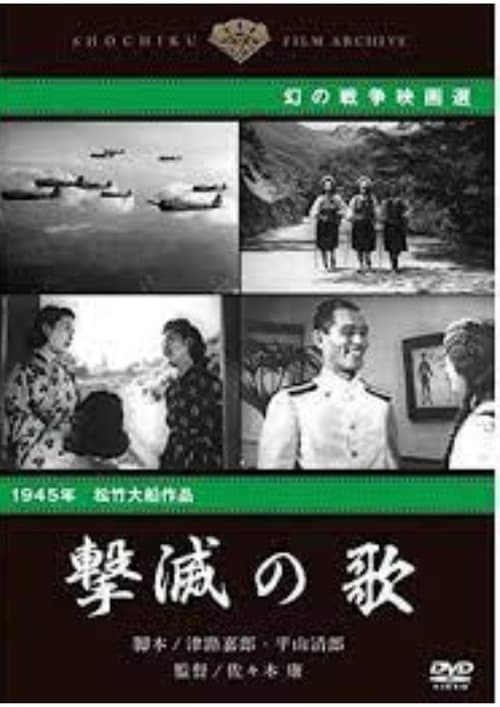
Gekimetsu no uta
Music · Drama
Overview
Three daughters have graduated from the music school and have gone their separate ways. On the day of the outbreak of war, the three girls meet again for the first time since their graduation ceremony. This film was made at the end of the war to promote the military song “Song of the Annihilation of the United States and Great Britain” and to raise the will to fight.










Mieko Takamine
Mieko Takamine
桜井千鶴
Mieko Takamine
桜井千鶴

Yukiko Todoroki
Yukiko Todoroki
堀越弓子
Yukiko Todoroki
堀越弓子

Yumeji Tsukioka
Yumeji Tsukioka
下田美穂
Yumeji Tsukioka
下田美穂
Yoshie Fujiwara
Yoshie Fujiwara
Yoshie Fujiwara
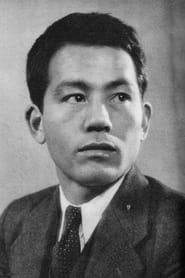
Chishū Ryū
Chishū Ryū
河上耕造
Chishū Ryū
河上耕造
Junji Masuda
Junji Masuda
小牧
Junji Masuda
小牧
Similar Movies
After the elections in 1929, where the Social Democrats are ahead, the work of rebuilding Danish society begins in earnest. A bold young man with faith in life, himself and the labor movement returns to the country, as legislation creates the opportunity to live abroad, where he feels at home. Ten years of struggle for work and democratic rule are experienced through living people. Stauning speaks before and after the film.

Director Frederick Ermler’s last silent feature and the last of four collaborations with actor Fiodor Nikitin. Nikitin plays an officer who spends a decade after the Great War as a shell-shocked amnesiac, until a glimpse of a woman through a train window sparks the return of his memory. He makes his way back to St. Petersburg, now Leningrad, a man out of time who struggles to make sense of the new society brought about by the revolution.

Young Alice Mason wishes to start a family, but because her own has been deemed "defective" by the state health authorities—her parents are lazy alcoholics who continue breeding, and her siblings are disabled, have mental problems or are imprisoned—she is ordered by a court to undergo sterilization so that her family's "defective genes" won't be passed on to any further. Her boyfriend Jim and a kindly priest search desperately for a way to stop the forced surgery before it's too late.
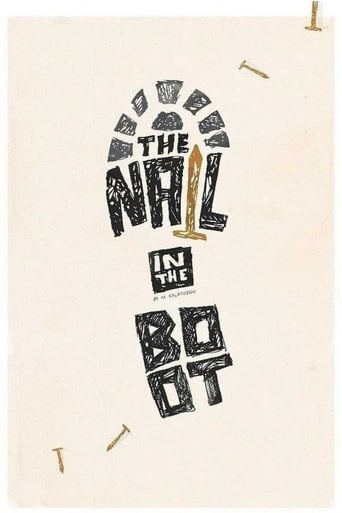
Banned in the Soviet Union for its "negative" content and never released, Kalatozov was forced to retreat from filmmaking for seven years because of this film. The film sets out to illustrate the old adage, "For want of a nail, the battle was lost," showing how the inferior quality of something so trivial as a nail in a soldier's boot leads inexorably to the capture of an armored train. Kalatozov had intended to demonstrate the crucial and universal importance of efficiency in Soviet industry, but the government decided that his fable gave a negative impression of the Red Army's capabilities.