

The Dominatrix Sleeps Tonight
Music
Overview
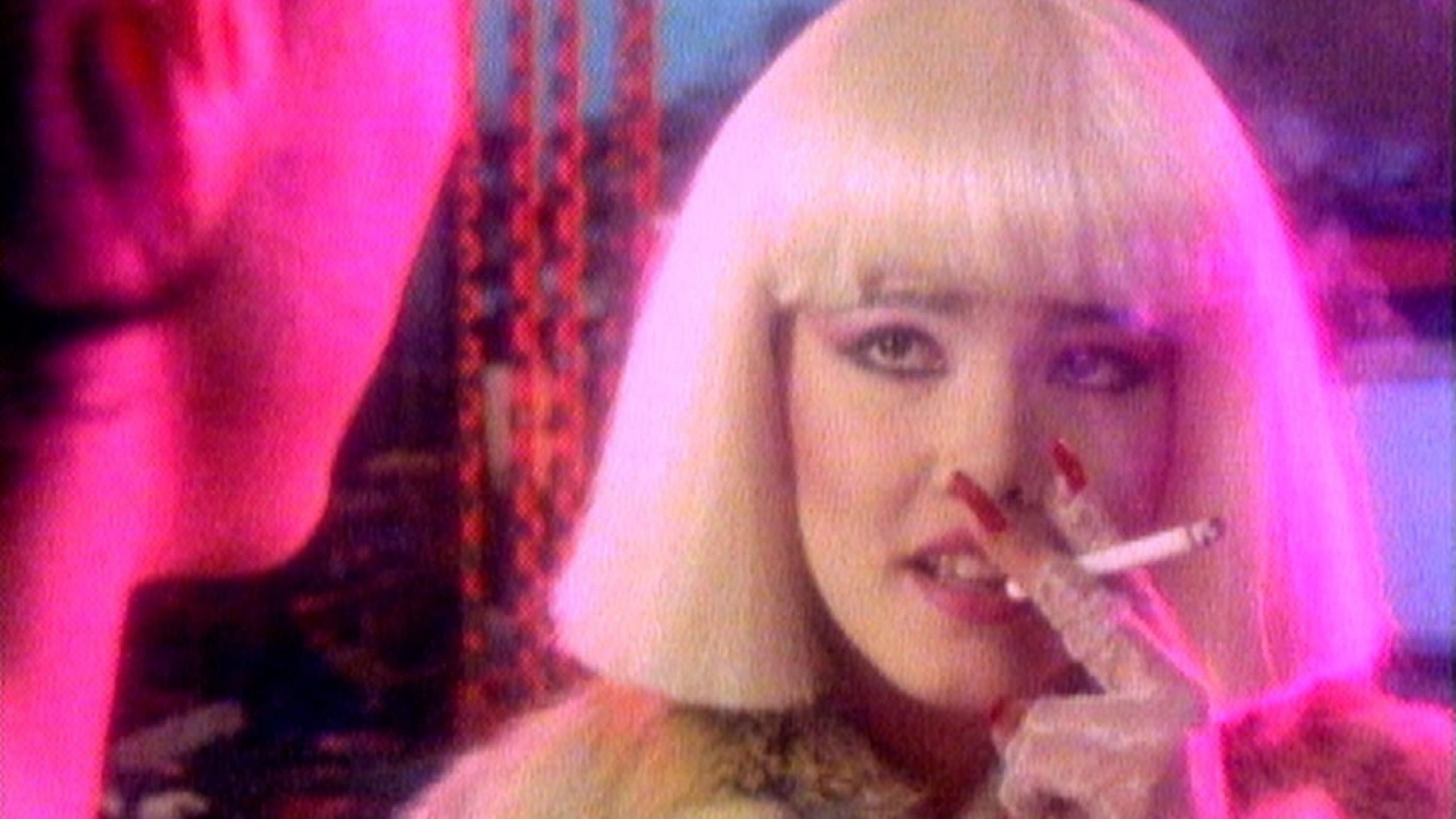
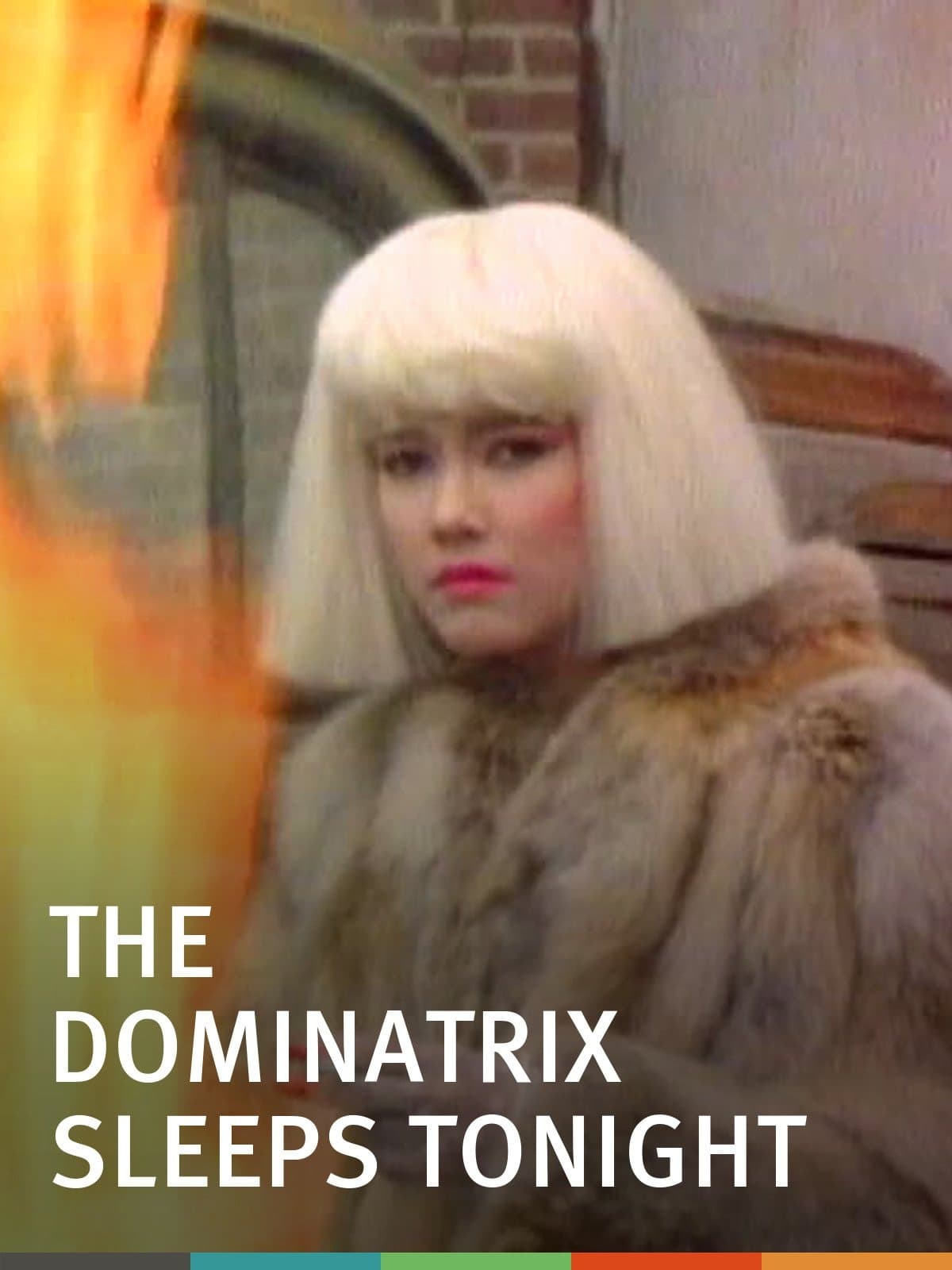
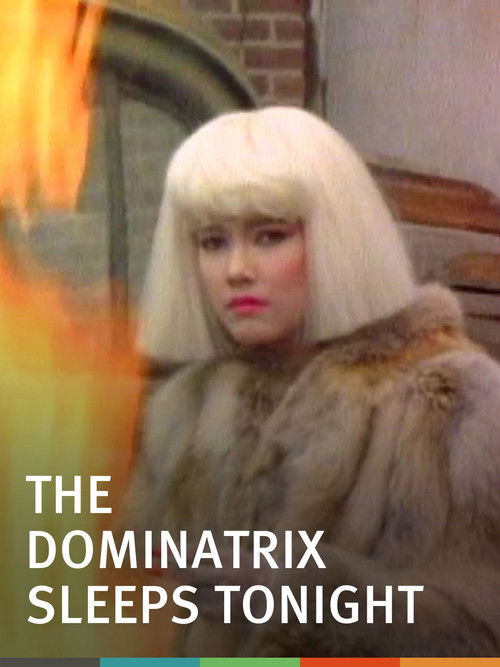
A gang of leather-clad, powerful women take over a traditionally male domain, and hairspray, eyeliner, and bare flesh are on full display in Beth B’s music video for the Arthur Baker–produced club hit from synthpop band Dominatrix. Banned at the time of release, it was acquired by The Museum of Modern Art.





Dominique Davalos
Dominique Davalos
Dominatrix
Dominique Davalos
Dominatrix
Stuart Argabright
Stuart Argabright
Musician
Stuart Argabright
Musician
Barbara Allen
Barbara Allen
Dancer
Barbara Allen
Dancer
Adrienne Altenhaus
Adrienne Altenhaus
Dancer
Adrienne Altenhaus
Dancer
Gy Mirano
Gy Mirano
Dancer
Gy Mirano
Dancer
Kathryn Pankratz
Kathryn Pankratz
Dancer
Kathryn Pankratz
Dancer
Beverly Anne Spirit
Beverly Anne Spirit
Dancer
Beverly Anne Spirit
Dancer
Tommy Turner
Tommy Turner
Mechanic
Tommy Turner
Mechanic
Similar Movies
After concluding the now-legendary public access TV series, The Pain Factory, Michael Nine embarked on a new and more subversive public access endeavor: a collaboration with Scott Arford called Fuck TV. Whereas The Pain Factory predominantly revolved around experimental music performances, Fuck TV was a comprehensive and experiential audio-visual presentation. Aired to a passive and unsuspecting audience on San Francisco’s public access channel from 1997 to 1998, each episode of Fuck TV was dedicated to a specific topic, combining video collage and cut-up techniques set to a harsh electronic soundtrack. The resultant overload of processed imagery and visceral sound was unlike anything presented on television before or since. EPISODES: Yule Bible, Cults, Riots, Animals, Executions, Static, Media, Haterella (edited version), Self Annihilation Live, Electricity.
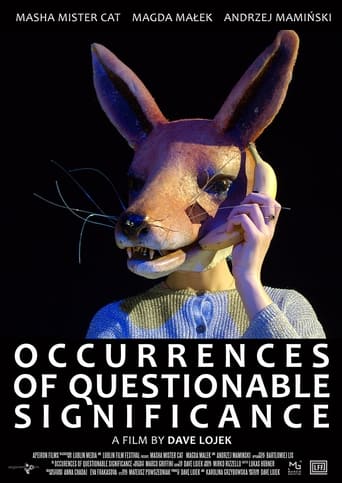
When forest animals invade our cities, the world is in disarray. Office vixen Fiona struggles with her banana phone addiction. Will she succumb to it? Temperamental bunny Barbara only gives her stag sugar daddy Nestor his special massage, after he dines her and plays the big spender. This obscure short film pinpoints postmodern tropes of consumerism, eroticism, and art with an homage to the theater stage and references to literature. This work uses a fantasy language and needs no subtitles.
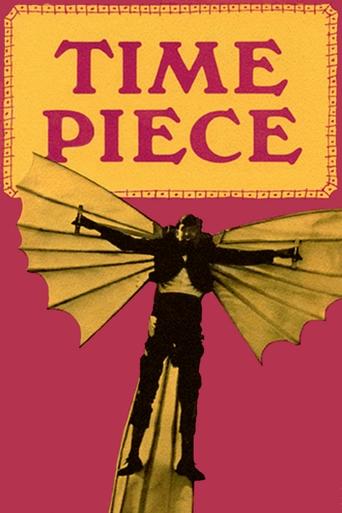
Dislocation in time, time signatures, time as a philosophical concept, and slavery to time are some of the themes touched upon in this 9-minute experimental film, which was written, directed, and produced by Jim Henson. Screened for the first time at the Museum of Modern Art in May of 1965, "Time Piece" enjoyed an eighteen-month run at one Manhattan movie theater and was nominated for an Academy Award for Outstanding Short Subject.
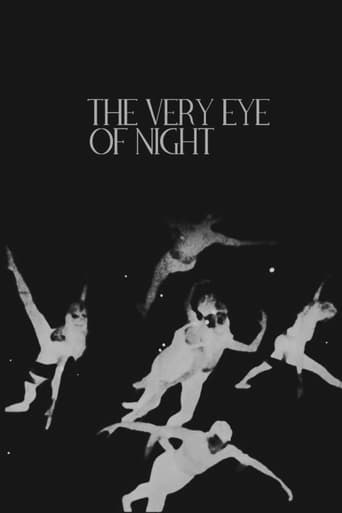
Dancers, shown in photographic negative, perform a series of ballet moves, solos, pas de deux, larger groupings. The dancers glide and rotate untroubled by gravity against a slowly changing starfield background. Their movements are accompanied by music scored for a small ensemble of woodwind and percussion.
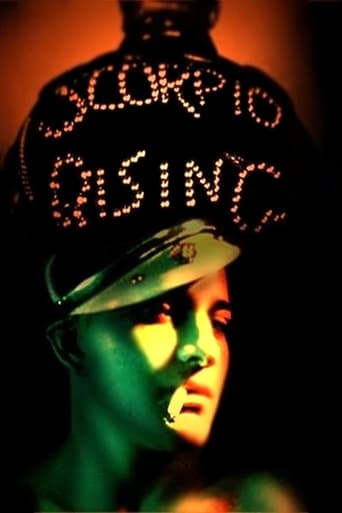
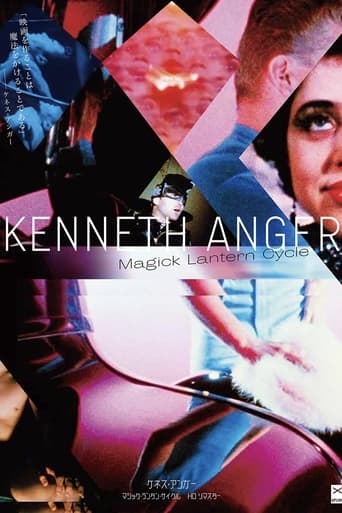
Cinematic magician, legendary provocateur, and author of Hollywood Babylon, Kenneth Anger was a unique figure in post-war American culture. His iconic short films are characterised by a mystical-symbolic visual language and phantasmagorical-sensual opulence that underscores the medium’s transgressive potential. Anger’s work fundamentally shaped the aesthetics of 1960s and 1970s subcultures, the visual lexicon of pop and music videos and queer iconography. These nine films form the basis of Anger’s reputation as one of the most influential pioneers of avant-garde film and video art. Fireworks, 1947, 14 min Puce Moment, 1949, 6 min Rabbit's Moon, 1950/1971, 16 min Eaux d'Artifice, 1953, 13 min Inauguration of the Pleasure Dome, 1954, 37 min Scorpio Rising, 1964, 28 min Kustom Kar Kommandos, 1965, 3 min Invocation of My Demon Brother, 1969, 11 min Lucifer Rising, 1981, 27 min
A subtle and atmospheric designed-nature film, following a beetle traversing through its newly found home, intertwined with and supplemental to the free electro-acoustic jazz album of the same name, by Cristiano Calcagnile. Complex and accessible from and in many directions, it in-cludes its elements and their displacement along the elusive boundaries of a penetrating dance, that you soon give up wanting to define, and entrusts its appeal to complexity and countless perspectives.