

Microchip Wars
Documentary
Overview
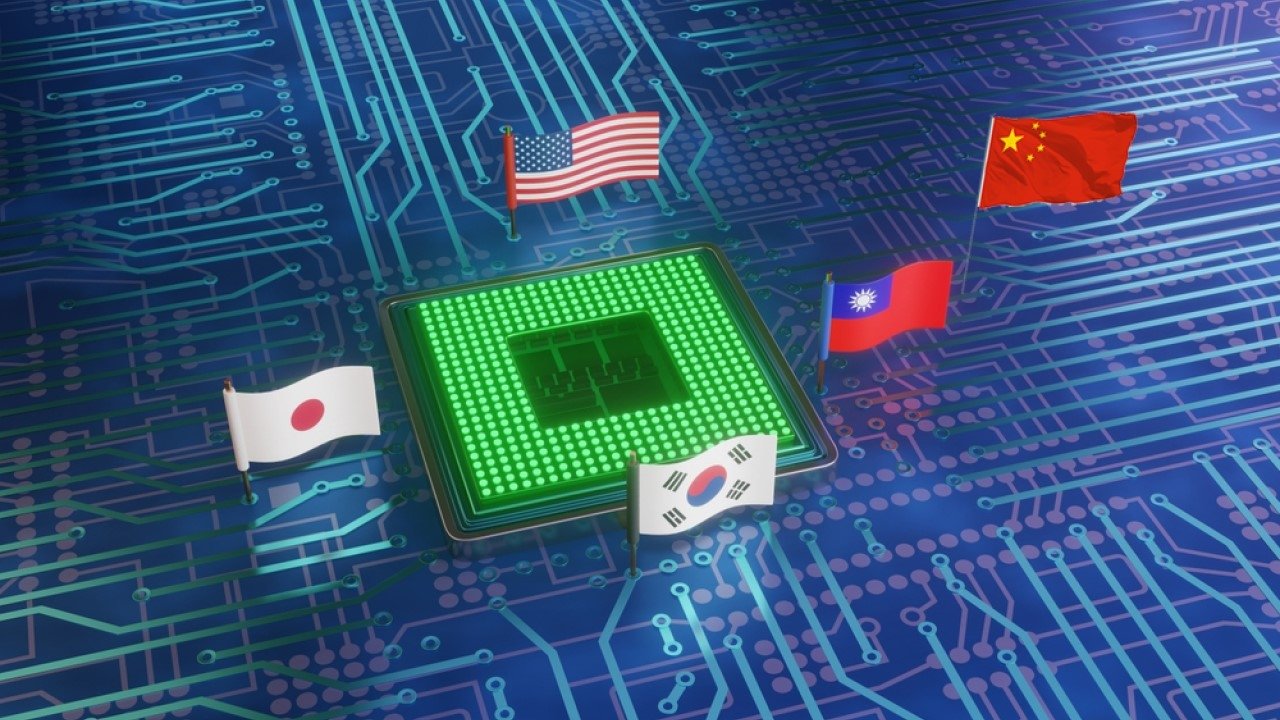
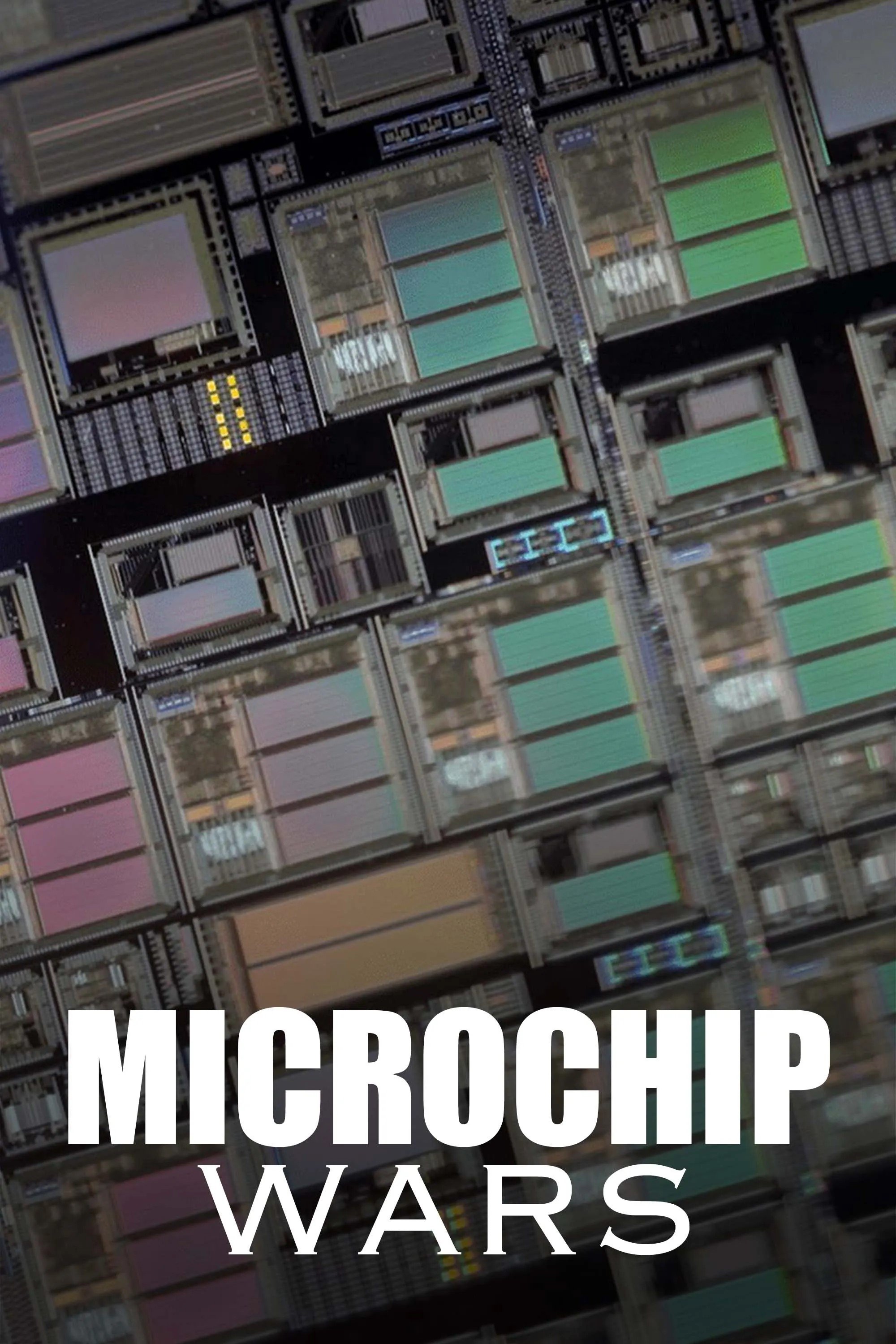
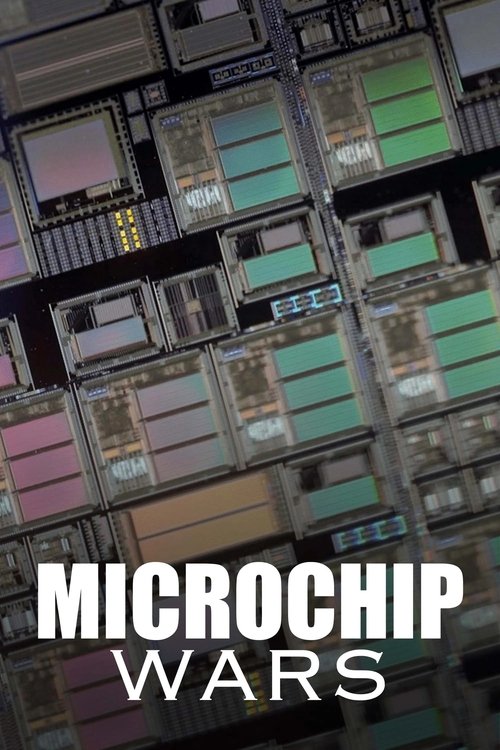
When the pandemic hit it highlighted how much Western countries rely on the chip industry. Today Europe, America and China are involved in an intense commercial struggle to dominate this sector that is so strategic for the future. From Taiwan to Shanghai, via Brussels and San Francisco, investigative journalist Nicolas Vescovacci went to meet the most influential players in this microchip war, which is redefining world geopolitics.
Top Cast




Damien Boisseau
Damien Boisseau
Self - Narrator
Damien Boisseau
Self - Narrator
Similar Movies
Who were the men and women of Project Apollo? Where are they today? What do they think of the extraordinary effort they helped make possible? Coinciding with the 50th anniversary of the first moon landing in 2019, When We Were Apollo is an intimate and personal look at the Apollo Space Program through the lives and experiences of some of its most inspiring behind-the-scenes figures: engineers, technicians, builders and contractors who spent the better part of a decade working to get us to the moon and back.
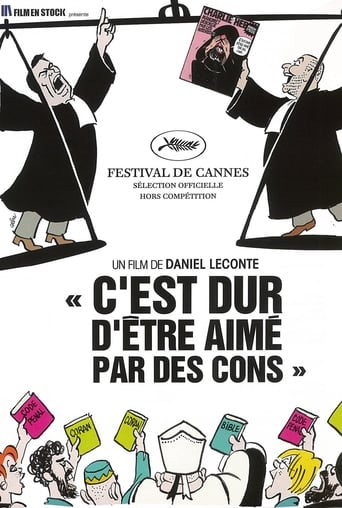
The murder of Dutch filmmaker Theo van Gogh by an Islamic extremist in 2004, followed by the publishing of twelve satirical cartoons depicting the prophet Mohammed that was commissioned for the Danish newspaper Jyllands-Posten, provides the incendiary framework for Daniel Leconte's provocative documentary, It's Hard Being Loved by Jerks.
Located on the shores of the Baltic Sea, between Poland and Lithuania, Kaliningrad is a piece of Russia in the heart of Europe. A curious territory, isolated from Moscow after the fall of the USSR, today transformed into a military fortress facing NATO. In Kaliningrad, headquarters of the Russian Baltic fleet, there are 30,000 soldiers, hypersonic missiles and nuclear capability.

Journalist Laurence Haïm, a 25-year U.S. correspondent, explores the complexities of this powerful nation. Following the presidential race between Kamala Harris and Donald Trump, she documents Trump’s campaign, the devotion of his supporters, and his appeal to the most religious and conservative wing of the American right.
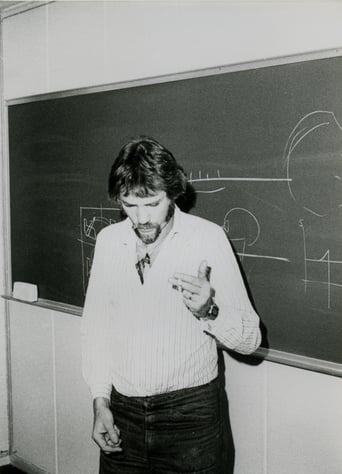
Based on the conversations Jösta Hagelbäck and Erik Ostlund had with Lars Kristiansson, a professor of information theory with data communication at Chalmers University in Gothenburg, Sweden. The talks took place at the difficult cancer sufferer Kristiansson's sick-bed and dealt with his insights in computer technology, his hopes and fears for the new technology, the role of religion, the history of mathematics, reasoning about algebra, analytic geometry and the fourth dimension, along with cultural outlooks over the Western society's lack of mysticism and spiritual values.
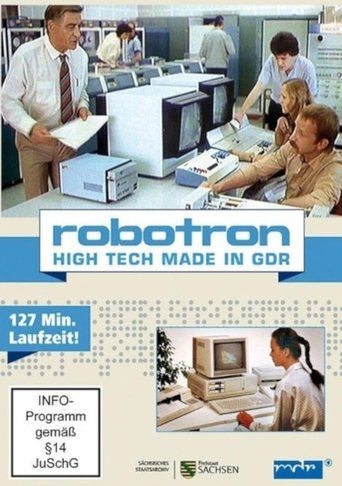
In a world divided by the Iron Curtain, East Germany sought to carve its niche in the technological race. Enter "Robotron" - a name that seamlessly blended "robot" and "electronics." This wasn't just a brand; it was an ambitious answer to the West's technological advancements, a testament to the GDR’s drive to match, if not surpass, Western innovation. Drawing inspiration from the corporate giants of the West, the GDR‘s government merged various businesses to form this tech behemoth. With 16 major hubs in Central Germany alone, it was clear: "Robotron" was to be the DDR's technological crown jewel. But what was the Socialist Unity Party (SED), the GDR's ruling party, envisioning with this grand venture? How did "Robotron" navigate the challenges of operating within a socialist planned economy, while striving for global excellence? And as it grew to dominate East Germany's tech landscape, why did it always seem to be one step behind the leading global tech powers?