

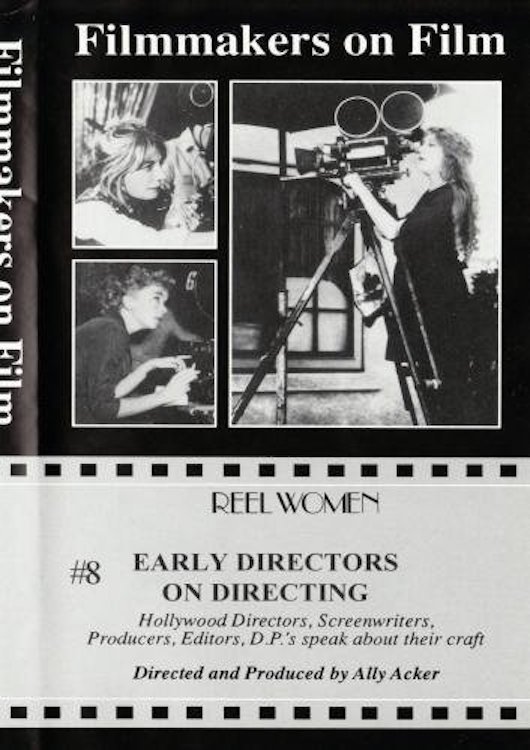
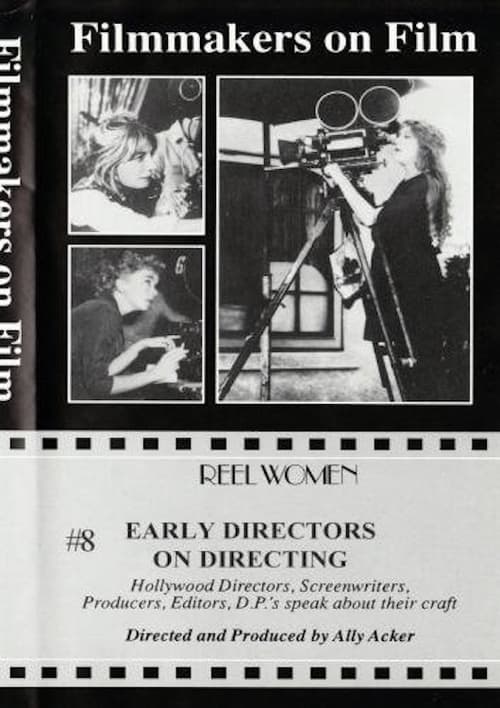
Early Directors on Directing
Documentary
Overview
There were more women directors before 1920 than at any other time in history. The first director to put a narrative story on celluloid was, Alice Guy Blaché in 1896. Few people know that Lillian Gish became a director in her own right in 1920. Ida Lupino directed over a hundred episodes of "Have Gun, Will Travel," "Thriller," "Gunsmoke," and many independent features.


Lillian Gish
Lillian Gish
Self
Lillian Gish
Self
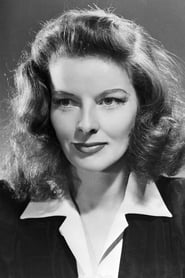
Katharine Hepburn
Katharine Hepburn
Self
Katharine Hepburn
Self

Mala Powers
Mala Powers
Self
Mala Powers
Self
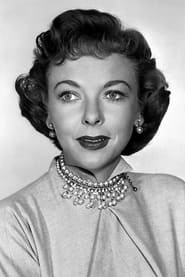
Ida Lupino
Ida Lupino
Self
Ida Lupino
Self

Jodie Foster
Jodie Foster
Self
Jodie Foster
Self
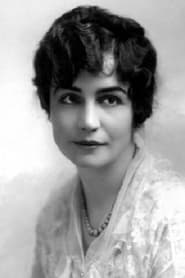
Lois Weber
Lois Weber
Self
Lois Weber
Self
Similar Movies
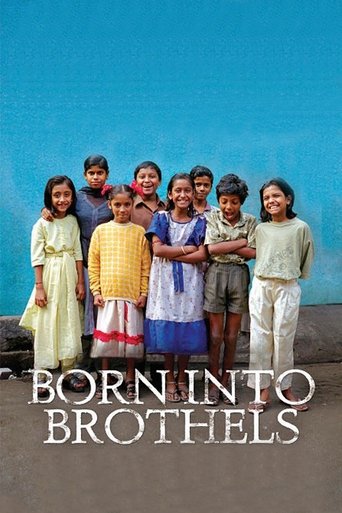
Documentary depicting the lives of child prostitutes in the red light district of Songachi, Calcutta. Director Zana Briski went to photograph the prostitutes when she met and became friends with their children. Briski began giving photography lessons to the children and became aware that their photography might be a way for them to lead better lives.
Far from the reverberations of contemporary society, the Guérande Salt Marshes have a rhythm of their own throughout the year. After winter restoration work, the mosaic of shallow salt pans are prepared, which let water circulate; combined with the effects of the sun and the wind, these allow the salt to crystallize. By the end of the process, as at the end of the film, the fine salt flower crystals float on the surface above the bigger crystals on the bottom in all directions at once.
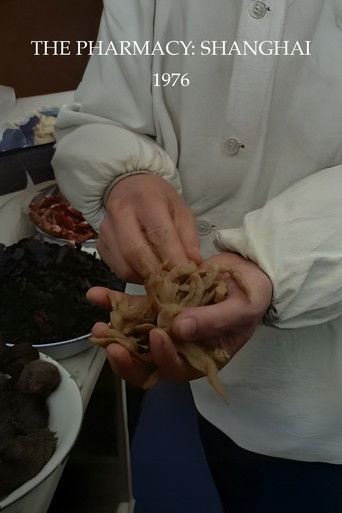
Filmed inside Pharmacy No. 3 in Shanghai, Joris Ivens and Marceline Loridan-Ivens document the daily work of a state pharmacy that functions as both a dispensary and a neighborhood medical center. The film focuses on routine interactions between staff and patients, revealing an integrated model of urban healthcare in 1970s China.

Henry Rollins narrates Lilly Scourtis Ayers' no-holds-barred profile of volatile Bay Area punk legend Marian Anderson, whose hypnotic beauty, devil-may-care rebellion and shocking sexual exploits onstage launched her to infamy before tragically dying of a heroin overdose at the tender age of 33.
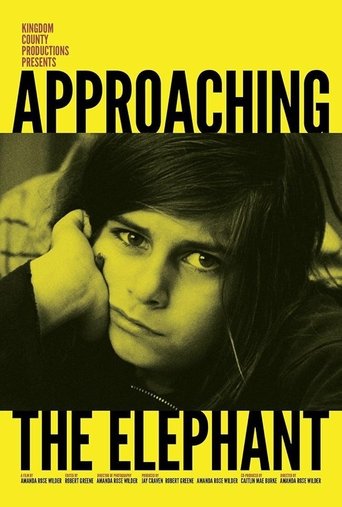
APPROACHING THE ELEPHANT is a feature-length documentary about The Teddy McArdle Free School, where classes are optional and rules are made by democratic vote. Summerhill, founded 90 years ago by A. S. Neill, was the first free school - now there are more than 200 worldwide. Approaching the Elephant chronicles a free school in the making - spanning two years, from Teddy McArdle's first day when there were no rules or classes, through the changing of the school's director and the expulsion of a student by democratic vote, to the last day of the second year, APPROACHING THE ELEPHANT is an intimate portrait of a small group of people from a range of educational backgrounds, come together to forge a place where children are treated as equals, at liberty to spend their days however they please.
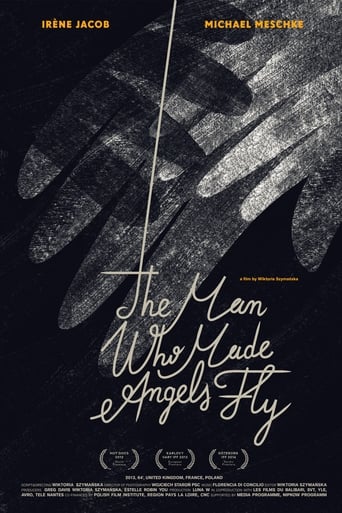
When the lights dim and the stage is revealed, Meschke channels life through the strings of his puppets, triggering the spiritual connection between the creator and his alter-egos: the charismatic Don Quixote, the loving Penelope, the inquisitive Baptiste, or the mysterious Antigone. THE MAN WHO MADE ANGELS FLY is a poetic story about a master of his craft that has inspired audiences to reflect upon common issues of suffering and the mortal coil. Visionary and un-biographic, imaginary tribute to the puppeteer.
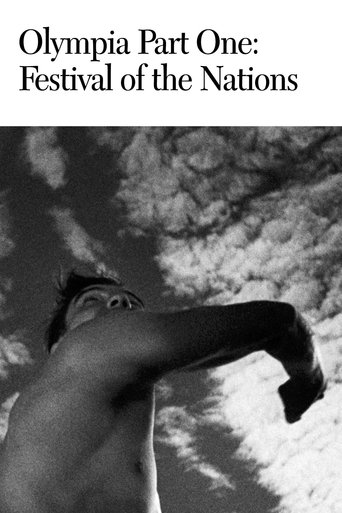
Starting with a long and lyrical overture, evoking the origins of the Olympic Games in ancient Greece, Riefenstahl covers twenty-one athletic events in the first half of this two-part love letter to the human body and spirit, culminating with the marathon, where Jesse Owens became the first track and field athlete to win four gold medals in a single Olympics.