

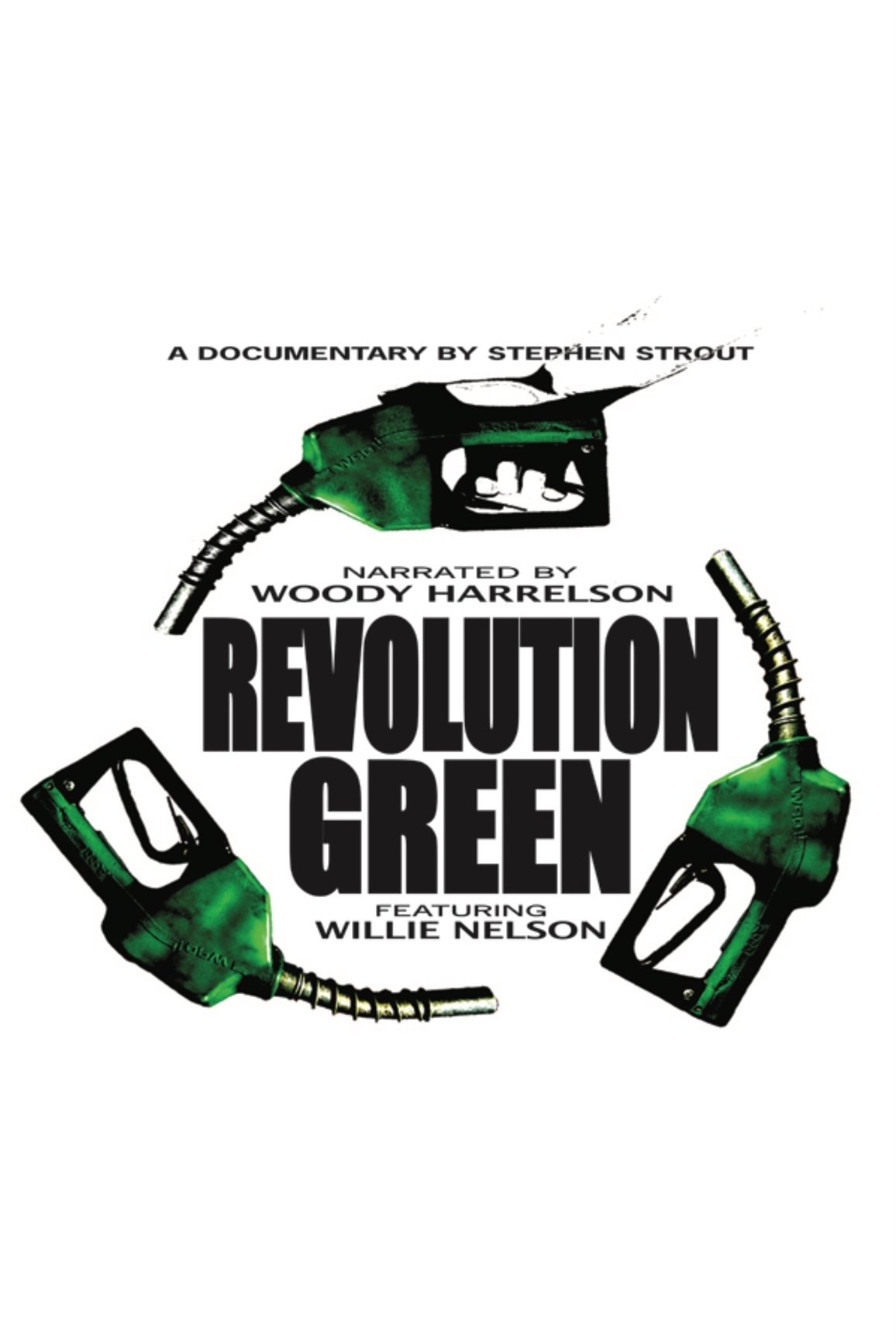
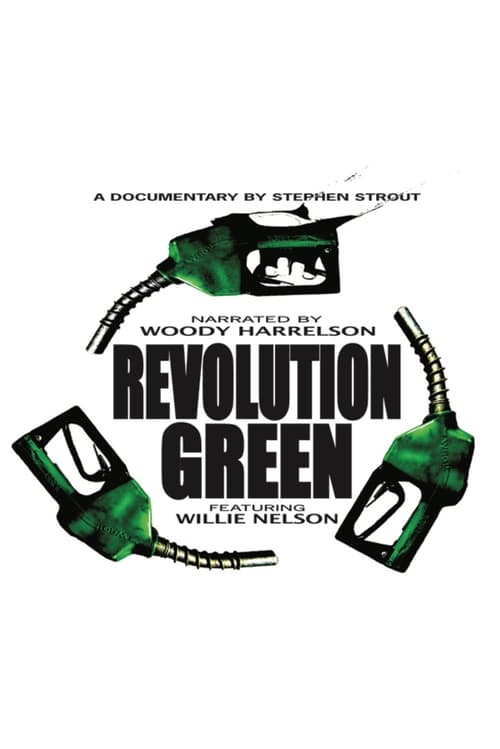
Revolution Green: A True Story...
Documentary
Overview
Revolution Green takes an uncompromised and revealing look at the energy crossroads America faces today through the lens of independent cinema, with the focus being on the individual choices we make.
Top Cast

John Browne
John Browne
Himself (as Lord John Browne)
John Browne
Himself (as Lord John Browne)
Carl Cornelius
Carl Cornelius
Himself
Carl Cornelius
Himself
Dwain Dippel
Dwain Dippel
Himself
Dwain Dippel
Himself
Eric Dippel
Eric Dippel
Himself
Eric Dippel
Himself
Ruebens Fonseca
Ruebens Fonseca
Himself
Ruebens Fonseca
Himself
Mike Frybarger
Mike Frybarger
Himself
Mike Frybarger
Himself
Aaron King
Aaron King
Himself
Aaron King
Himself
Bob King
Bob King
Himself
Bob King
Himself
Similar Movies

At first glance, Matthew VanDyke—a shy Baltimore native with a sheltered upbringing and a tormenting OCD diagnosis—is the last person you’d imagine on the front lines of the 2011 Libyan revolution. But after finishing grad school and escaping the U.S. for "a crash course in manhood," a winding path leads him just there. Motorcycling across North Africa and the Middle East and spending time as an embedded journalist in Iraq, Matthew lands in Libya, forming an unexpected kinship with a group of young men who transform his life. Matthew joins his friends in the rebel army against Gaddafi, taking up arms (and a camera). Along the way, he is captured and held in solitary confinement for six terrifying months.
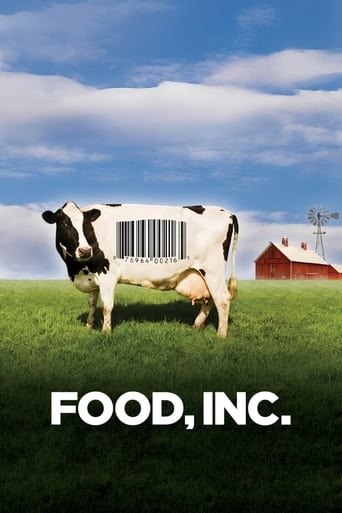
Documentary filmmaker Robert Kenner examines how mammoth corporations have taken over all aspects of the food chain in the United States, from the farms where our food is grown to the chain restaurants and supermarkets where it's sold. Narrated by author and activist Eric Schlosser, the film features interviews with average Americans about their dietary habits, commentary from food experts like Michael Pollan and unsettling footage shot inside large-scale animal processing plants.
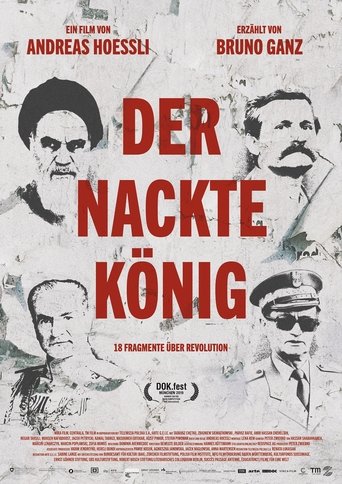
In 1979, a revolution in Iran. In 1980, a revolution in Poland. The fall of the Shah, the “King of Kings,” in Iran. Mass strikes and the foundation of Solidarność (Solidarity) in Poland. What was in the minds of the young women and men who fomented revolution in their own country? What did they think when their revolution was quelled, or – as in Iran – an authoritarian regime was instituted under the name of an “Islamic Republic”?
Dr. Helen Caldicott is the most prominent anti-nuclear activist in the world. She's been featured on CNN, 60 Minutes, CBC and Democracy Now. In the 80s, Helen Caldicott campaigned against nuclear weapons testing in the pacific (still responsible today for the majority of tritium we're exposed to), and against the notion of a winnable nuclear war. She was nominated for a Nobel Peace Prize for her efforts. She has always made inaccurate statements regarding civilian nuclear power. But, since the Fukushima-Diachii radiation release has caused (and is projected to cause) zero fatalities... http://www.unis.unvienna.org/unis/en/... ...her tone has changed when speaking to supporters. This has not been acknowledged by prime-time media, as they continue to use her as a source. Any person or media outlet should check Caldicott's history of statements (on any subject) against a domain expert before using her as a source.
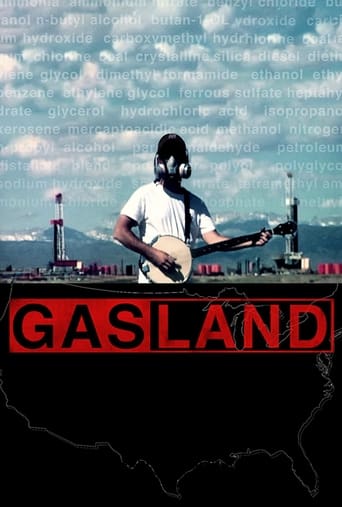
It is happening all across America-rural landowners wake up one day to find a lucrative offer from an energy company wanting to lease their property. Reason? The company hopes to tap into a reservoir dubbed the "Saudi Arabia of natural gas." Halliburton developed a way to get the gas out of the ground-a hydraulic drilling process called "fracking"-and suddenly America finds itself on the precipice of becoming an energy superpower.
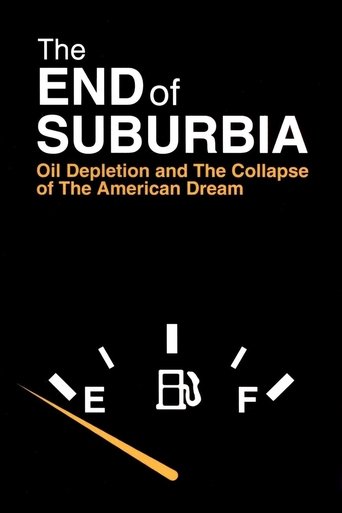
Since World War II North Americans have invested much of their newfound wealth in suburbia. It has promised a sense of space, affordability, family life and upward mobility. As the population of suburban sprawl has exploded in the past 50 years Suburbia, and all it promises, has become the American Dream. But as we enter the 21st century, serious questions are beginning to emerge...
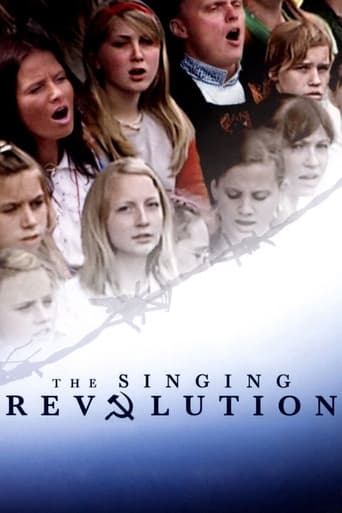
Most people don't think about singing when they think about revolutions. But song was the weapon of choice when, between 1986 and 1991, Estonians sought to free themselves from decades of Soviet occupation. During those years, hundreds of thousands gathered in public to sing forbidden patriotic songs and to rally for independence. "The young people, without any political party, and without any politicians, just came together ... not only tens of thousands but hundreds of thousands ... to gather and to sing and to give this nation a new spirit," remarks Mart Laar, a Singing Revolution leader featured in the film and the first post-Soviet Prime Minister of Estonia. "This was the idea of the Singing Revolution." James Tusty and Maureen Castle Tusty's "The Singing Revolution" tells the moving story of how the Estonian people peacefully regained their freedom--and helped topple an empire along the way.
Stolen Kosovo is a Czech language documentary by director Václav Dvořák (b. 1948), about the Serbian–Albanian conflict in Kosovo. The documentary describes the situation, first in a short overview of the history of the area, followed by the 1990s conflicts and bombing of Serbia by NATO forces in 1999 and ending with the situation after the Kosovo War. The documentary focuses on the 1990s in the time of Slobodan Milošević's rule as well as on numerous interviews of Serbian civilians and, less, of Albanian insurgents against the Milošević regime.