

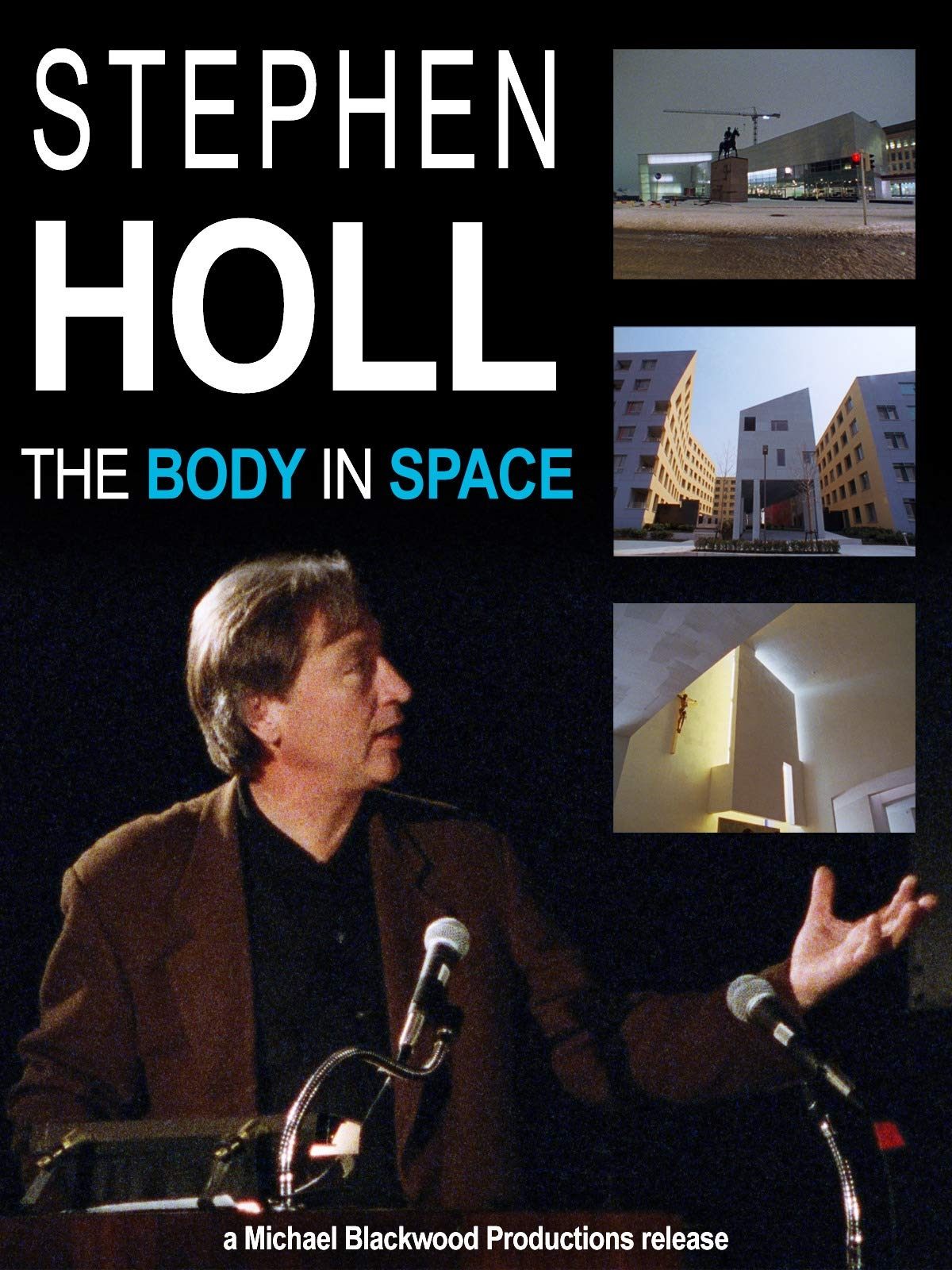
Steven Holl: The Body in Space
Documentary
Overview
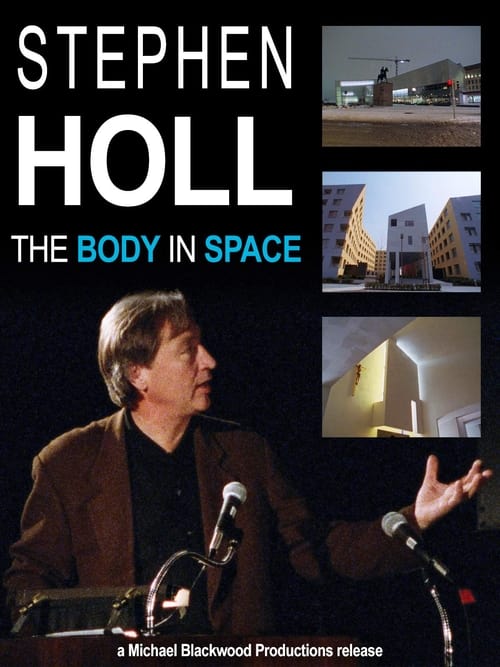
"Steven Holl: The Body in Space" explores the career of the innovative, highly renowned American architect. In this portrait Holl presents some of his most acclaimed works, including the Makuhari Housing Complex in Chiba, Japan and the Chapel of St. Ignatius in Seattle. Centered around the completion of Holl's Museum of Contemporary Art in Helsinki, the film observes his process and reasoning throughout the duration of the project


Steven Holl
Steven Holl
Self
Steven Holl
Self

Vito Acconci
Vito Acconci
Self
Vito Acconci
Self
Tuula Arkio
Tuula Arkio
Self
Tuula Arkio
Self
Juhani Pallasmaa
Juhani Pallasmaa
Self
Juhani Pallasmaa
Self
Similar Movies
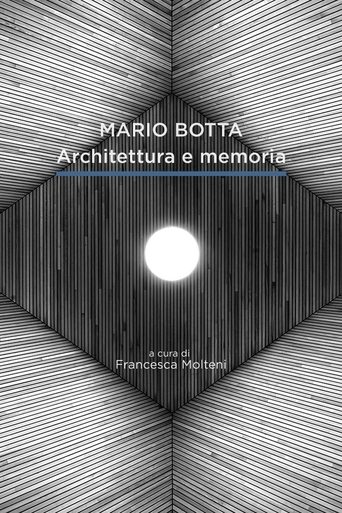
The film arose from an encounter with Mario Botta during the 2013 Architecture and Memory exhibit held at the Charlotte, North Carolina Bechtler Museum of Modern Art which was designed by the architect. The exhibit gathered and then proposed to the public the Swiss architect’s most significant projects spanning the gamut from his first single-family homes, original expressions of the School of Ticino, to his large public buildings, libraries, theatres, museums, churches and synagogues which have been built across the globe and features more than 90 works. The film is a dialogue on the themes which characterize Mario Botta’s vision and practice: his relationship with history and the territory, the designing of collective spaces, encounters with the leading protagonists of the 20th century. The interview, conducted in Mario Botta’s studio in Mendrisio, is replete with photographic materials, designs and sketches which document his “spaces of memory”.
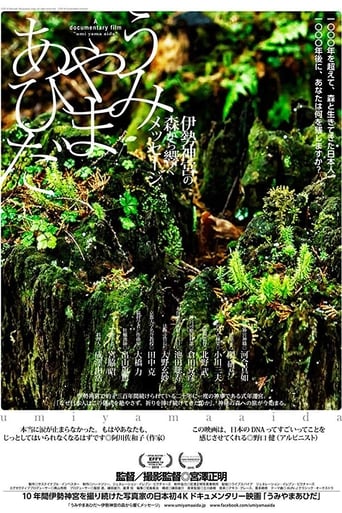
Finding their place between the forest and the sea, the Japanese have always felt awe and gratitude toward Nature. Since ancient times, they have negotiated their own unique relationship with their natural surroundings. Acclaimed photographer Masa-aki Miyazawa discovered the essence of that ancient way of living in Ise Jingu, Japan’s holiest Shinto shrine. Inspired by the idea of sending a message to the future in the same way this ancient shrine keeps alive the traditions of the past, Miyazawa used an ultra-high resolution 4K camera to create a breathtaking visual journey linking the Ise forest with other forests throughout Japan.
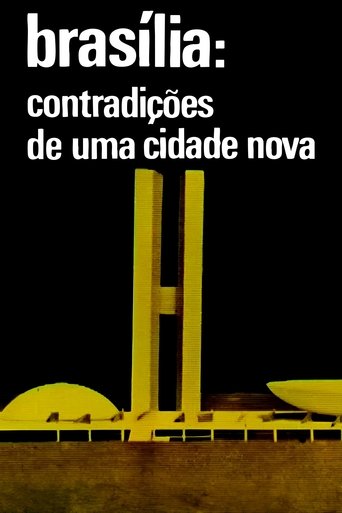
In 1967, de Andrade was invited by the Italian company Olivetti to produce a documentary on the new Brazilian capital city of Brasília. Constructed during the latter half of the 1950s and founded in 1960, the city was part of an effort to populate Brazil’s vast interior region and was to be the embodiment of democratic urban planning, free from the class divisions and inequalities that characterize so many metropolises. Unsurprisingly, Brasília, Contradições de uma Cidade Nova (Brasília, Contradictions of a New City, 1968) revealed Brasília to be utopic only for the wealthy, replicating the same social problems present in every Brazilian city. (Senses of Cinema)
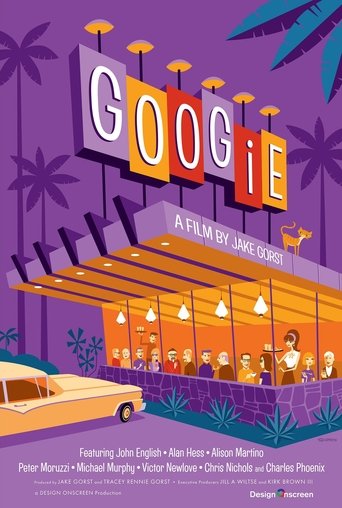
Googie architecture was one of the most visually exuberant and culturally formative design movements of the mid-20th century, yet it remains widely misunderstood. Defined by bold angles, sweeping rooflines, neon signage, and a sense of space-age optimism, Googie transformed everyday buildings into roadside spectacle. Coffee shops, bowling alleys, car washes, banks, and churches were designed not just for function, but to captivate motorists cruising by. Rooted in Los Angeles, the movement drew inspiration from visionary architects such as Frank Lloyd Wright and John Lautner, while firms like Armet & Davis brought futuristic flair to the commercial landscape. Though many original structures have been lost, preservationists now champion Googie as a serious architectural expression—one that captured the aspirations of postwar America and reshaped the visual identity of the modern city.

In the heart of Paris, an entire palace has disappeared. It was the very first residence of the kings of France. Long before Versailles, long before the Louvre, the Palais de la Cité stood on the most prestigious island in Paris, the historic cradle of France, facing Notre-Dame. So majestic in the Middle Ages, this palace has become a ghost of history. Over the centuries, this architectural masterpiece has almost completely disappeared. A trio of experts will resurrect it in 3D. Using science and unprecedented excavations, they will track down the pieces of the puzzle to reconstruct it at its peak in the 14th century, and bring back to life those who inhabited it. From the Romans to the Vikings, from Saint Louis to the cursed kings, all have left clues of this 'Versailles of the Middle Ages'.
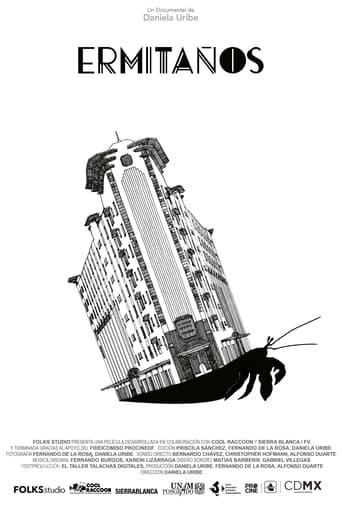
In the midst of the chaos of México City, a group of eight bachelor millennials who call themselves ´The Hermits´, open the doors to their tiny apartments in the historic Ermita Building, in the yet-to-be gentrified neighborhood of Tacubaya, and share their life experiences in a time when precarity changes the way in which we love, feel and relate to each other. As we explore the homes of these eight neighbors, we also witness their personalities intersect in a Whatsapp chat, a virtual space that functions as a supporting system that helps them face the adversities that living alone in this city brings.
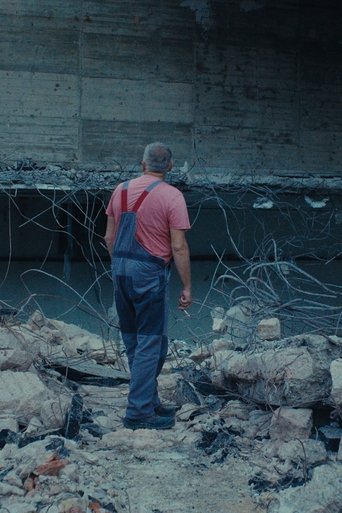
A Berlin street corner is slowly changing: an aging supermarket turns into a construction site and finally a new building. People restock shelves, demolish walls, take breaks and count money. Those who work here participate in the making and unmaking of the place. How does it shape the conditions of their labor? Between supermarket aisles, construction scaffolding and exposed concrete, different versions begin to overlap. Repetitions appear like echoes between worlds, both playful and eerie.