

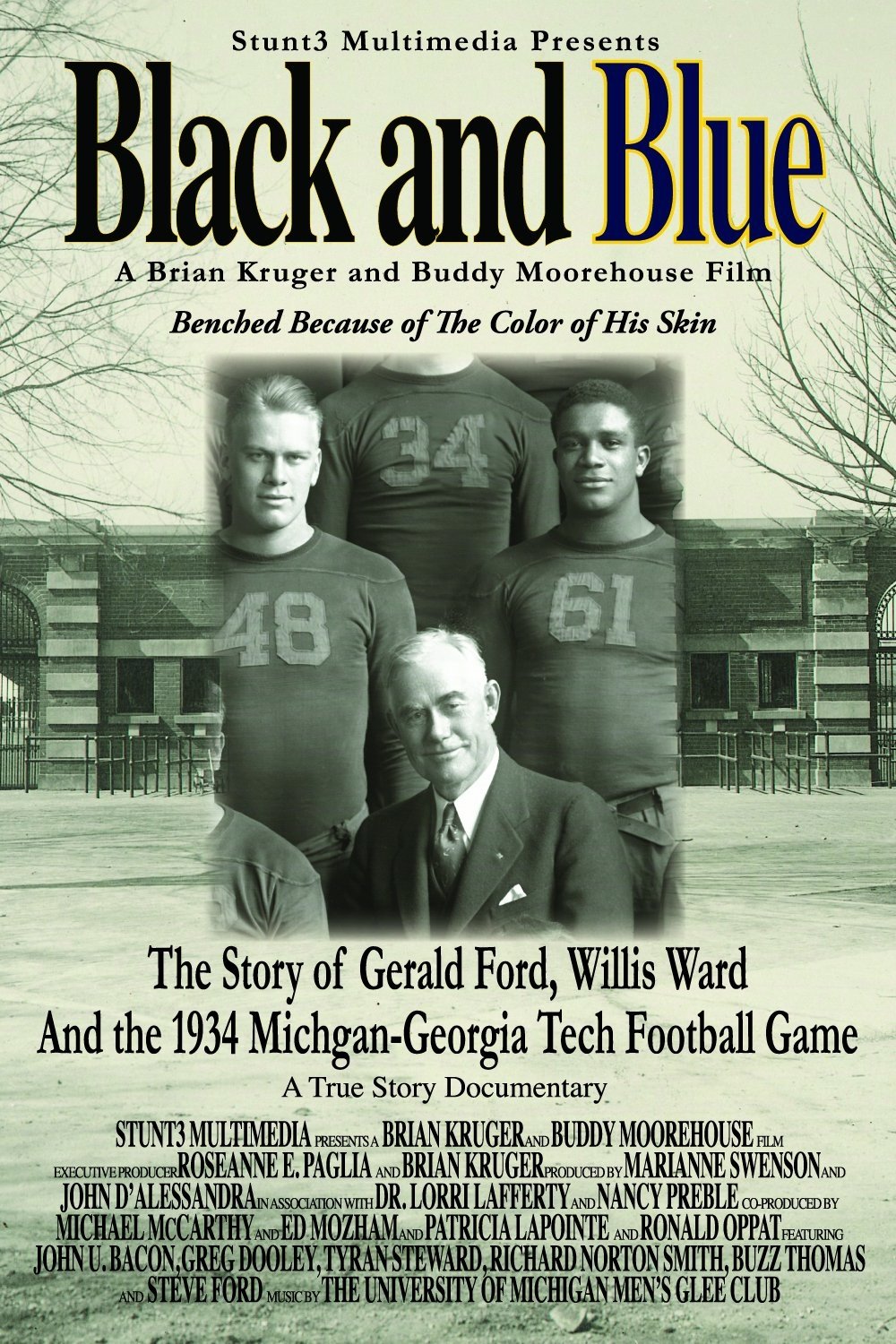
Black and Blue
Documentary
Overview
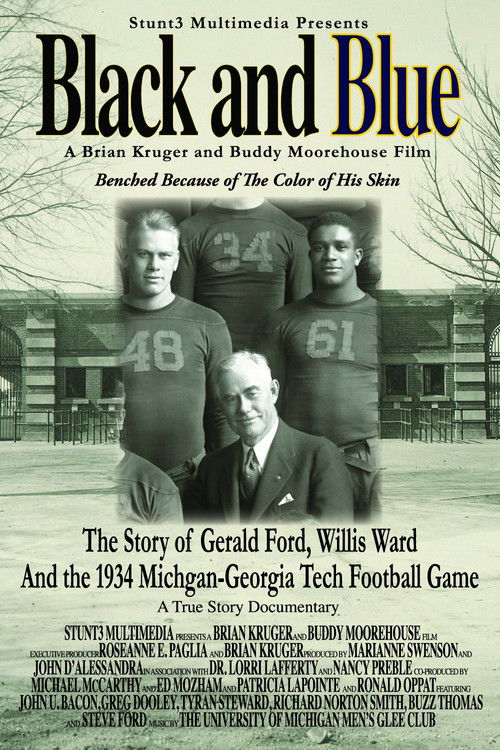
When Georgia Tech came to Michigan in 1934, the Wolverines were forced to bench their best play, Willis Ward, because he was an African-American. The incident infuriated Ward’s best friend on the team, a future president by the name of Jerry Ford, who threatened to quit the team in response. The friendship that began in the Big House lasted all the way to the White House. This is the story of two schools, two friends, and a game that changed everything.
Top Cast

Brian Kruger
Brian Kruger
Self - Narrator
Brian Kruger
Self - Narrator
John Bacon
John Bacon
Self
John Bacon
Self
Similar Movies
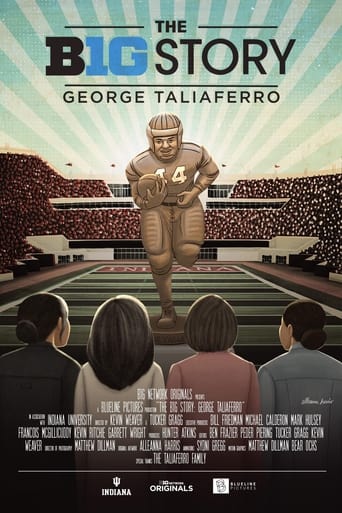
He was the first Black American drafted in the NFL, the only man to play 7 positions in the NFL. In college, his popularity enabled him to racially integrate the town of Bloomington, Indiana. He even integrated the local theater with the twist of a screwdriver. So why does no one know his name?
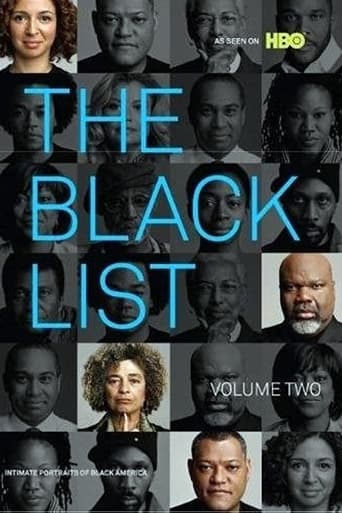
THE BLACK LIST: VOL. 2 profiles some of today's most fascinating African-Americans. From the childhood inspirations that shaped their ambitions, to the evolving American landscape they helped define, to the importance of preserving a unique cultural identity for future generations, these prominent individuals offer a unique look into the zeitgeist of black America, redefining the traditional pejorative notion of a blacklist.
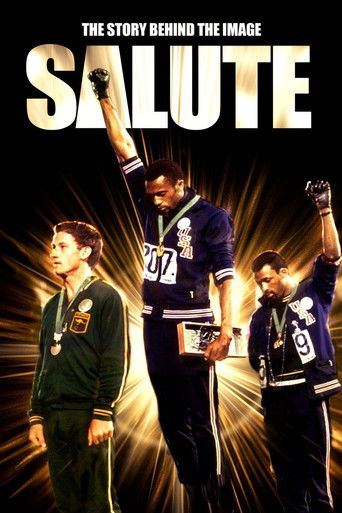
The black power salute by Tommie Smith and John Carlos at the 1968 Mexico Olympics was an iconic moment in the US civil rights struggle. Far less known is the part in that episode in history played by Peter Norman, the white Australian on the podium who had run second — and the price paid afterward by all three athletes.
With no choice, César faced leaving his family behind, quitting his job and joining the Army. In an unprecedented chain of events he became the first conscientious objector in Galicia (Spain) to be put in prison. Now, nearly thirty years later, Two Years, Four Months, A Day takes a look at what made him do it.
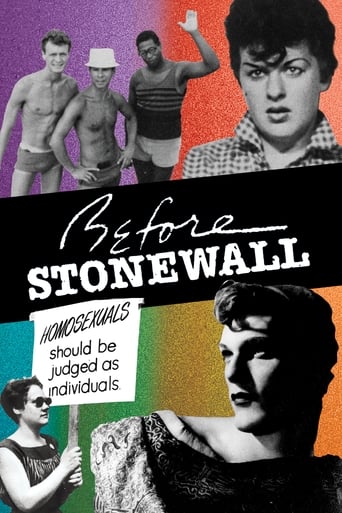
New York City's Stonewall Inn is regarded by many as the site of gay and lesbian liberation since it was at this bar that drag queens fought back against police June 27-28, 1969. This documentary uses extensive archival film, movie clips and personal recollections to construct an audiovisual history of the gay community before the Stonewall riots.