


Comedy
Overview
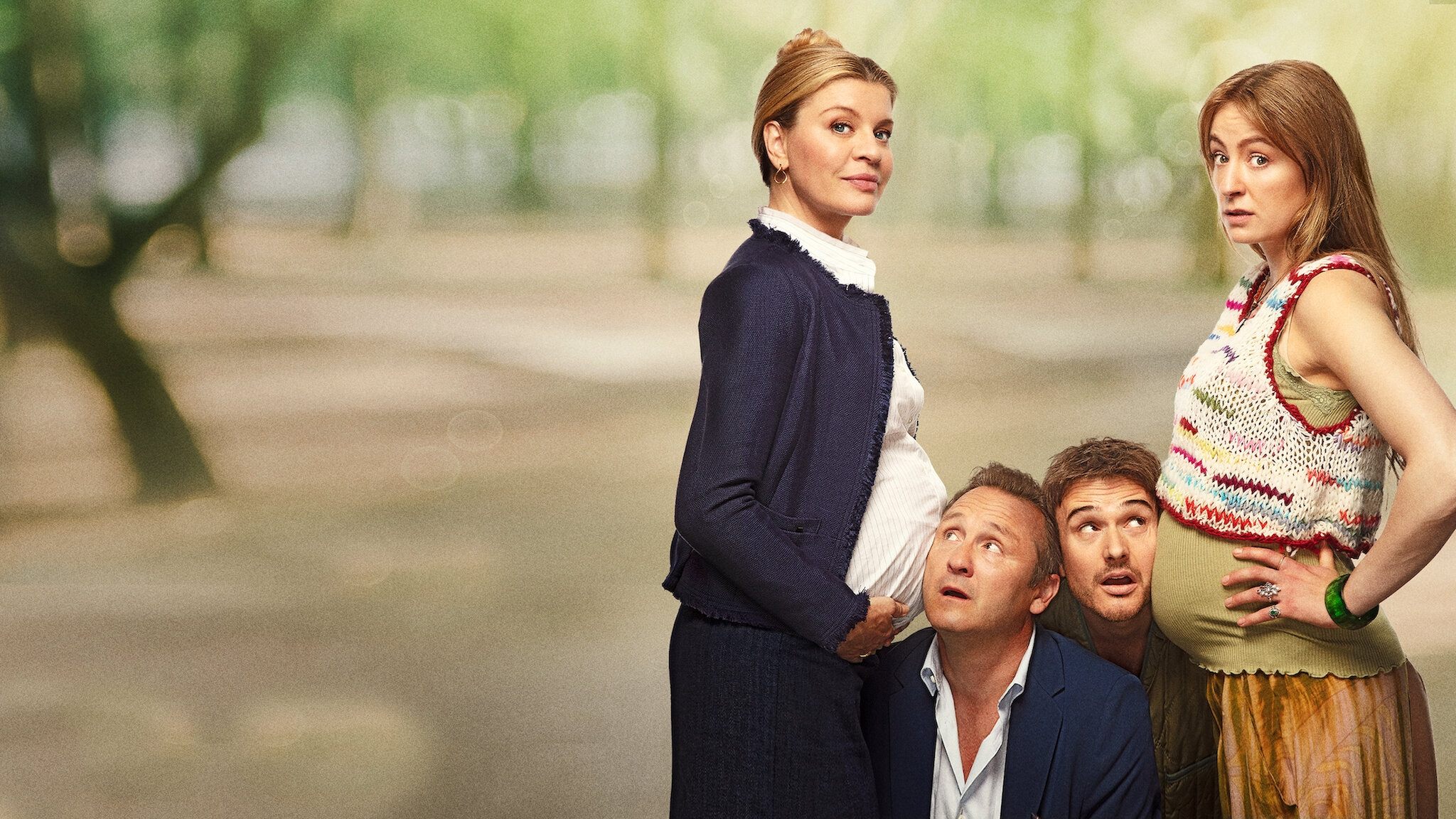
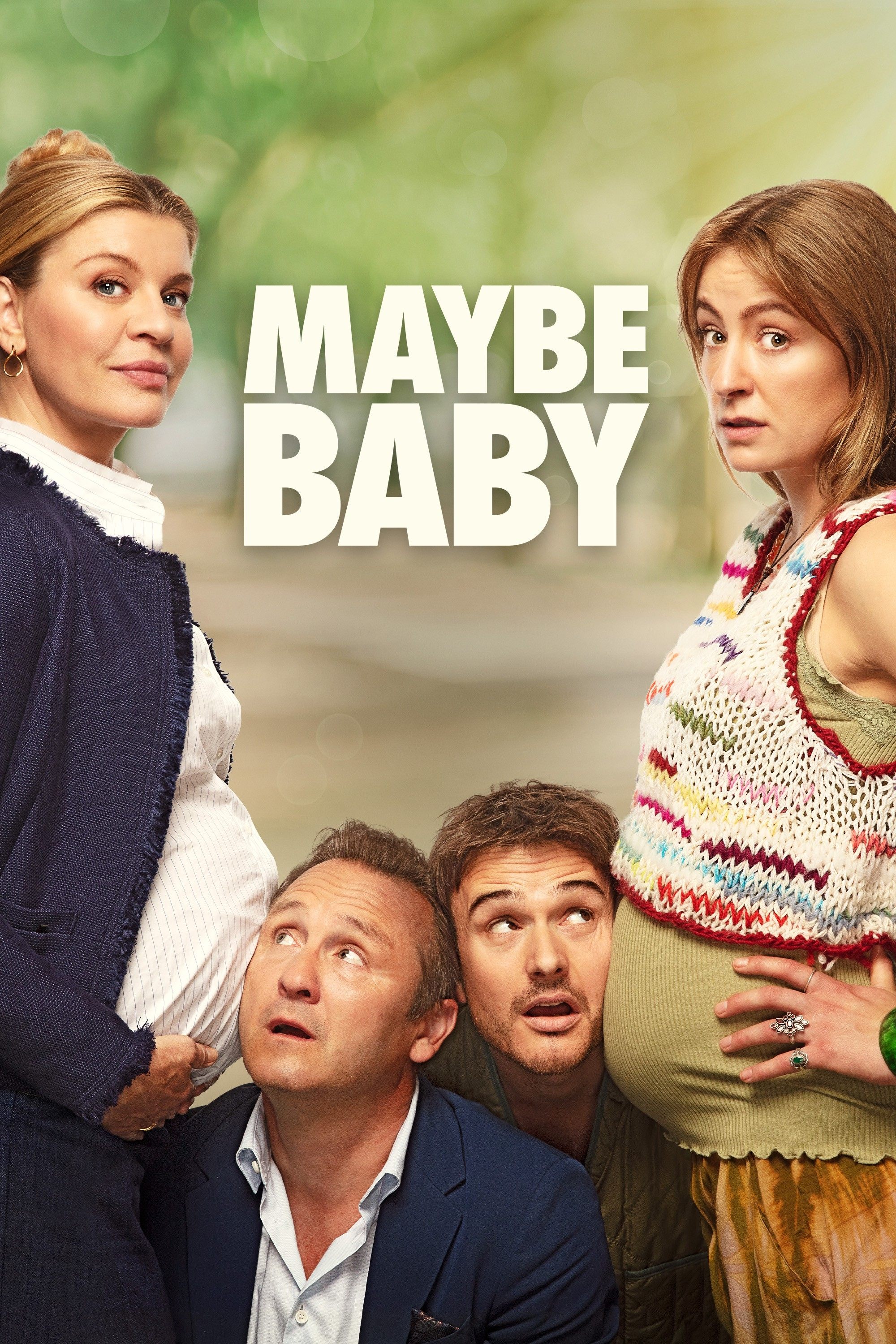
When two pregnant women learn that the fertility clinic mistakenly swapped their eggs, they must navigate the error — and their disdain for each other.







Mille Dinesen
Mille Dinesen
Mille Dinesen

Lars Ranthe
Lars Ranthe
Lars Ranthe

Thomas Bo Larsen
Thomas Bo Larsen
Thomas Bo Larsen

Neel Rønholt
Neel Rønholt
Neel Rønholt

Laura Bro
Laura Bro
Laura Bro
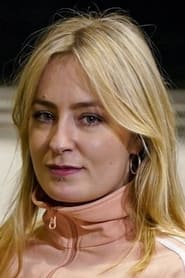
Katinka Lærke Petersen
Katinka Lærke Petersen
Katinka Lærke Petersen

Kasper Dalsgaard
Kasper Dalsgaard
Kasper Dalsgaard

Sarah Boberg
Sarah Boberg
Sarah Boberg

Solbjørg Højfeldt
Solbjørg Højfeldt
Solbjørg Højfeldt
Similar Movies

Blogger Cole faces losing his job unless he changes his wild lifestyle and can learn to write from the female perspective. After learning about Cherry, a pregnant woman who is dating in her third trimester, he decides to make her the subject of her story and asks her out. Who is the father? And why is she dating? And does a pregnant woman really have the right to her own autonomy?

At Milan’s Niguarda public hospital, the unconventional Dr. Bini leads a bold mission overseeing aspiring parents undergoing in vitro fertilization and the journeys of individuals reconciling their bodies with their gender identities. He navigates the constraints set by a conservative government and an aggressive market eager to commodify bodies.
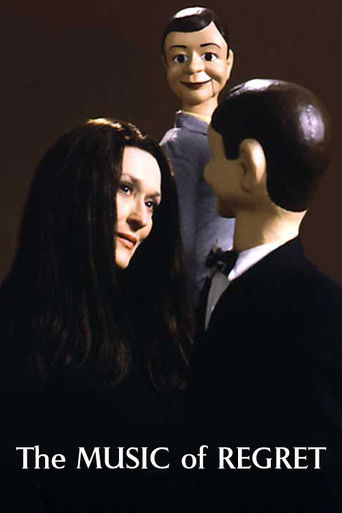
Simmons, best-known for her photographs of miniature rooms populated by dolls and of oversized objects—such as a house, birthday cake, and pistol—balanced on female legs, both human and fake, brings these characters to life in a three-act mini-musical. The film is inspired by three distinct periods of Simmons’s photographic work: vintage hand puppets, ventriloquist dummies and walking objects enact tales of ambition, disappointment, love, loss, and regret. Working with composer Michael Rohaytn ("Personal Velocity") and cameraman Ed Lachman ("The Virgin Suicides" and "Far From Heaven"), Simmons’s puppets come to life in miniature domestic scenes that echo real life.
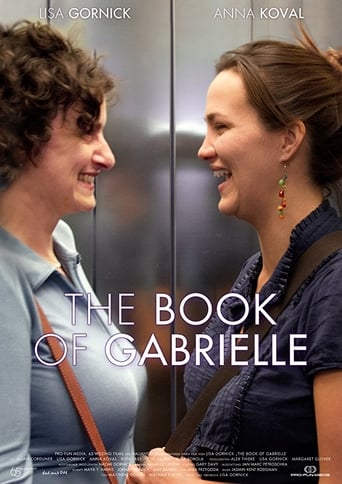
Gabrielle is writing an illustrated guide book on sex called 'How To Do It.' At a book signing she meets Saul, an established male writer who is straight. She both loves and hates his work which has seeped into her secular Jewish life from childhood. The more Gabrielle tells him about her book the more he wants to know about her life; the relationship with her younger girlfriend Olivia and her determination to "stop using my penis in sex". As her book takes form, is Saul jealous or desirous? Their friendship is tested as is Gabrielle's relationship with Olivia. The film muses on how we write, how we draw. And the nature of "story" and what it makes us do.