


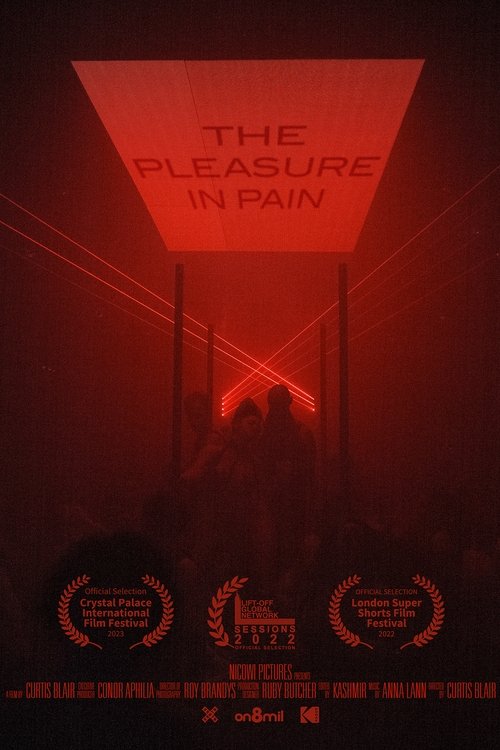
The Pleasure in Pain
Documentary
Overview
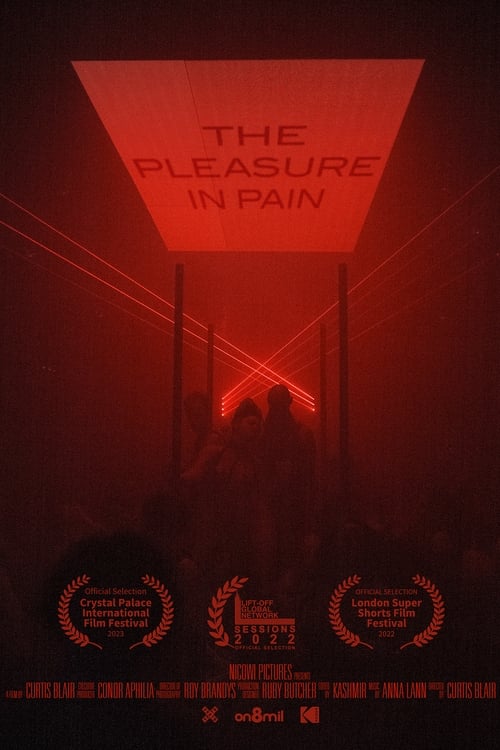
A short film that follows key figures of the London kink scene on an exploration into BDSM and the notorious fetish event Klub Verboten. The film touches upon themes of psychology, trauma, LGBTQ+ rights and black representation.






Adreena Angela
Adreena Angela
Self
Adreena Angela
Self
Conor Aphilia
Conor Aphilia
Self
Conor Aphilia
Self
Oliver Dunk
Oliver Dunk
Self
Oliver Dunk
Self

Sebastian Edwards
Sebastian Edwards
Self
Sebastian Edwards
Self
Luca Federici
Luca Federici
Self
Luca Federici
Self
Samuel Joshuas
Samuel Joshuas
Self
Samuel Joshuas
Self
Miriam Veil
Miriam Veil
Self
Miriam Veil
Self
Cherry Velour
Cherry Velour
Self
Cherry Velour
Self
Karl Verboten
Karl Verboten
Self
Karl Verboten
Self
Similar Movies
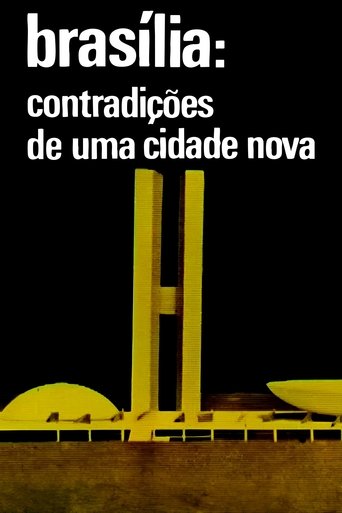
In 1967, de Andrade was invited by the Italian company Olivetti to produce a documentary on the new Brazilian capital city of Brasília. Constructed during the latter half of the 1950s and founded in 1960, the city was part of an effort to populate Brazil’s vast interior region and was to be the embodiment of democratic urban planning, free from the class divisions and inequalities that characterize so many metropolises. Unsurprisingly, Brasília, Contradições de uma Cidade Nova (Brasília, Contradictions of a New City, 1968) revealed Brasília to be utopic only for the wealthy, replicating the same social problems present in every Brazilian city. (Senses of Cinema)

In the indigenous communities around the town of Juchitán, the world is not divided simply into males and females. The local Zapotec people have made room for a third category, which they call “muxes” - men who consider themselves women and live in a socially sanctioned limbo between the two genders.
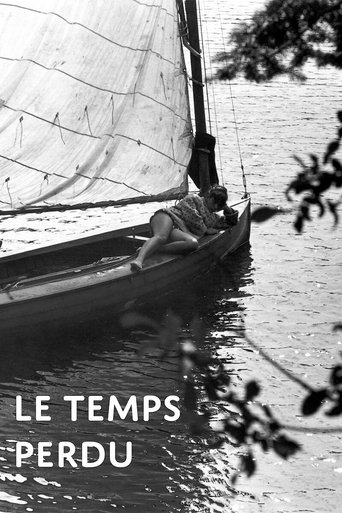
A 16 year old girl recalls the last moments of her summer vacation, spent with friends in the Laurentians north of Montreal. She reminisces about their talks on life, death, love, and God. Shot in direct cinema style, working from a script that left room for the teenagers to improvise and express their own thoughts, the film sought to capture the immediacy of the youths presence their bodies, their language, their environment.
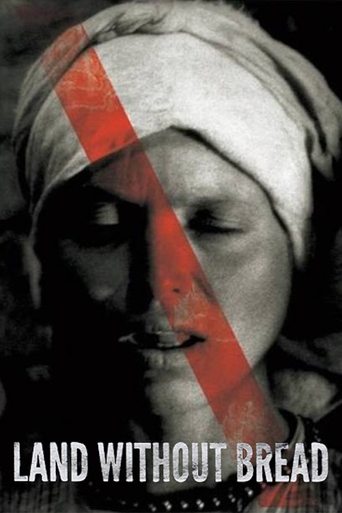
An exploration —manipulated and staged— of life in Las Hurdes, in the province of Cáceres, in Extremadura, Spain, as it was in 1932. Insalubrity, misery and lack of opportunities provoke the emigration of young people and the solitude of those who remain in the desolation of one of the poorest and least developed Spanish regions at that time.
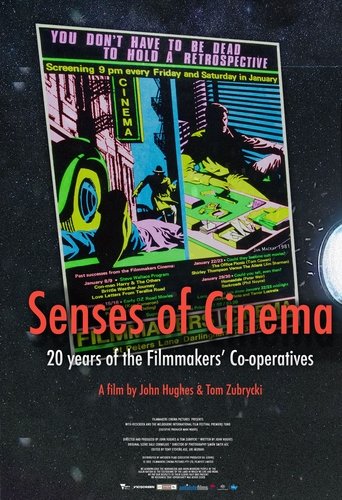
As notions of civil rights transformed across the world, so was the screen landscape reformed by the ascension of grassroots film movements seeking to challenge the mainstream. Some aspired to push form to its limit; others worked to destabilise what they saw as a homogenous industry, or to provoke questions around gender, sexuality, migration and race.