


The Forgotten Battle of Fort Pillow
Documentary · History · War
Overview
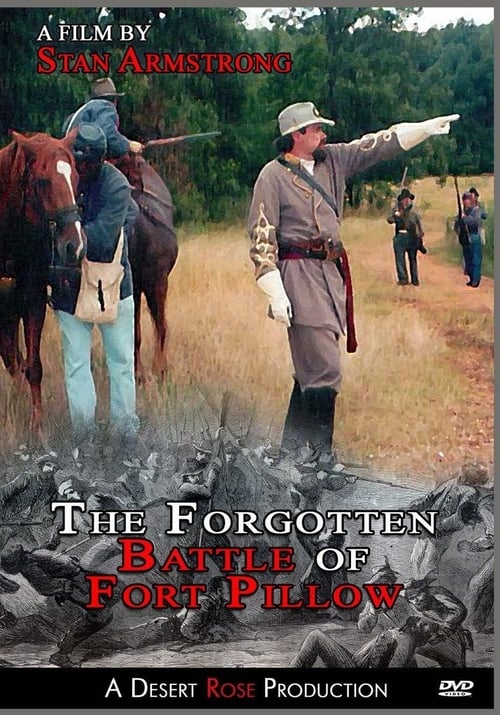
On April 12th, 1864, at an insignificant little fort, several hundred black Union soldiers fought a hopeless battle against a Confederate general who was destined to become the first Grand Wizard of the KKK. This battle had a domino effect, trickling down the long road of history. Today, it is just a footnote in most history books; however, no other event of the Civil War has had such a profound impact on the twentieth century, especially on American culture.



No cast information.
Similar Movies
The crew of kontroll.hu traveled to Transcarpathia, Ukraine, to film among orphaned children in Munkács and lonely elders in Tiszakeresztúr. The documentary follows a single day in the life of Reverend József Sipos, a Reformed pastor whose calling extends far beyond the pulpit. From abandoned hospital wards to remote village homes, he brings words of comfort, food, and aid to those left behind in the shadow of the Russian–Ukrainian war. Just a mile and a half from the Hungarian border—a mile and a half from peace—the film reveals the stark reality of life lived on the very edge of hope.
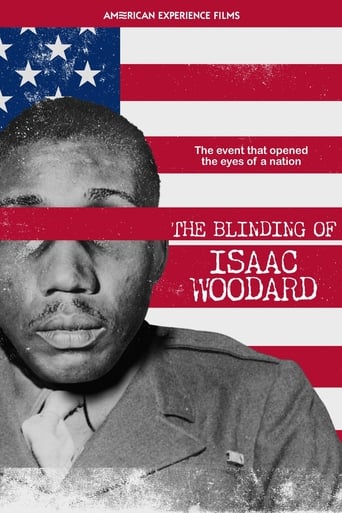
In 1946, Isaac Woodard, a Black army sergeant on his way home to South Carolina after serving in WWII, was pulled from a bus for arguing with the driver. The local chief of police savagely beat him, leaving him unconscious and permanently blind. The shocking incident made national headlines and, when the police chief was acquitted by an all-white jury, the blatant injustice would change the course of American history. Based on Richard Gergel’s book Unexampled Courage, the film details how the crime led to the racial awakening of President Harry Truman, who desegregated federal offices and the military two years later. The event also ultimately set the stage for the Supreme Court’s landmark 1954 Brown v. Board of Education decision, which finally outlawed segregation in public schools and jumpstarted the modern civil rights movement.

It is El Salvador, 1989, three years before the end of a brutal civil war that took 75,000 lives. Maria Serrano, wife, mother, and guerrilla leader is on the front lines of the battle for her people and her country. With unprecedented access to FMLN guerrilla camps, the filmmakers dramatically chronicle Maria's daily life in the war.
On the eve of the Israeli attack on Egypt in 1956, Israel declares martial law in all the occupied Arab territories without any previous notice. When the villagers of Kafr Kassem returned home from the fields, they were butchered and killed in what is known today as the massacre of “Kafr Kassem”.

As filmmaker Maria Carolina Telles comes to terms with the death of her father, a man who regretted never making it to the frontlines of World War II, she focuses her lens on the life of another man who had his own unique experience as a civilian in the midst of combat: award-winning war photographer André Liohn.
Edward Said's book Orientalism has been profoundly influential in a diverse range of disciplines since its publication in 1978. In this engaging and lavishly illustrated interview he talks about the context within which the book was conceived, its main themes, and how its original thesis relates to the contemporary understanding of "the Orient" as represented in the mass media. "That's the power of the discourse of Orientalism. If you're thinking about people and Islam, and about that part of the world, those are the words you constantly have to use. To think past it, to go beyond it, not to use it, is virtually impossible, because there is no knowledge that isn't codified in this way about that part of the world." -Edward Said