

Emergency: The Living Theatre
Drama · Documentary
Overview
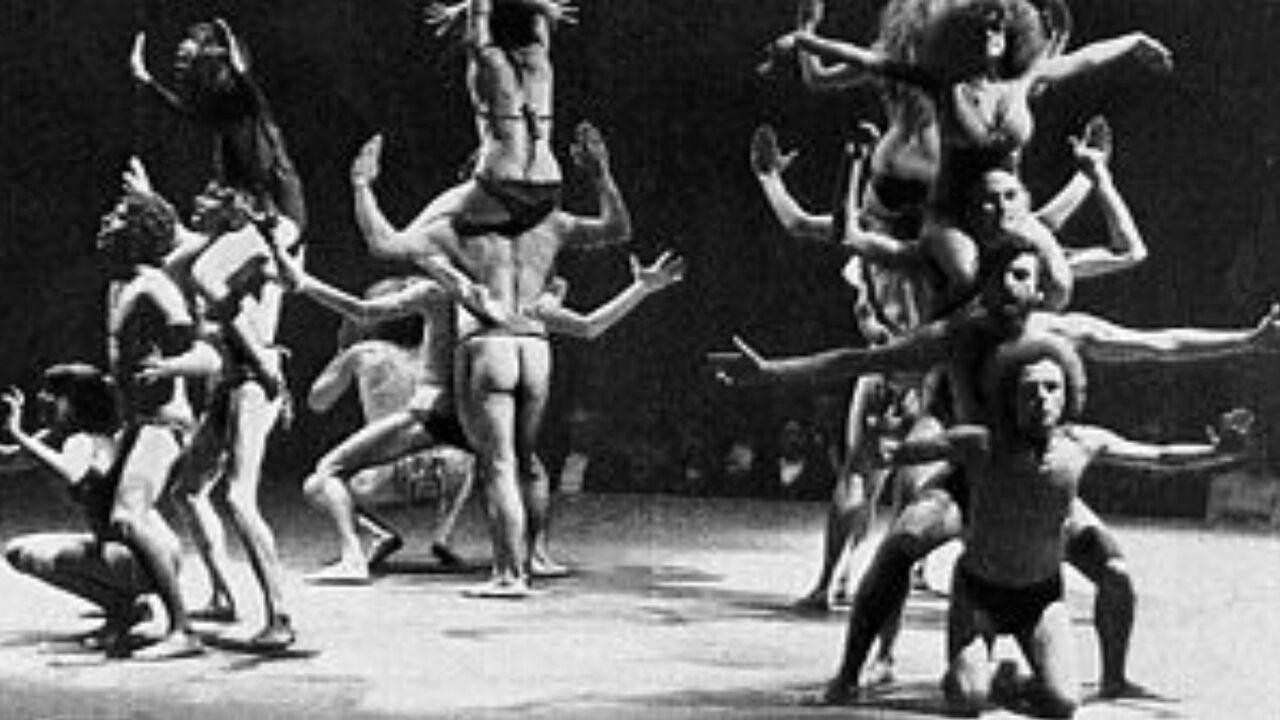
a 32-minute color film by Gwen Brown, featuring precious footage of Living Theatre productions “Mysteries” and smaller pieces, “Paradise Now” and “Frankenstein.” “The fusion of Brown’s freewheeling direct cinema and the Living Theatre’s performance for revolutionary change (amidst the heydays of both) unite as a dynamic concoction of the era, yielding for the viewer a shifting terrain of both critical insight and ecstatic zeal, not as a vacant nostalgia for a pre-commodified radicality, but as tactical inspiration for future days.” – Andrew Wilson (Artist’s Access Television)



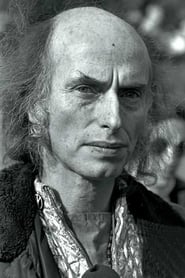
Julian Beck
Julian Beck
Self
Julian Beck
Self
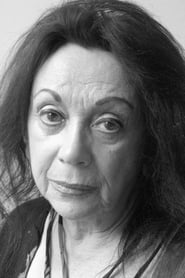
Judith Malina
Judith Malina
Self
Judith Malina
Self
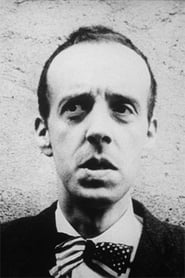
Taylor Mead
Taylor Mead
Self
Taylor Mead
Self
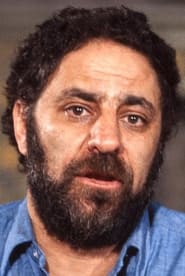
Abbie Hoffman
Abbie Hoffman
Self
Abbie Hoffman
Self
Similar Movies
A aspiring novelist operates a tiny neighborhood bookstore. His wife is a talented painter. Their marriage is disintegrating, and they are about to sign their divorce papers. Meanwhile, the legendary Casanova and his lover Lavinia are characters trapped inside of a 17th-century children's book. The tragedy of the impending divorce triggers the release of Casanova and Lavinia from the confines of the children's pop-up book.
After concluding the now-legendary public access TV series, The Pain Factory, Michael Nine embarked on a new and more subversive public access endeavor: a collaboration with Scott Arford called Fuck TV. Whereas The Pain Factory predominantly revolved around experimental music performances, Fuck TV was a comprehensive and experiential audio-visual presentation. Aired to a passive and unsuspecting audience on San Francisco’s public access channel from 1997 to 1998, each episode of Fuck TV was dedicated to a specific topic, combining video collage and cut-up techniques set to a harsh electronic soundtrack. The resultant overload of processed imagery and visceral sound was unlike anything presented on television before or since. EPISODES: Yule Bible, Cults, Riots, Animals, Executions, Static, Media, Haterella (edited version), Self Annihilation Live, Electricity.
Gudrun has modeled her amateur German terrorist group after the 1970s Red Army Faction (Baader-Meinhof Gang). She attempts to imitate her heroes by kidnapping the son of a wealthy industrialist and hopes to negotiate leftist demands from the father. When Gudrun’s not spouting leftist verses (including during a hilariously brilliant fuck session), she’s trying to convince her all-male gang to abandon their heterosexuality, which she believes is the result of mass delusion.
Five short stories with contemporary settings. In New York, people are indifferent to derelicts sleeping on sidewalks, to a woman's assault in front of an apartment building, and to a couple injured in a car crash. A man, stripped of his identity, dies in bed with actors expressing his agony. A cheerful, innocent young man walking a city street in a time of war pays a price for this innocence. A couple talks about cinema while it watches another couple talk of love and truth on the eve of one character's return to Cuba. Striking students take over a university classroom; an argument follows about revolution or incremental change.
Cissie Colpitts drowns her cheating husband and, in the ensuing cover-up, enlists the help of lonely coroner Henry Madgett, an old friend with a longstanding weakness for her charms. But when Cissie's daughter and granddaughter—both also named Cissie Colpitts—decide to resort to the same methods for solving conflicts with their own frustrating husbands, the women and their repeated appeals for help begin to wear on Madgett's conscience.
In his contribution to the On Art and Artists interview series, Nathaniel Dorsky (b.1943) begins by discussing his childhood love of the John Ford film Stagecoach and its influence upon his decision to make films while attending Antioch College. Describing the affinity he developed for work operating at the intersection of film materiality and personal language, Dorsky explains how he developed his philosophy of the “devotional film” and the “microcosmic viewer.” Dorsky likens his practice to Buddhist sculpture, referring to himself as a “Japanese poet continuing aspects of the ethos of the Marxist revolution.” In the interview, the artist describes his use of the screen as an “altarpiece for the image” and emphasizes his use of editing to create works which “harmoniously coalesce.” Interview conducted by Jeffrey Skoller in May 2000, edited in 2014.