


Romantic Warriors IV: Krautrock (Part 2)
Documentary · Music
Overview
Romantic Warriors IV: Krautrock (Part 2) is the 2nd film of the Krautrock Trilogy, and explores eminent Krautrock bands from the South of Germany. Part 2 focuses on bands from Munich, Wiesbaden, Ulm, and Heidelberg, and highlights a more recent band from Aachen.












No cast information.
Similar Movies
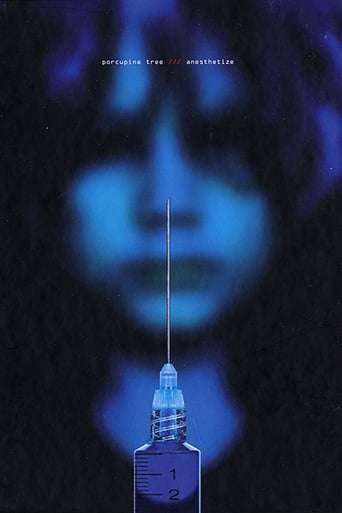
In 2009 Porcupine Tree released their latest album The Incident. The album marked another step forward in the incredible journey of the band from a solo studio project created by Steven Wilson in the late eighties to a Grammy nominated act and one of the world's most revered live bands, currently selling out arenas across the globe and wowing fans with their incredible performances. "Anesthetize" is a DVD which captures the power of the band's live show. Recorded on multi-cameras over two nights at 013 venue in Tilburg, Holland in October 2008, the concerts featured tracks from throughout the band's career. "Anesthetize" collects the highlights from the two shows. It is only the band's second ever DVD release.
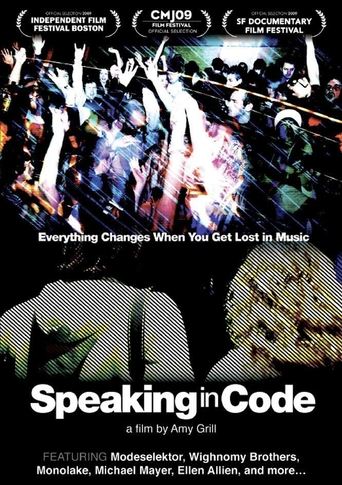
Shot in 11 cities and 5 countries, Speaking in Code provides a glimpse into the world of electronic dance music through the eyes of Modeselektor, the Wighnomy Brothers, Philip Sherburne, Monolake and David Day. Director Amy Grill documents their successes and failures over a three-year period.
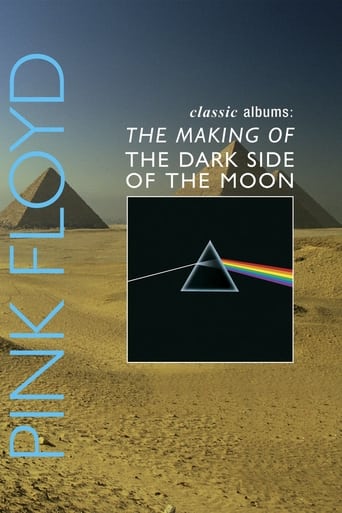
Released to coincide with the 30th anniversary of this classic album, learn how Pink Floyd assembled "Dark Side of the Moon" with the aid of original engineer Alan Parsons. All four band members--Roger Waters, David Gilmour, Nick Mason, and Richard Wright--are interviewed at length, giving valuable insights into the recording process. The themes of the album are discussed at length, and the band take you back to the original multi track tapes to illustrate how they pieced together the songs. With individual performances of certain tracks from Roger, David, and Richard included, this is an essential purchase for any Pink Floyd fans, and a fascinating artefact for rock historians everywhere.
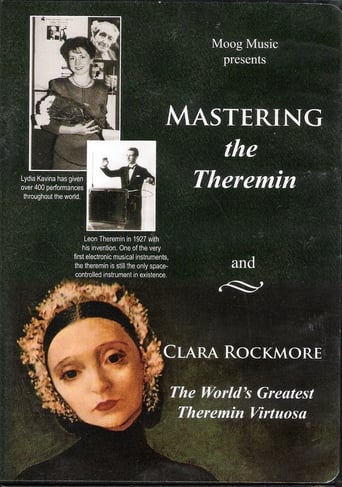
Quite simply the finest theremin player who has ever lived, Clara Rockmore began her performing life as a violin prodigy at the age of 5 years old, still the youngest person ever admitted to the prestigious Imperial Conservatory of Saint Petersburg where she studied under the great Leopold Auer. Due to childhood malnutrition causing bone problems in her teen years, she was forced to give up the violin and moved to New York City in the mid 1920's where she met and became involved with Russian electronics genius Leon Theremin and helped him to refine and perfect his new instrument, giving advice from the standpoint of a musical performer to make the theremin more playable and developing her own hand techniques and exercises for playing the instrument.
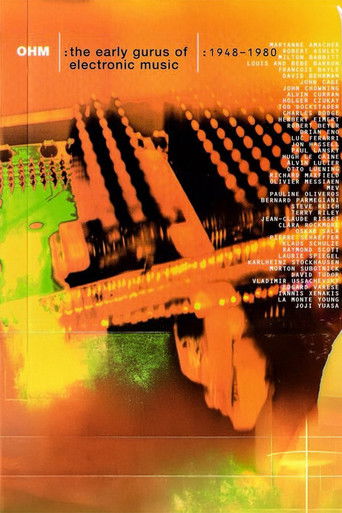
Drawing on rare performances, interviews, animations, and experimental film, this documentary surveys the formative years of electronic music from 1948 to 1980. Featuring pioneering composers and inventors—including Milton Babbitt and Leon Theremin—the film explores the experimental technologies, academic laboratories, and creative struggles that shaped the early evolution of electronic sound.
Filmed live at London's Rainbow Theatre in December 1972, the innovative group Yes performs its progressive rock symphonies -- epic compositions that influenced new trends in contemporary music. "Yessongs" provides a visual record of the concert tour that became a groundbreaking tour de force in rock music. This unique concert video of Yes was filmed during their record-breaking tour and features the talents of the five original band members. The massively popular band defined the prog rock movement with their mystical epics which infused both a Medieval and Classical sound into rock music. Titles performed include "Close to the Edge," "All Good People," and "Roundabout."
The Hypergaussian Wars is an AI-generated feature-length audiovisual work exploring algorithmic warfare, obsolete media and the transformation of images through repetition, saturation and collapse. Built from thousands of generated images, synthetic landscapes and references to 14th–16th century painting, the film stages a continuous conflict between historical visual culture and contemporary computational systems. Fragments of obsolete video games, ruined architectures, military simulations and post-human figures circulate through increasingly unstable environments. Rather than telling a linear story, the film operates as an image system in which visual excess progressively erodes meaning. The Hypergaussian Wars reflects on memory, obsolescence, artificial intelligence and the persistence of images after their original function has disappeared.