

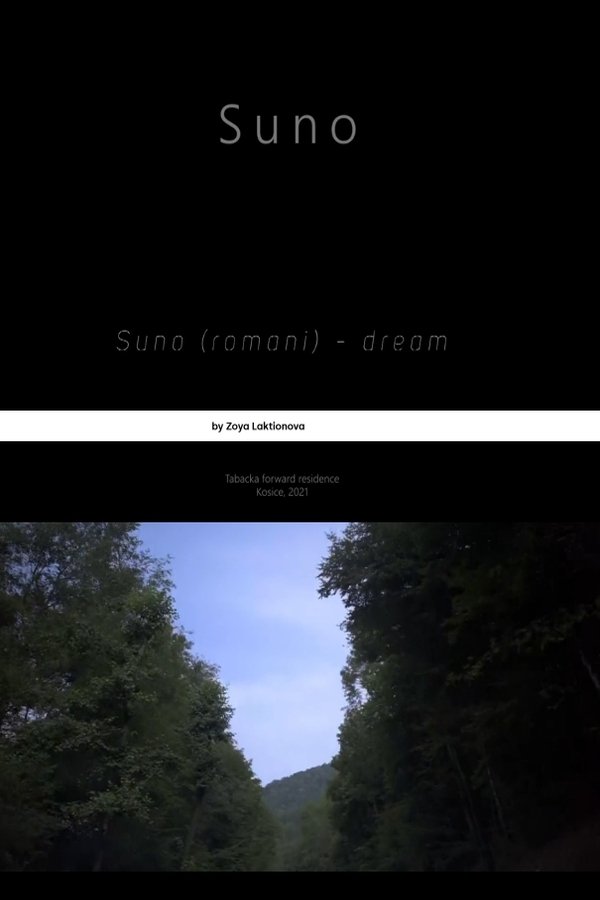
Suno
Documentary
Overview
An experimental short documentary essay about the dreams of Roma women living in the ghetto in Kosice. Roma are one of the largest ethnic groups living in Slovakia. Despite this, integration into all spheres of society is difficult. And it should be noted that this applies not only to Slovakia. Luník IX houses the largest community of Romani people in Slovakia. Although originally built for 2,500 inhabitants, it is estimated that the population is now three times larger. Living standards are low, with services such as gas, water, and electricity cut off, as the majority of inhabitants are not paying rent or utilities fees.






No cast information.
Similar Movies
An exposed Cumbrian village by the sea surrounded by windmills, fields and factories provides a striking setting for this fairy tale of young love and the loss of childhood innocence. Over one year, the film follows the 9 year-old Laura Anne and her 11 year-old cousin, Steven as they move towards the end of their childhoods. The narrative is told in rhyme by the young female protagonist. As time passes and the seasons change, feelings and memories from all our childhoods are evoked and we wonder what time will make of Laura Anne and Steven.

A slice-of-life look at how kids in the former mining town of Silverton, Colorado stay busy in the summer by “mining” and selling rocks to tourists. Through this time-honored rite of passage, these “rock stars” learn history, social skills, and become little entrepreneurs while delighting tourists from around the world.

Safety 4 Kids is proud to present The ABC's of Safety featuring SeeMore the Safety Seal and Friends. High energy songs, fast paced video, expert safety advice, fun and lovable characters and just a touch of comic relief makes this video a fun and exciting way for children to learn important safety lessons.
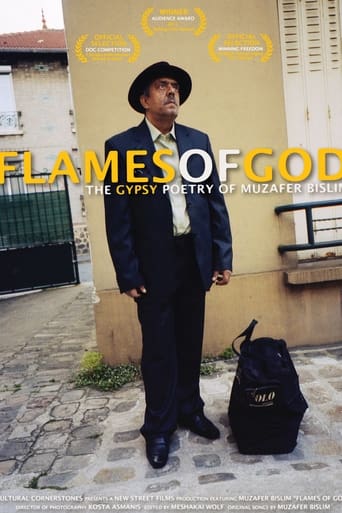
Muzafer Bislim comes up with some of his most insightful songs while sitting on the floor, recording lyrics into a cassette recorder bought at a flea market. A poet and songwriter who collaborates with the biggest names in Romani music, the 54-year old lives a life of modest means with his family in Shutka, Macedonia. Stored in the corner of his one-room house is a tottering, ceiling-high stack of handwritten, 25,000-word, multi-dialect dictionary of the oldest and most obscure words in the Romani language, which he has painstakingly collected over 35 years. When he's invited to the International Biennial of Poets held in Paris, he sees the trip as an opportunity to have his dictionary published. A testament to the endurance of a people who have been scattered across Europe, the dictionary is not only a work of art but also a rare link to a divided past.

Roma are an important part of Ukraine's population. There are quite a large number of them living in the country—between fifty and one hundred thousand. This documentary shows the peculiarities of the Gypsy people's life in modern society. You will see the stories of five Gypsy barons who will talk about the traditions of their people and reveal some secrets that were previously known only to the Roma.

Before leaving for Rome with his mother, five year old Natan is taken by his father, Jorge, on an epic journey to the pristine Chinchorro reef off the coast of Mexico. As they fish, swim, and sail the turquoise waters of the open sea, Natan discovers the beauty of his Mayan heritage and learns to live in harmony with life above and below the surface, as the bond between father and son grows stronger before their inevitable farewell.
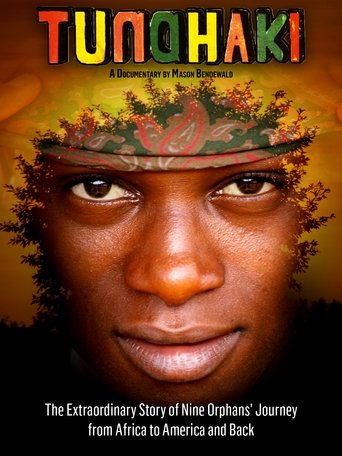
Tunahaki is the extraordinary story of nine gifted orphans who are acrobats. We follow their journey as an American volunteer takes them from Africa to study with Cirque du Soleil in Las Vegas. They end up touring the States and raising hundreds of thousands of dollars, more than enough to build a permanent home. But how have the kids' experiences in America affected them? And how will it change things back home in Tanzania? Tunahaki's heartfelt journey gives us something new to ponder as we reach across the world to help those less fortunate—is it always the right thing to do?