

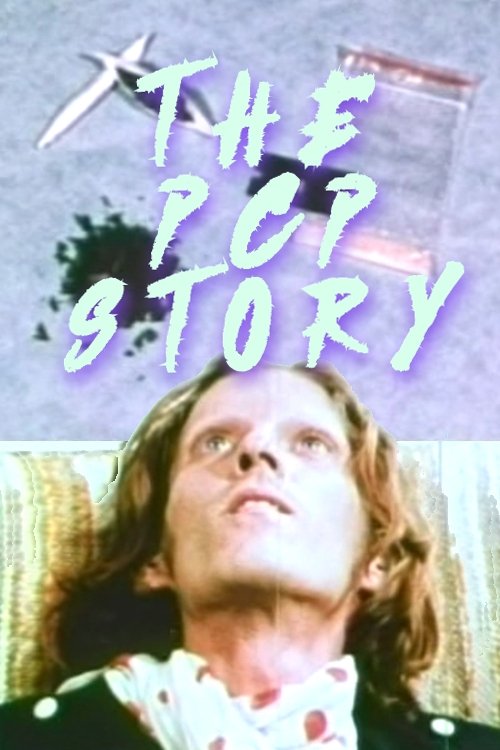
The PCP Story
Documentary
Overview
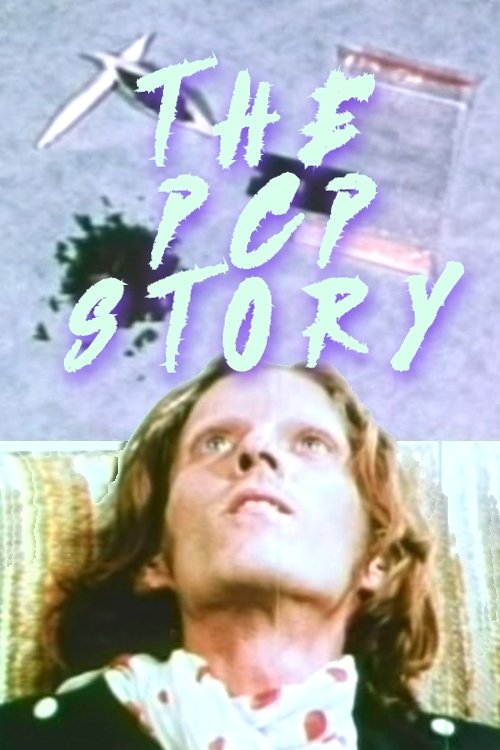
The PCP Story is a general overview of an emerging drug problem -the abuse of phencyclidine. The film is journalistic in approach as users and various authorities define the growth, effects, and dangers of the drug. Renowned researchers, R. Stanley Burns, M. D. and Steven E. Lerner, M.S., collaborated closely in the production to assure the accuracy of the film's content. Some of the characteristic signs of the low dose state of intoxication - the blank stare, ataxia, stuttering, incomplete verbal responses, and mystagmus upon testing - are graphically demonstrated by users.
Top Cast




R. Stanley Burns
R. Stanley Burns
Clinical Researcher
R. Stanley Burns
Clinical Researcher
Steven E. Lerner
Steven E. Lerner
Clinical Researcher
Steven E. Lerner
Clinical Researcher
Dwight Casimere
Dwight Casimere
Narrator
Dwight Casimere
Narrator
Similar Movies
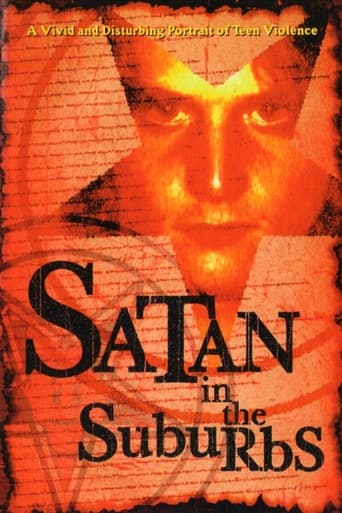
Satan in the Suburbs tells the shocking story of a grisly ritualistic murder in the quiet bedroom community of Northport, Long Island in the summer of 1984. The killing, it soon emerged, was linked to a teen satanic cult. Perhaps more disturbing than the details of the murder itself was the revelation of a conspiracy of silence among the town's teenagers, many of whom had been aware of the, e killing in the two weeks before an anonymous call finally tipped off local police. 17- year-old Ricky Kasso was arrested and confessed to the crime; five days later, he hung himself in his holding cell. Kasso's friend Jimmy Troiano also. confessed, but was acquitted after jurors learned that he was beaten by local police. The murder shocked the local community and reverberated nationally, with some uninformed observers rushing to scapegoat rock music as the cause.
Sculptor/painter Katie Dallam entered the boxing ring for her first professional fight and, 140 blows to the head later, suffered major brain damage. (Her life became the basis for the movie Million Dollar Baby). Irish musician Graham Sharpe’s career was on the rise when advancing tinnitus caused a ringing in his ears so bad that it put an end to his rock-and-roll dreams. Sculptor Alice Wingwall experienced complete loss of sight from a degenerative eye disease. Game over for these three, right? Not so fast. Each managed to struggle, innovate, and, ultimately, through their art, transform themselves into someone new.
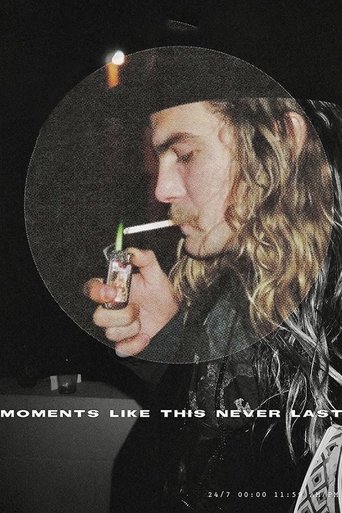
Dash Snow rejected a life of privilege to make his own way as an artist on the streets of downtown New York City in the late 1990s. Developing from a notorious graffiti tagger into an international art star, he documented his drug- and alcohol-fueled nights with the surrogate family he formed with friends and fellow artists Ryan McGinley and Dan Colen before his death by heroin overdose in 2009. Drawing from Snow’s unforgettable body of work and involving archival footage, Cheryl Dunn’s exceptional portrait captures his all-too-brief life of reckless excess and creativity.
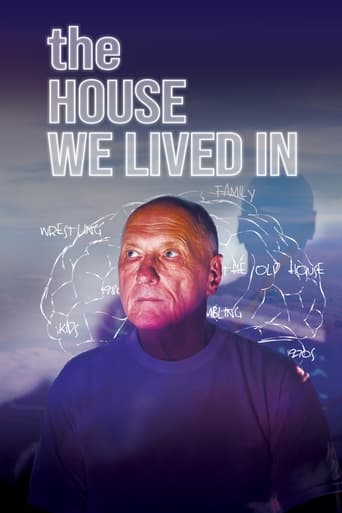
Nearly a decade in the making, The House We Lived In is a strikingly candid portrait of a family transformed by a father’s brain injury. In 2011, 61-year-old Tod O’Donnell awoke from a coma with a case of total amnesia that doctors assured his wife and children was temporary. But when it proved permanent, and for no discernible reason, the O’Donnell’s were left to themselves to untangle the mystery — a struggle for answers that would only raise more questions as they came to realize, painfully, that the real mystery was Tod himself.