

Rose Hobart
Mystery
Overview
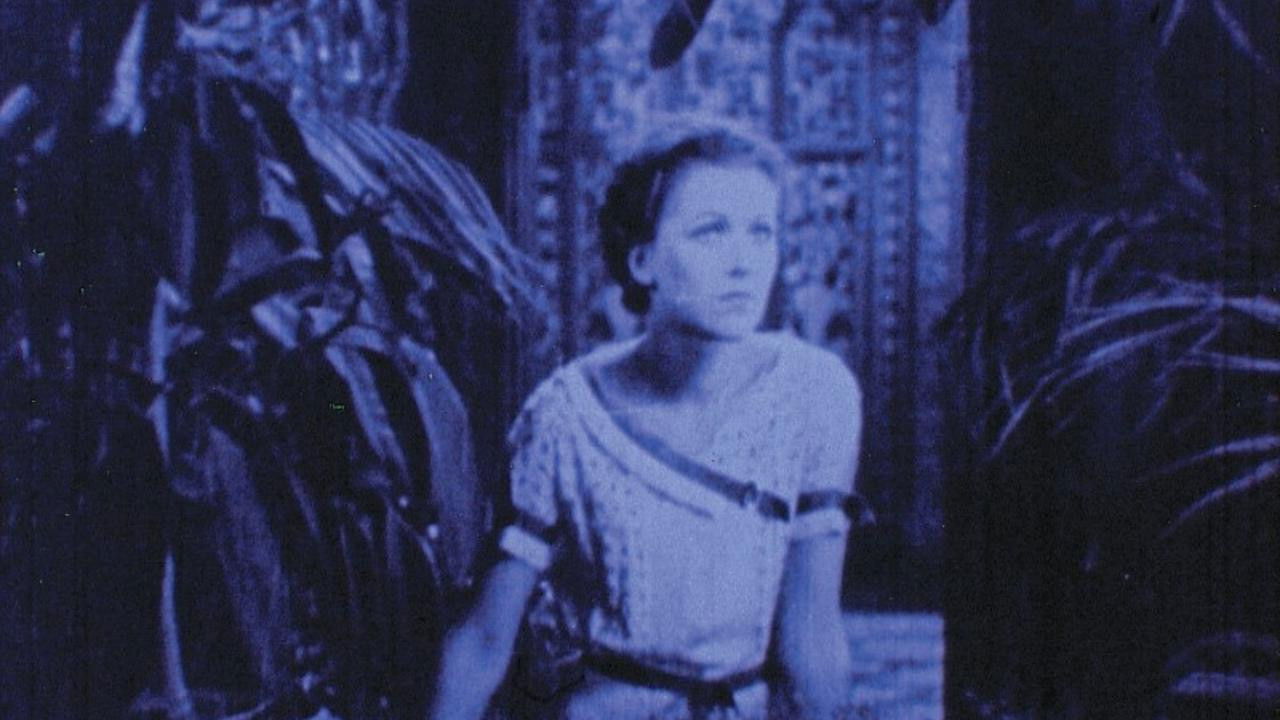
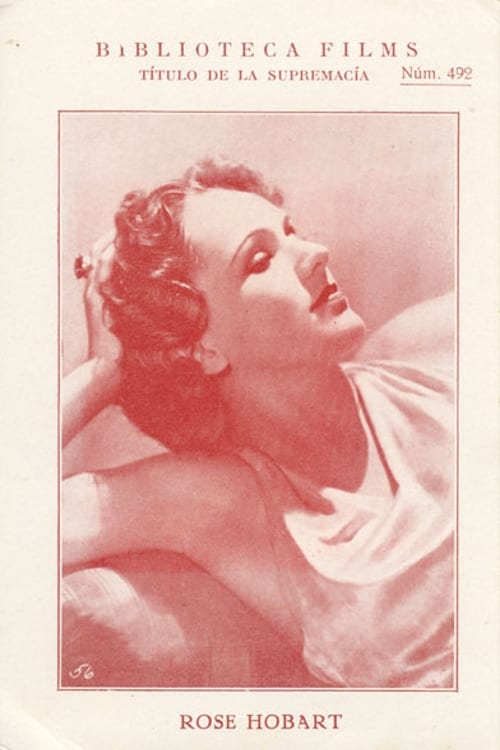
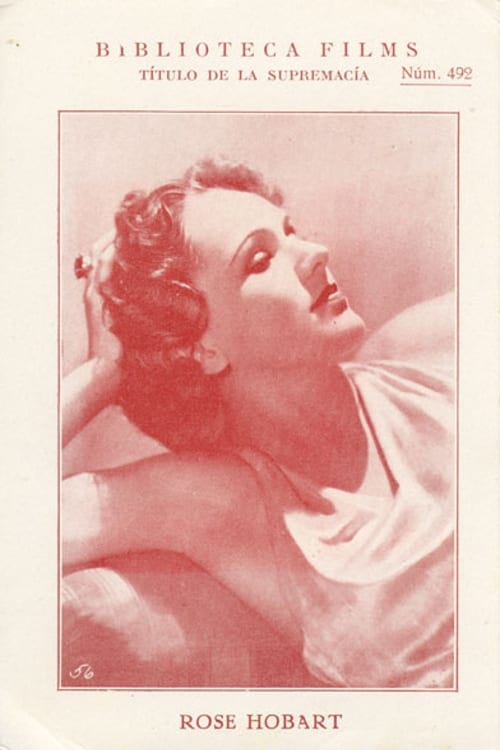
Cornell employs clips from 1931's jungle melodrama East of Borneo – more specifically, clips of its lead actress, Rose Hobart – to disquieting effect. Through Cornell's collage editing, Hobart becomes a singular object of desire and dread, trapped in an exotic paradise.




Rose Hobart
Rose Hobart
Woman (archive footage) (uncredited)
Rose Hobart
Woman (archive footage) (uncredited)
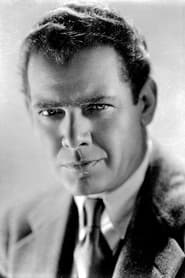
Charles Bickford
Charles Bickford
Man (archive footage) (uncredited)
Charles Bickford
Man (archive footage) (uncredited)
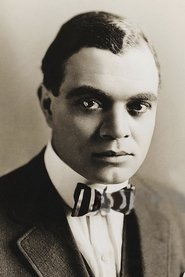
Noble Johnson
Noble Johnson
Man (archive footage) (uncredited)
Noble Johnson
Man (archive footage) (uncredited)

Georges Renavent
Georges Renavent
Man (archive footage) (uncredited)
Georges Renavent
Man (archive footage) (uncredited)

Lupita Tovar
Lupita Tovar
Woman (archive footage) (uncredited)
Lupita Tovar
Woman (archive footage) (uncredited)
Similar Movies
In 1958 Angelo, a rich and spoiled boy, enters a religious school, where students are tired of its vice-rector, and the strict rules and old-fashioned teaching methods of priests. Soon, Angelo exerts strong leadership among his peers and incites turmoil among them, helped by intellectual Franco and shy Camma. They expel the prefect from the school, organize a Grand Guignol show, and disappear the corpse of an old professor.

Myron Breckinridge flies to Europe to get a sex-change operation and is transformed into the beautiful Myra. She travels to Hollywood, meets up with her rich Uncle Buck and, claiming to be Myron's widow, demands money. Instead, Buck gives Myra a job in his acting school. There, Myra meets aspiring actor Rusty and his girlfriend, Mary Ann. With Myra as catalyst, the trio begin to outrageously expand their sexual horizons.
For the multimedia exhibition Tangenten I (Tangents I), Dammbeck and co-organizer, sculptor and painter Frieder Heinze had planned to collaborate on a film that would combine non-camera animation with 35mm footage of a train ride between the two Dresden districts of Radebeul and Pieschen. When the exhibition was banned in 1978, Heinze turned to other projects, but Dammbeck continued working on the film by himself. Metamorphoses I—the first experimental film ever to be shown publicly in East Germany—marks the filmic beginning of Dammbeck’s long-term art project the Herakles-Konzept (Hercules Concept).
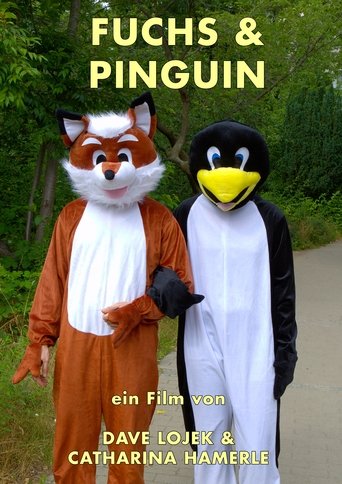
How do German couples communicate in private? What are they arguing about? Is the way to a man’s heart really through his stomach? This docu-fictional hybrid production discusses such questions with the help of authentic interview snippets that were edited under the staged plot. We get an insight into the life of an animal couple, who experience typical everyday situations on behalf of us humans. At first, our fox is emotionally contained, while the penguin lady may get wild as hell. With a wink, the filmmakers hold up a mirror to the audience in the cinema.
George Abitbol, the classiest man in the world, dies tragically during a cruise. The director of an American newspaper, wondering about the meaning of these intriguing final words, asks his three best investigators, Dave, Peter and Steven, to solve the mystery. (Sixteen French actors dub scenes from various Warner Bros. films to create a parody of Citizen Kane, 1941.)
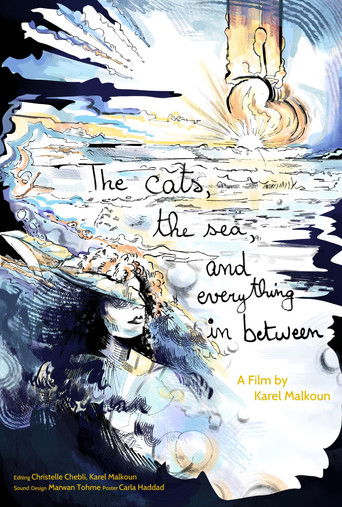
In 2022, when the economic crisis in her native country was at its peak, she decided to visit her family there. She turned her short trip into a collage-like diary in which she reflects on her relationship with her homeland, which is in a state of protracted decay. The film is composed of spontaneous snapshots capturing the author's stay, interspersed with inserted captions serving as personal, often poetically formulated comments and observations. As a result, the film does not hide its strongly subjective perspective, but at the same time builds on it to make an important statement that shows the transformation of Lebanese society in everyday details such as the appearance of the city itself or in the intimate sphere of the author's family life.