

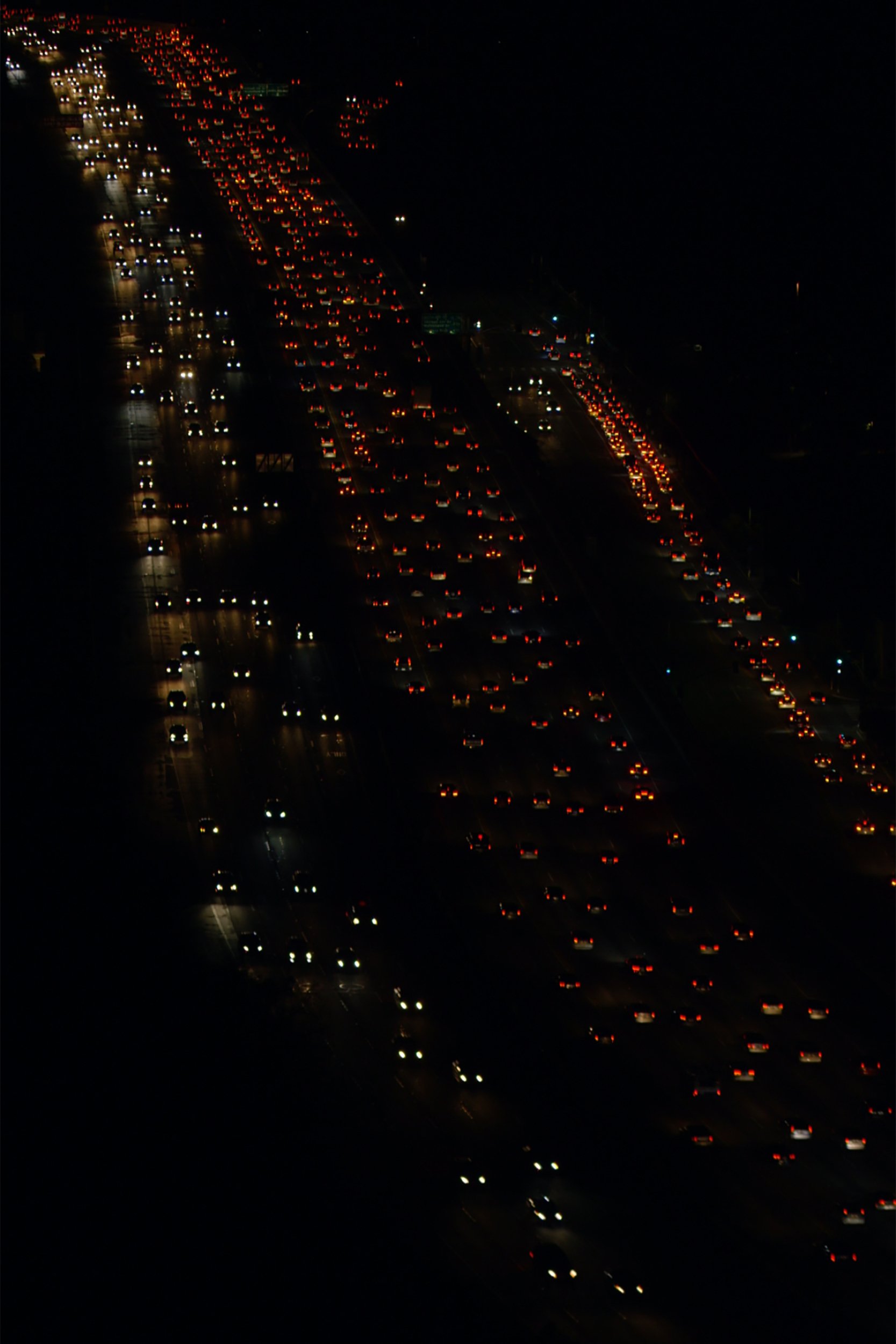
Vertical Wide
Overview
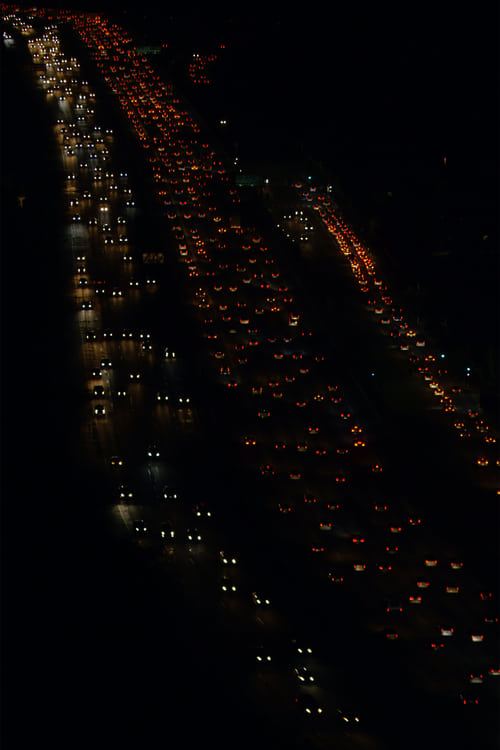
With a static camera Tan films the dense night-time traffic in West Los Angeles from her temporary studio location at the Getty Center. Undercutting the cinematic quality inherent in this view of teeming traffic, the upright frame instead suggests a domestic window or an abstract painting. The space is flattened, and the viewer is unsettled. Shorn of a narrative, Vertical Wide is part of a trio of video works that are a series of dream-like moving pictures.



No cast information.
Similar Movies
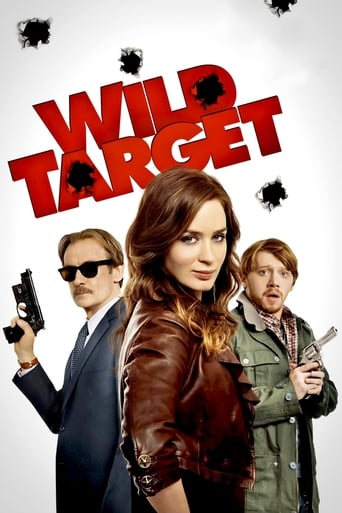
Victor Maynard is a middle-aged, solitary assassin who lives to please his formidable mother, despite his own peerless reputation for lethal efficiency. His professional routine is interrupted when he finds himself drawn to one of his intended victims. After sparing her life, he unexpectedly acquires a young apprentice. Believing Victor to be a private detective, his two new companions tag along, while he attempts to thwart the murderous attentions of his unhappy client.
Stuck in a creative rut, filmmaker Gilda Pourjabar returns to Iran, her homeland, to talk with her brother Siamak, an illustrator based in Tehran. This encounter raises questions about their relationship to Western popular art, as they grew up in a culture that the current political regime describes as “westoxicated.” This documentary uses playful animations by Siamak, inspired by Franco-Belgian comics and rock concert posters, superimposed on archival footage of the most recent popular uprisings in Iran to become a logical collaboration for these artists who shared a record collection as children. Together, they examine how art slips through the cracks of repression to light the rebellious sparks in the hearts of young people.

The decision to move to Holland doesn't sound like a wise idea. Why move to a country that could be flooded at any moment? For the last 25 years, the political climate has shifted. The public debate on migration has become harsher, more heated, and polarized. What would have been considered right-wing xenophobia back then, is now considered mainstream. Populists simplify complex realities into good and evil, victims and perpetrators: ‘us’ versus ‘them’. Their rhetoric often consists of dehumanizing words and metaphors. One of these is ‘water’. In reality, water is not an immediate threat to the average Dutch person; but it is a huge threat to the thousands trying to reach the Netherlands. People trying to survive the Mediterranean Sea in rubber boats. Trying to survive winter on the Aegean coast in primitive tents. To them, water really is deadly.
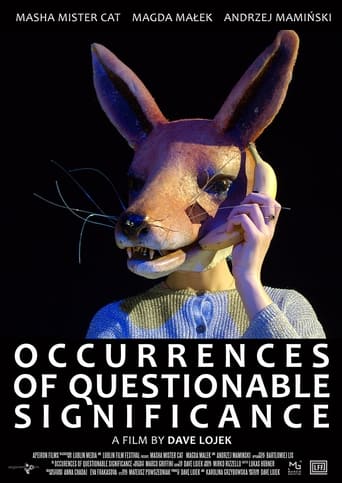
When forest animals invade our cities, the world is in disarray. Office vixen Fiona struggles with her banana phone addiction. Will she succumb to it? Temperamental bunny Barbara only gives her stag sugar daddy Nestor his special massage, after he dines her and plays the big spender. This obscure short film pinpoints postmodern tropes of consumerism, eroticism, and art with an homage to the theater stage and references to literature. This work uses a fantasy language and needs no subtitles.

Kohata Anime Studio is a place full of dreams where animation is made. Baja was raised in this studio by the people who create animation. Floating in a pond outside are his friends the ducks. One night, when all the people are no longer at the studio, Baja takes a peek outside and finds that his duck friends are being attacked by a cat. Will Baja be able to save his friends? A wondrous night adventure begins.

Born in 1873 in a poor neighbourhood in Naples, Enrico Caruso conquered the world with his singing voice. At the age of 27 he got a contract at the Scala in Milan, and his already considerable popularity skyrocketed thanks to the invention of the gramophone. He sold millions of records, and garnered international acclaim. In 1903 he moved to New York to perform at the prestigious Metropolitan Opera, in the role of Radames. But his riches and fame attracted the attention of the Mafia, who started blackmailing him. He felt trapped by his fame and died at just 48 years old. Biographer Francesco Canessa, the music critic Jürgen Kesting and the composer Micha Hamel explain the ups and downs of the man behind the timeless Italian voice.
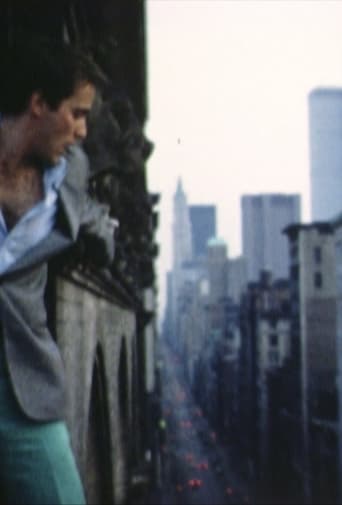
Arriving in the US with a background in abstract art, opera, and film—including work with German director Werner Schroeter—Vogl began making Super8 films in New York that stripped away the stylistic markers of Hollywood, New Wave cinema of the 1960s and ’70s, and classic avant-garde film, leaving only traces of their generic conventions. For the first hour of OK Today Tomorrow, he stages a series of fraught encounters around the city between four gentrified New Yorkers before abandoning his vague narrative of youthful angst altogether in favor of documenting the urban landscape itself. The dusk-to-dawn “city symphony” that ends the film resembles similar Super8 social studies by Vogl’s uptown contemporary John Ahearn; both recorded the daily lives of working-class black and immigrant communities on the streets of a city on the verge of the corporate takeover and sweeping gentrification that followed in the 1980s and ’90s. Preserved by The Museum of Modern Art, New York.