

The Factory: How a Product is Made
Documentary
Overview
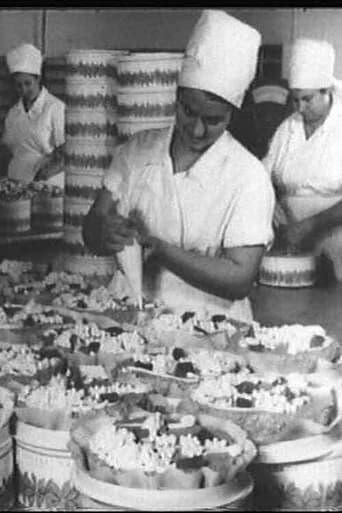
This documentary, produced by Paul Burnford, features how products are made in factories. It uses an example of a jack-in-the-box produced by Mattel.

No cast information.
Similar Movies
An industrial film sponsored by the Cleveland Electric Illuminating Company promoting the "Cleveland Corridor," an 85-mile corner of northeast Ohio between the port cities of Conneaut and Cleveland, as "the best location in the nation" for industrial business. This 16mm film is from the Cinecraft Productions collection at the Hagley Museum and Library.
In the 1920s, Western Electric Company ordered a series of studies to be conducted at their plant in Cicero, Illinois. At first they wanted to see how lighting affected productivity on the factory floor. Researchers also interviewed employees to hear their ideas and opinions about company policies, management, and other subjects. These were the Hawthorne studies, landmark research in industrial and organizational psychology. In the early 1970s, some of the participants of this study—researchers and workers alike--reunited and reminisced about their involvement.
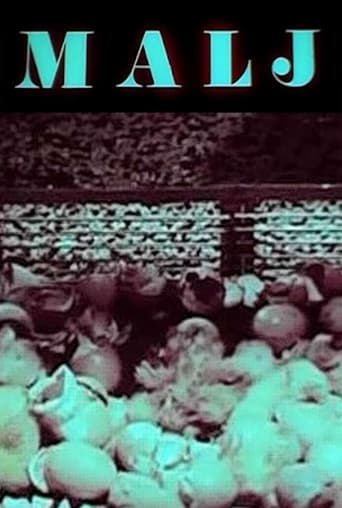
In a futuristic, antiseptic food factory, workers select healthy chicks, while the rejects are carried along a conveyor belt until they are crushed by a mallet and drop into a garbage bin. A single black chick appears among the yellow and is shoved toward the garbage bin. Before the mallet strikes, the gasping chick rebels.
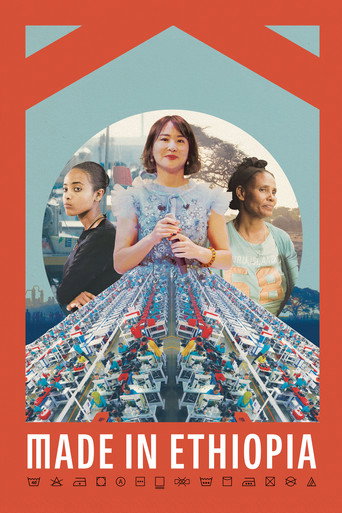
When a massive Chinese factory complex attempts a high-stakes expansion in rural Ethiopia, three women in search of prosperity have their faith in industrialization tested to the limit. Filmed over four years with singular access, Made in Ethiopia lifts the curtain on China’s historic but misunderstood impact on Africa, and explores contemporary Ethiopia at a moment of profound crisis. The film was awarded the Jury Special Mention at Tribeca Festival.
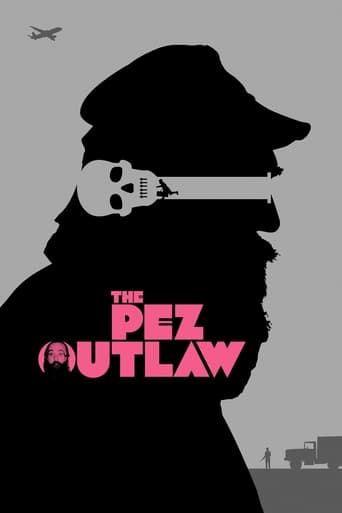
Steve Glew, a small-town Michigan farmer, boards a plane for Eastern Europe soon after the fall of the Berlin Wall. His mission is to locate a secret factory that holds the key to the most desired and valuable pez dispensers. If he succeeds, he will pull his family out of poverty and finally find a purpose in his mundane life.
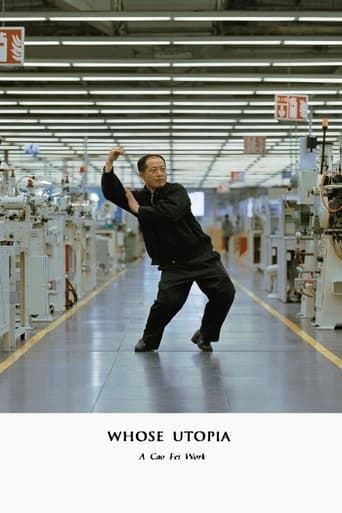
A three-part film by Cao Fei. Part one, 'Imagination of Product', shows workers and machines at the OSRAM lightbulb factory in China's Pearl River Delta. In the second part, 'Factory Fairytale', dancers and musicians appear in the factory, as work continues around them. Finally, 'My Future is Not a Dream' consists of portraits of the factory workers facing Fei's camera.
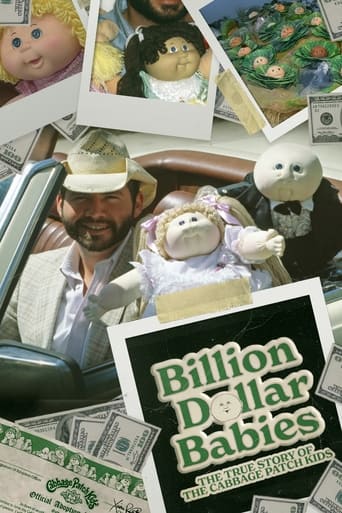
Doll hospitals, cabbage ‘births,’ a four-year legal battle over the origin of the idea and a billion-dollar toy brand that put the wheels of modern-day Black Friday shopping riots into motion. This is the unbelievable true story you never knew about the toy craze that started it all, the Cabbage Patch Kids.
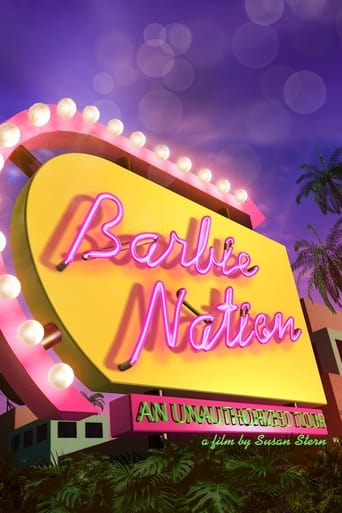
Blows the roof of Barbie’s “Dreamhouse,” revealing generations of people obsessed with the world’s most popular toy. At Barbie conventions and anti-Barbie demonstrations, from San Francisco’s gay pride parade to Croatia’s bunkers, Barbie fans, foes, fetishists – and Barbie’s creator Ruth Handler – reveal the history and fantasy behind the icon.