

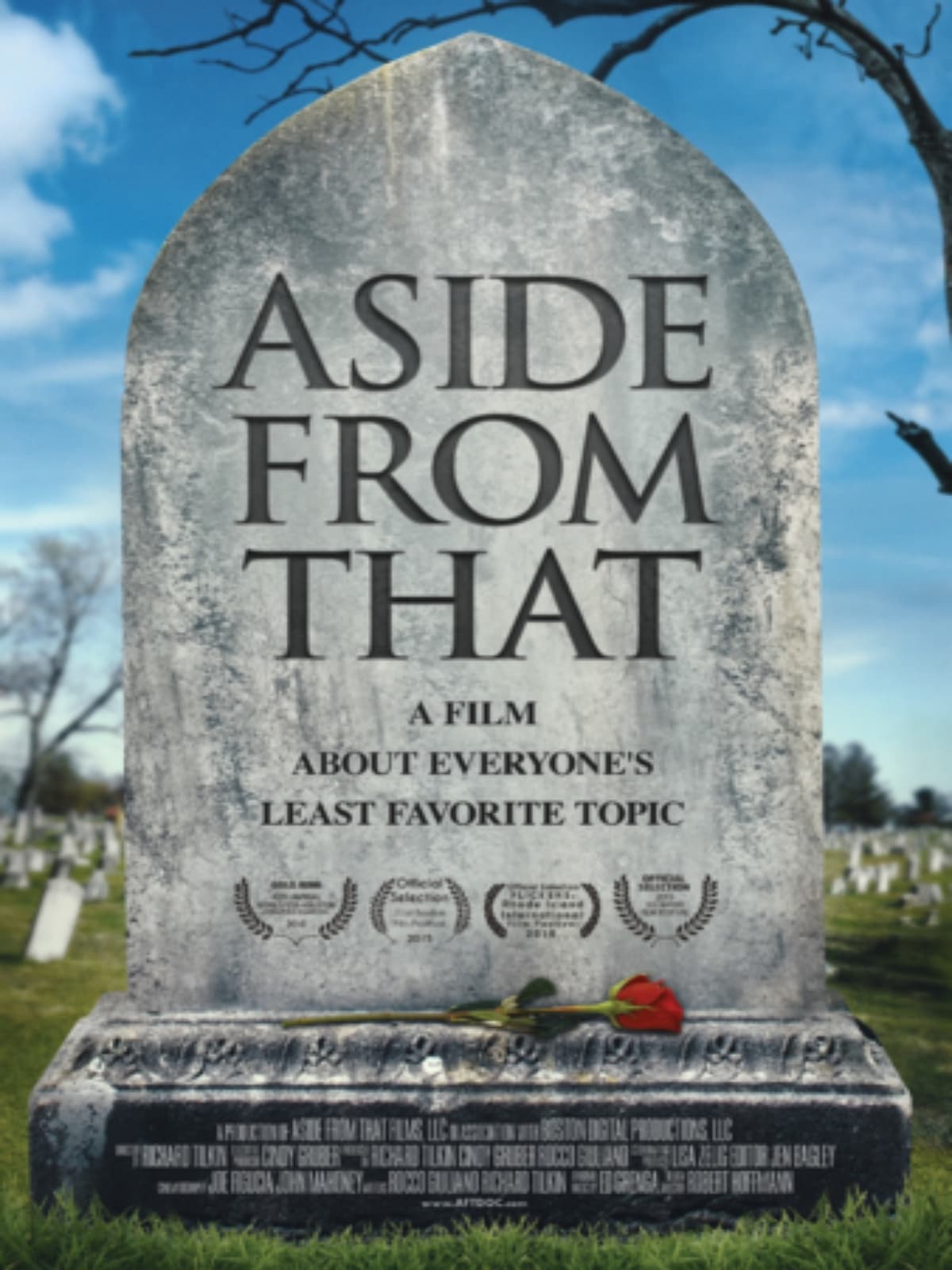
Aside From That
Documentary
Overview
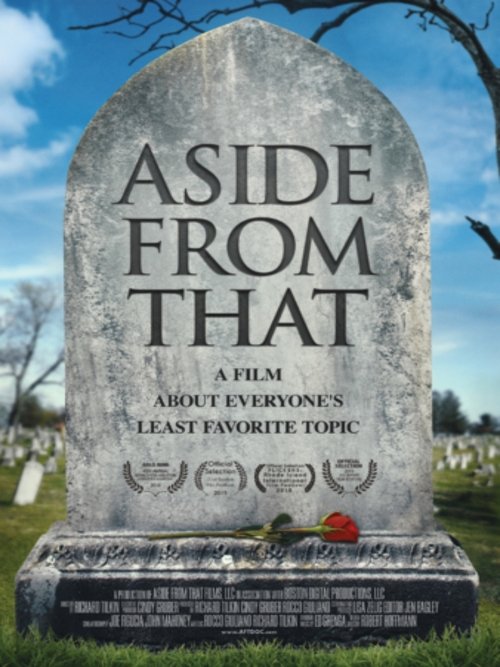
How do we live, knowing we are going to die? In search of answers, we probed the minds of atheists, Buddhists, Jews, Christians, physicians, philosophers, authors, academics, a legendary stand-up comic, and scores of random pedestrians.
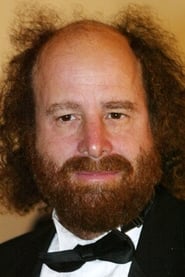
Steven Wright
Steven Wright
Comedian
Steven Wright
Comedian
Joan Halifax
Joan Halifax
Self
Joan Halifax
Self
Similar Movies
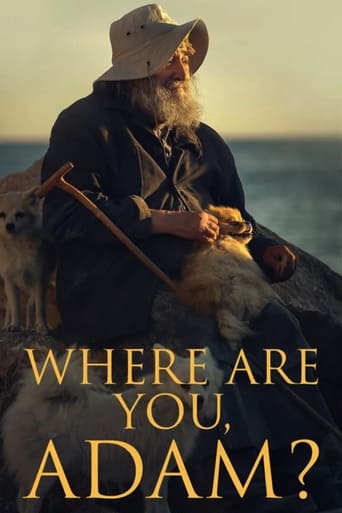
The plot of the film unfolds in the ancient monastery of Dokhiar on the west coast of Mount Athos, on the Aegean peninsula. This peninsula is given to the exclusive use of the monks of Eastern Christianity. Images of nature are woven into a virtually uninterrupted series of work and prayer, lining up in the rhythmic interrelation of man and nature. The central figure of the film was the monastery’s elder, Hegumen Gregory, whose long-term experience of spiritual nourishment rewarded him with a deep understanding of the human soul and her desire to return to the state characteristic of Adam’s human nature before the fall.
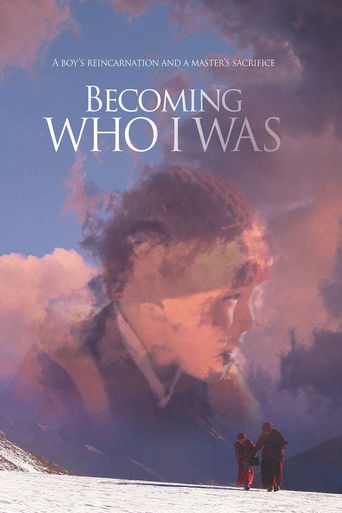
Angdu is no ordinary boy. Indeed, in a past life he was a venerated Buddhist master. His village already treats him like a saint as a result. The village doctor, who has taken the boy under his wing, prepares him to be able to pass on his wisdom. Alas, Tibet, Angdu’s former homeland and the centre of his faith, lies far away from his current home in the highlands of Northern India. On top of that, the conflict between China and Tibet makes the prospect of a trip there even more daunting. Undeterred by these harsh facts, the duo set off for their destination on foot, accompanied by questions of friendship and the nature of life. With its narrative approach steeped in a serene sense of concentration, this documentary film, composed over a period of eight years, stands as a fundamental experience in its own right.
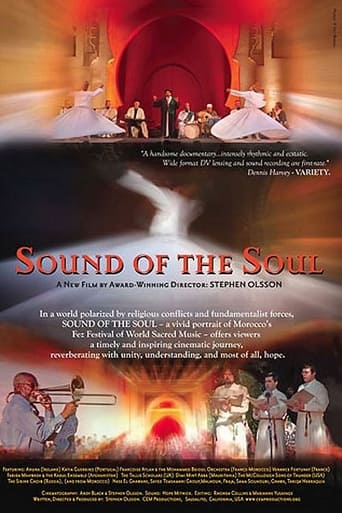
SOUND OF THE SOUL is a compelling portrait of an Arab country where Muslims, Christians, and Jews have lived together in relative peace for centuries. Beautifully photographed during the Fez Festival of World Sacred Music, the film presents unforgettable performances from groups from Morocco, Ireland, Russia, Afghanistan, Mauritania, the USA, Portugal and France, which carry viewers into what the film's Moroccan sufi guide calls "the hearing of the heart": the essential Oneness at the core of all religions and faiths.
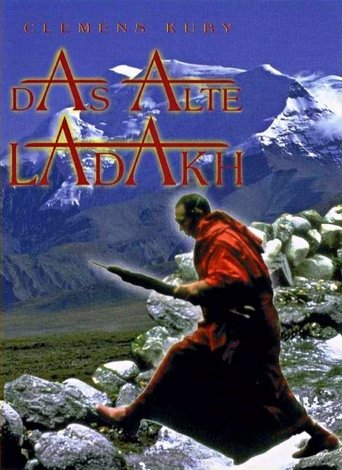
The Laddakhis, high up in the Western Himalayas, have a strong connection to the psychic energies of the gods and demons through their belief in Tantric Buddhism. People in the valley say of the Geshe (a methaphysical professor) that he can fly if he wants to. But using magic is immoral for the Buddhist. Nevertheless, a young man seduces the woman of his desire with magical powers. In a breathtaking landscape under a crystal-clear blue sky, a life unfolds in harmony with the universe, carried by an ancient consciousness.
This compelling film represents a rare record of an original genius. In Jung on Film, the pioneering psychologist tells us about his collaboration with Sigmund Freud, about the insights he gained from listening to his patients' dreams, and about the fascinating turns his own life has taken. Dr. Richard I. Evans, a Presidential Medal of Freedom nominee, interviews Jung, giving us a unique understanding of Jung's many complex theories, while depicting Jung as a sensitive and highly personable human being.
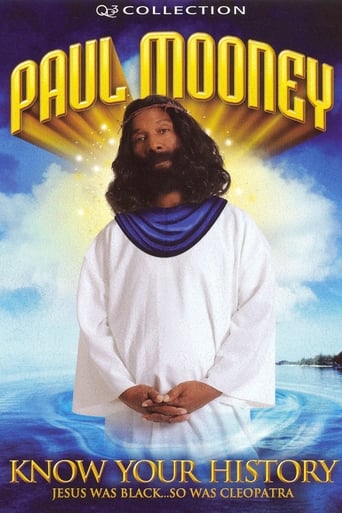
Few comedians can stir up controversy like the legendary Paul Mooney -- writer for Richard Pryor, creator of In Living Color's Homey the Clown and featured guest on Chappelle's Show. With his characteristic brutal honesty, Mooney passionately and hysterically charges into the electrified currents of racial tension. In this magnificent standup performance at Hollywood's Laugh Factory, Mooney earns a standing ovation with his relentless no-holds-barred observations on black history, stereotypes and prejudices, living in White America, celebrity divas and much, much more!
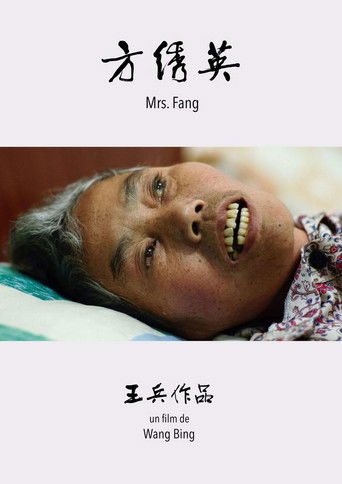
In a quiet village in southern China, Fang Xiuying is sixty-seven years old. Having suffered from Alzheimer's for several years, with advanced symptoms and ineffective treatment, she was sent back home. Now, bedridden, she is surrounded by her relatives and neighbors, as they witness and accompany her through her last days.

Marina Carrère d'Encausse lifts the veil on the intimate questions that preoccupy her as well as society at large: those related to the end of life. The doctor-journalist introduces Antoine, her partner, who is suffering from Charcot's disease, an incurable illness, and who wishes to choose how he ends his life. Is the current law in France sufficient? Should it simply be better enforced, allowing better access to palliative care? Should assisted suicide and euthanasia be legalized? Marina meets with patients concerned about the end of life, caregivers, and politicians in France, as well as in Belgium, Switzerland, and Canada, countries where euthanasia and assisted suicide are legal.