

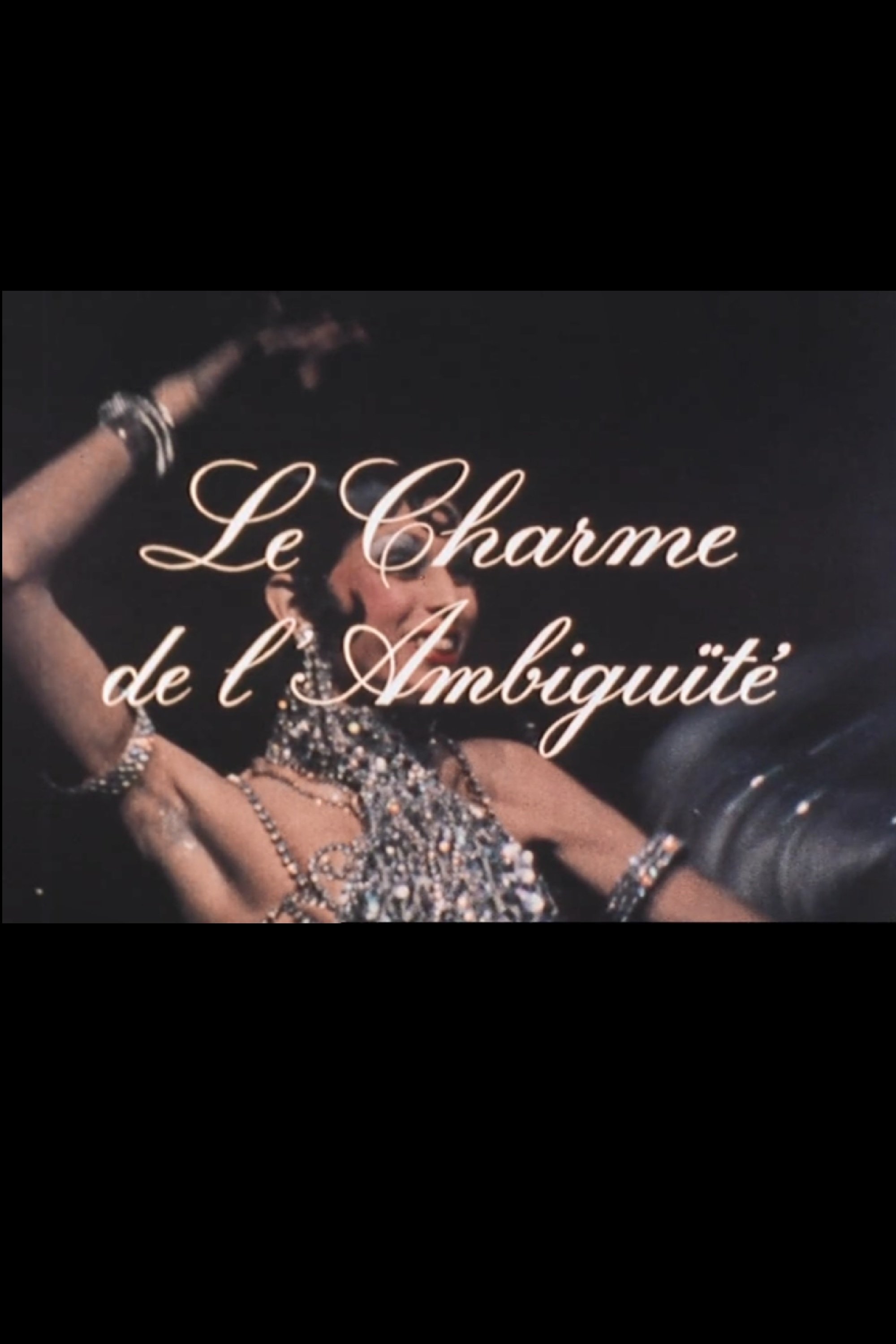
Le charme de l'ambiguïté
Documentary
Overview
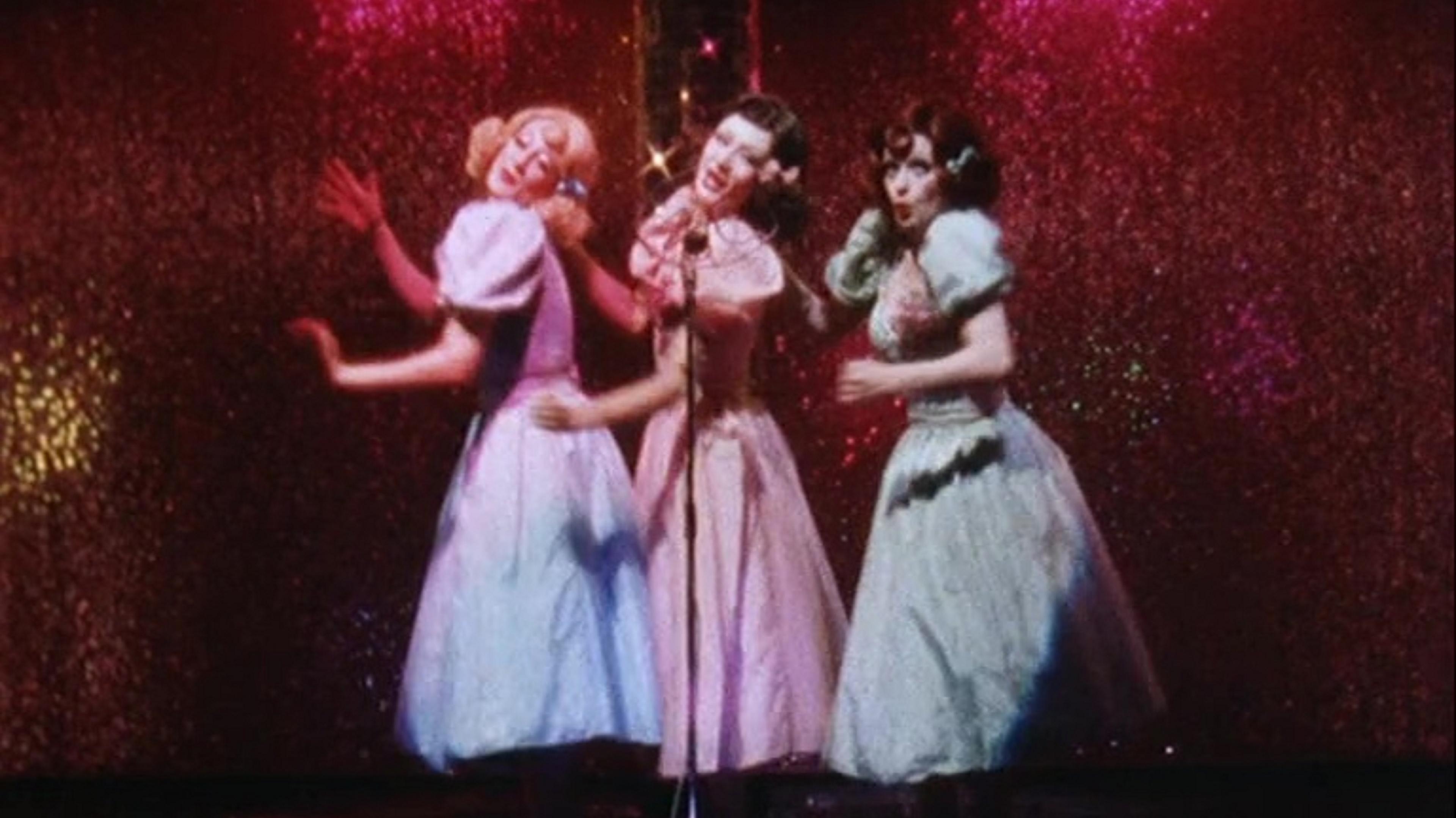
From transvestites to transformers, we will follow the trail that will lead us in different and famous Parisian music-halls, such as the mythical Alcazar of Paris, La Grande Eugène. Whether they are below or beyond their character, often these men who are looking for themselves look at life with the humor of despair. Why this need to "transform" themselves? Why is it always the men who cross-dress and not the women? Why did the public flock to these shows in the 1970s and 1980s? Interpretations of famous characters such as Diana Ross, Josephine Baker, Billie Holiday, the Peter Sisters, the Andrew Sisters, Zizi Jeanmaire, Judy Garland, Sarah Bernhardt, among others, contribute to making this musical document an essential testimony of this era.



Jean-Marie Rivière
Jean-Marie Rivière
Lui-même (Théâtre de l'Alcazar)
Jean-Marie Rivière
Lui-même (Théâtre de l'Alcazar)
Marcel Drouet
Marcel Drouet
Lui-même (Cabaret des Sans-Gênes)
Marcel Drouet
Lui-même (Cabaret des Sans-Gênes)
Léon Grieg
Léon Grieg
Lui-même (Cabaret des Zeeboys)
Léon Grieg
Lui-même (Cabaret des Zeeboys)
La Grande Eugène
La Grande Eugène
La Grande Eugène
La Grande Zoa
La Grande Zoa
La Grande Zoa
Pierre Spivakoff
Pierre Spivakoff
Pierre Spivakoff
Similar Movies
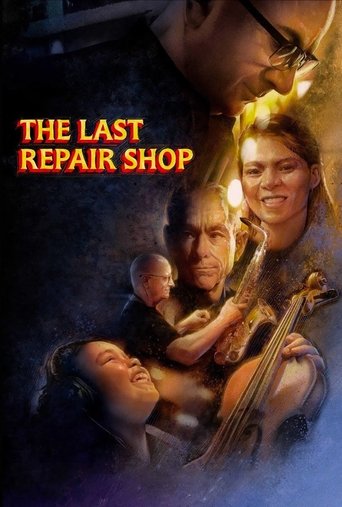
In a warehouse in the heart of Los Angeles, a dwindling handful of devoted craftspeople maintain more than 80,000 student musical instruments, the largest remaining workshop in America of its kind. Meet four unforgettable characters whose broken-and-repaired lives have been dedicated to bringing so much more than music to the schoolchildren of this city.
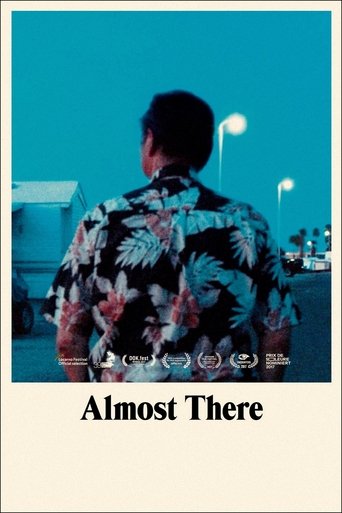
Three men embark on a journey in search of meaning and happiness in the autumn of their lives: Bob swaps his safe home for a camper van and tries to find himself in the barren Californian desert; Steve, drag queen and stand-up comedian, is fed up of England and makes amends with his past in Benidorm; Yamada rediscovers his smile by reading stories to children in Tokyo.
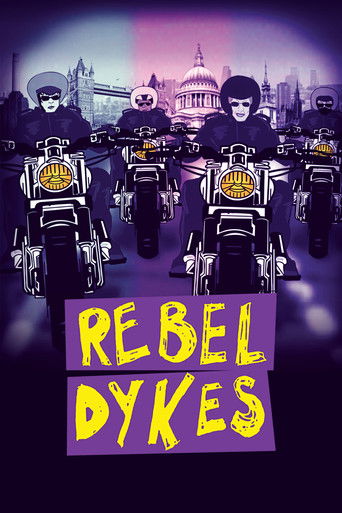
A heady, energised mash-up of animation, unseen archive footage and interviews, Rebel Dykes provides an intimate insight into the politically charged, artistically radical anarchist subculture in 1980s London, and the individuals who helped shape and change their world. Bringing together BDSM nightclubs, inclusive, sex-positive feminism, DIY zine culture, post-punk musicians and artists, squatters, activists and sex workers, these rebel dykes went out onto the streets to make their voices heard. [Feature length version of 2016 short of the same name.]
The video revolution of the 1970s offered unprecedented access to the moving image for artists and performers. This Is Not a Dream explores the legacies of this revolution and its continued impact on contemporary art and performance. Charting a path across four decades of avant-garde experiment and radical escapism, This Is Not a Dream traces the influences of Andy Warhol, John Waters and Jack Smith to the perverted frontiers of YouTube and Chatroulette, taking in subverted talk shows and soap operas, streetwalker fashions and glittery magic penises along the way.
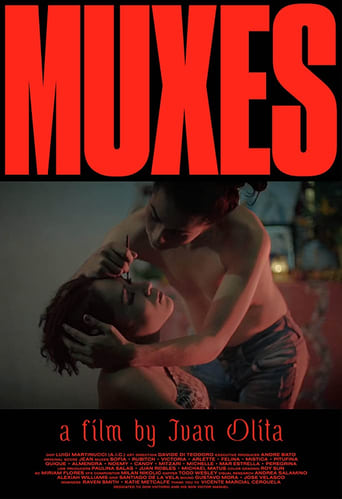
In the indigenous communities around the town of Juchitán, the world is not divided simply into males and females. The local Zapotec people have made room for a third category, which they call “muxes” - men who consider themselves women and live in a socially sanctioned limbo between the two genders.
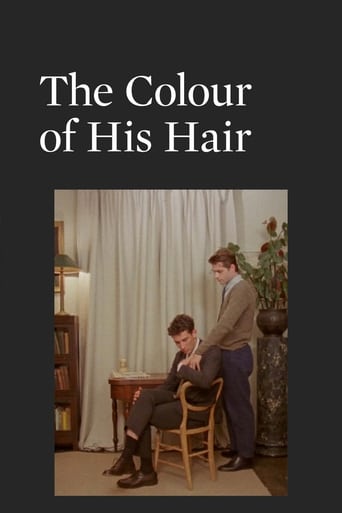
Based on an unrealized film script written in 1964 for The Homosexual Law Reform Society, a British organisation that campaigned for the decriminalization of homosexual relations between men, "The Colour Of His Hair" merges drama and documentary into a meditation on queer life before and after the partial legalization of homosexuality in 1967.