

The Concavenator Valley
Documentary
Overview
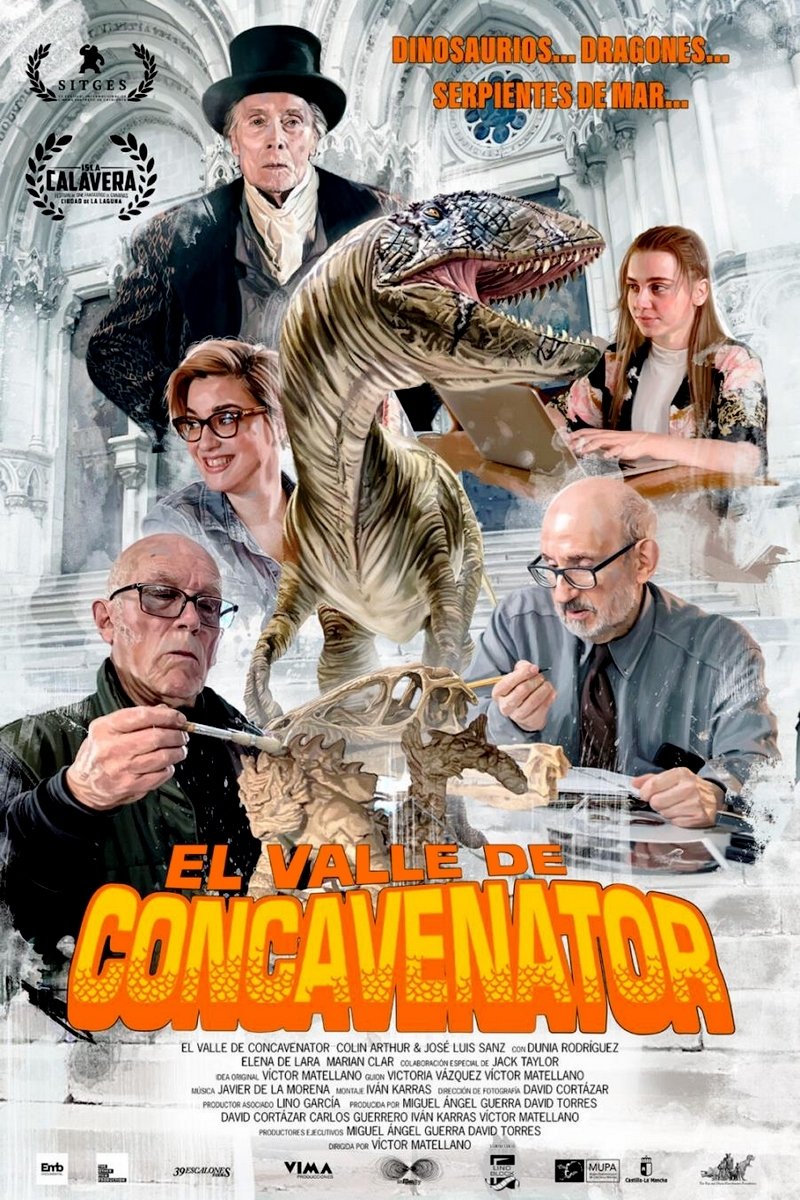
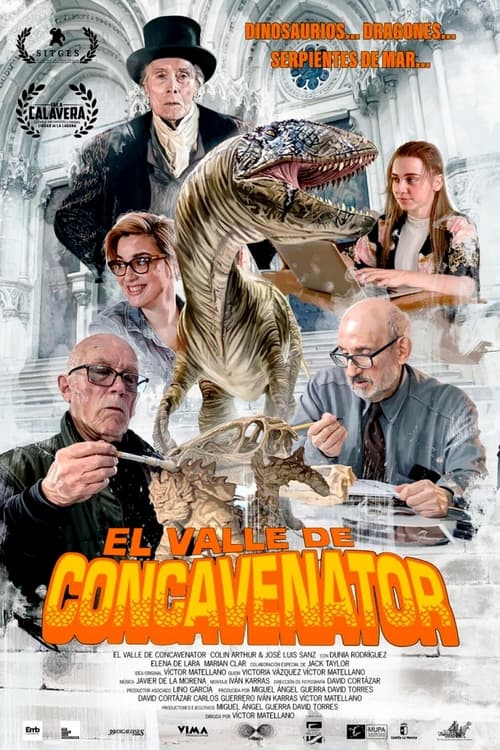
Three researchers work on a paleontological project focusing on two dinosaurs: one fictional, the one created by special effects genius Ray Harryhausen for the film The Valley of Gwangi (1969); the other real, the Concavenator corcovatus, whose remains were discovered in 2003 at the Las Hoyas site, in the province of Cuenca (Spain), very close to where the filming took place.










Dunia Rodríguez
Dunia Rodríguez
Dunia Rodríguez

Elena de Lara
Elena de Lara
Elena de Lara
Marian Clar
Marian Clar
Marian Clar
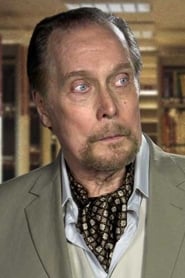
Jack Taylor
Jack Taylor
Jack Taylor
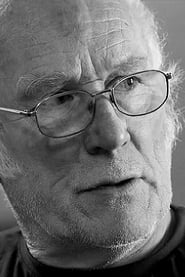
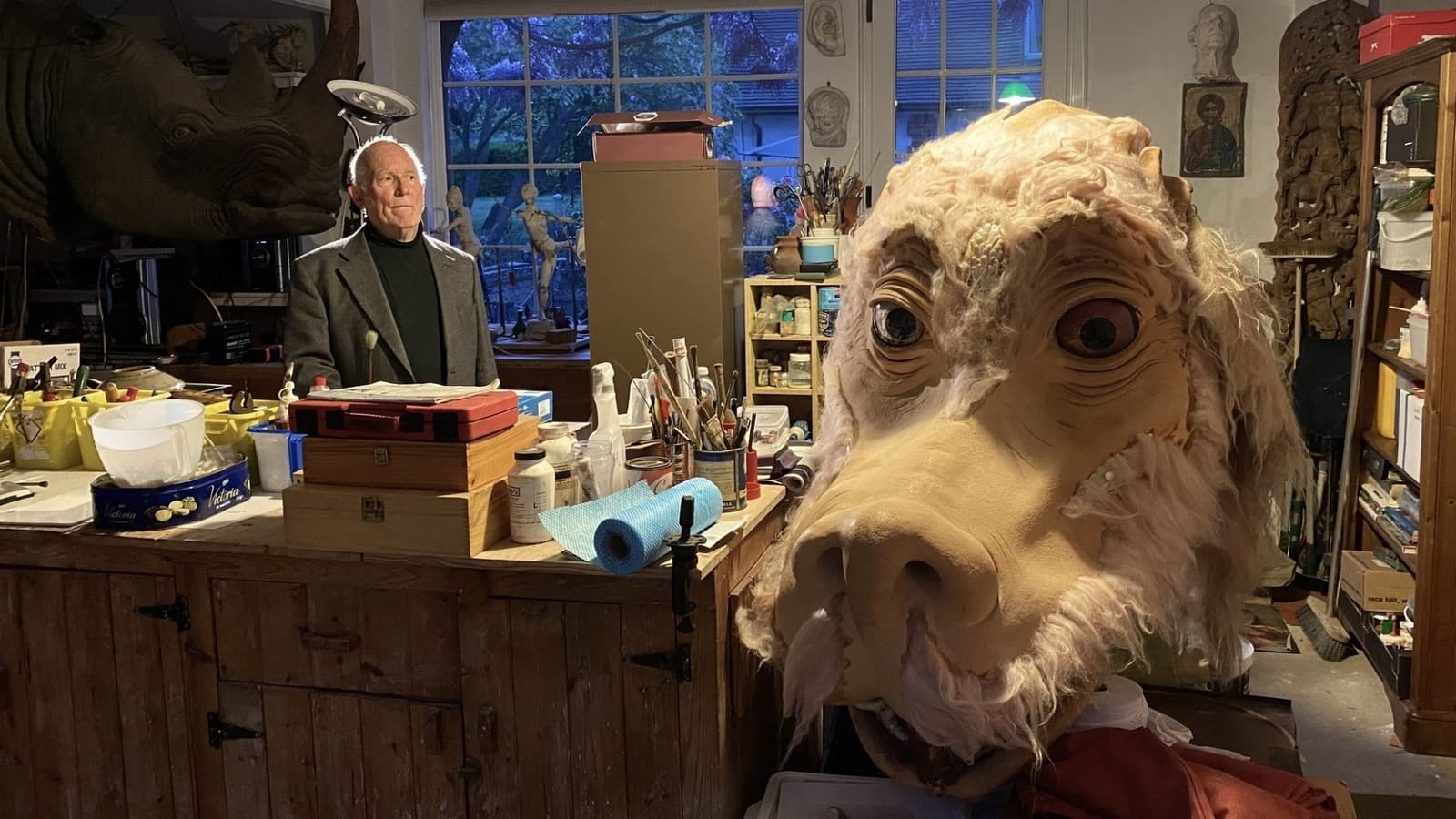
Colin Arthur
Colin Arthur
Self - Special Effects Makeup Artist
Colin Arthur
Self - Special Effects Makeup Artist
José Luis Sanz
José Luis Sanz
Self - Paleontologist
José Luis Sanz
Self - Paleontologist
Similar Movies

A tribute to a fascinating film shot by Alfred Hitchcock in 1958, starring James Stewart and Kim Novak, and to the city of San Francisco, California, where the magic was created; but also a challenge: how to pay homage to a masterpiece without using its footage; how to do it simply by gathering images from various sources, all of them haunted by the curse of a mysterious green fog that seems to cause irrepressible vertigo…

Hygienic habits are as old as the various human civilizations; but each era establishes its own customs: whether private or public, everywhere and at all times, methods of personal cleanliness have depended on cultural conventions, religious morals, political ideologies and economic interests; because the control of basic hygiene has also been and is one more tool in the infinite exercise of power over the masses.
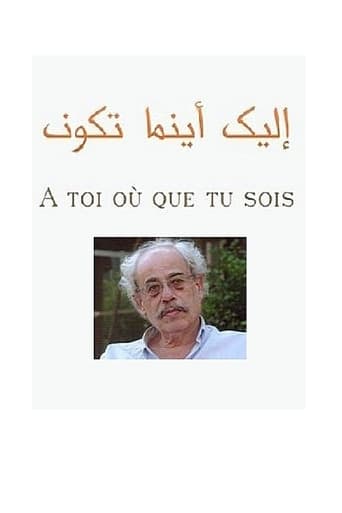
After “Letter From a Time of Exile”, the director is back in Lebanon where he discovers that his dreams about his country are an illusion and that the exile in your homeland is by far the worst exile. Programmer's Note: Borhane Alaouié returns to Beirut from his exile. His documentary film constitutes a new letter at the start of the 21st century in reply to the letters of the 1980s. The reconstruction process appears to affect stones more than people.