

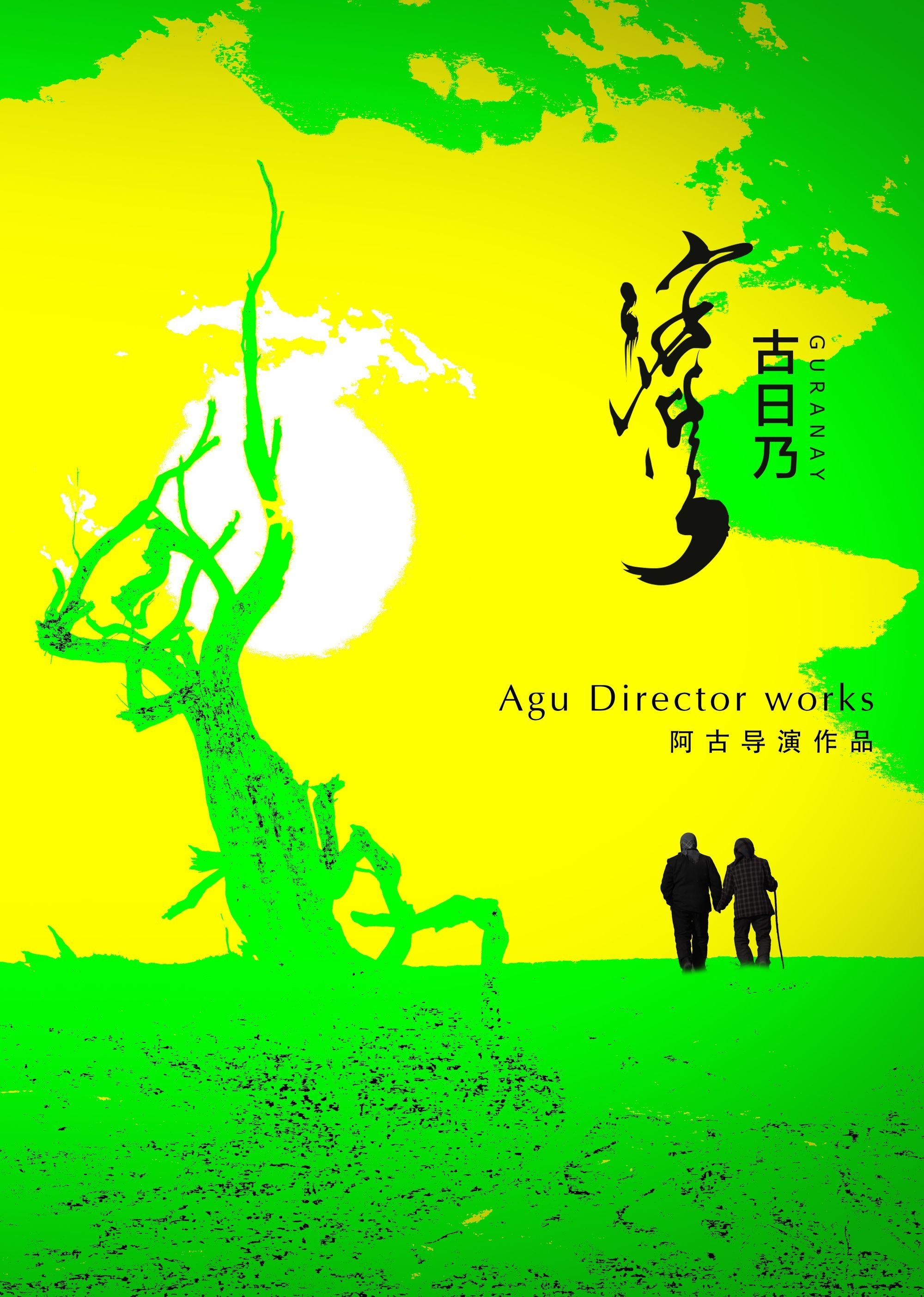
Guranay
Documentary
Overview
This film is a realistic record of a sixty-year-old couple living in a remote village (Gurenay) in the Badain Jaran Desert of Alashan, Inner Mongolia plant thousands of mu of ammodendron and euphratica to fight against expanding deserts.








No cast information.
Similar Movies

"Go Further" explores the idea that the single individual is the key to large-scale transformational change. The film follows actor Woody Harrelson as he takes a small group of friends on a bio-fueled bus-ride down the Pacific Coast Highway. Their goal? To show the people they encounter that there are viable alternatives.
Filmed over three years on China’s railways, The Iron Ministry traces the vast interiors of a country on the move: flesh and metal, clangs and squeals, light and dark, and language and gesture. Scores of rail journeys come together into one, capturing the thrills and anxieties of social and technological transformation. The Iron Ministry immerses audiences in fleeting relationships and uneasy encounters between humans and machines on what will soon be the world’s largest railway network.
Explore the 1928 collapse of the St. Francis Dam, the second deadliest disaster in California history. A colossal engineering and human failure, the dam was built by William Mulholland, a self-taught engineer who ensured the growth of Los Angeles by bringing the city water via aqueduct. The catastrophe killed more than 400 people and destroyed millions of dollars of property.

From the moment David Brower first laid eyes on the beauty of the Yosemite Valley, he wanted to the fight to preserve the American wilderness for future generations. The story of a true American legend, Monumental documents the life of this outdoorsman, filmmaker and environmental crusader, whose fiery dedication and activism not only saved the Grand Canyon (among other accomplishments) but also transformed the Sierra Club into a powerful national political force, giving birth to the modern environmental movement. Seen through Brower's own eyes - he was an accomplished filmmaker, and his stunning footage is included here-- a 1956 raft trip down Glen Canyon, before its damming, evokes the awful sadness of losing public land we've failed to protect. And in period footage of Brower's early rock-climbs (done in sneakers, with hemp ropes) and of his training in the 10th Mountain Division (who defeated the Nazis in the high Alps).
Twenty-Five miles from town, a million miles from mainstream society, a loose-knit community of eco-pioneers, teenage runaways, war veterans and drop-outs, live on the fringe and off the grid, struggling to survive with little food, less water and no electricity, as they cling to their unique vision of the American dream.
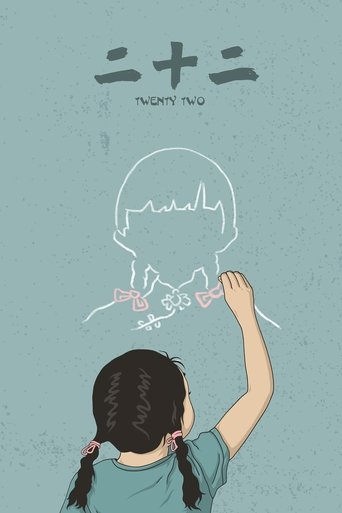
Follow the lives of the elderly survivors who were forced into sex slavery as “Comfort Women” by the Japanese during World War II. At the time of filming, only 22 of these women were still alive to tell their story. Through their own personal histories and perspectives, they tell a tale that should never be forgotten to generations unaware of the brutalization that occurred.

For the fourth episode of the original series “Young Masters”, NOWNESS CHINA travelled north to the barren and cold expanse of the Hulunbuir Grasslands in October 2022. There, the team met Angchinhuu, a budding horse trainer in her sophomore year of junior high. Described as a “girl like the wind”, Angchinhuu possesses qualities that are typical of teenage girls everywhere: she is restless, daydreams, and is hopeful. She is also exceptionally determined to carry on her family’s profession of training horses amidst the unforgiving grasslands, a remote terrain marked by severe weather conditions.
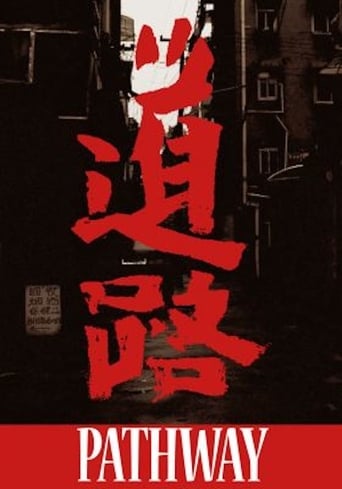
Xu Xin’s film “Dao Lu” (China 2012) offers an exclusive “in camera” encounter with Zheng Yan, an 83 year-old veteran of the Chinese Red Army, who calmly relates how he has navigated his country’s turbulent history over three-quarters of a century.Born to a wealthy family in a foreign concession, Yan joined the Chinese Communist Party (CCP) in 1941 because he sincerely believed in the socialist project, and in its immediate capacity to free China from the Japanese yoke and eradicate deep-rooted corruption.